
When choosing the best supplements for athletic performance, focus on science, not marketing hype. To build an effective strategy, you need to select proven compounds tailored to your specific goals. This guide will show you exactly how to do that, focusing on actionable steps for using key supplements like creatine for strength, caffeine for focus, and beta-alanine for endurance.
Your Blueprint for Peak Athletic Performance
Stepping into the world of sports nutrition can feel like a minefield. Countless products promise incredible results, but only a handful have solid scientific evidence backing them up.
The first step is to get clear on your goals. Do you want to add more weight to your squat, push through the wall on a long run, or simply recover faster between sessions?
This guide cuts through the noise. We'll focus on evidence-based choices to help you build a routine that delivers. Instead of a one-size-fits-all list, you’ll learn how to pick supplements that match your unique athletic needs, ensuring every choice you make is a step forward.
A Framework for Success
Before adding any supplements, get your foundation right. Supplements are exactly that—supplementary. They enhance a solid training and nutrition plan, not replace it. To get that base sorted, use our guide on a nutrition plan for athletes as your starting point.
Once your core habits are locked in, you can strategically add supplements to fill gaps and gain a competitive edge.
This visual guide breaks down the key areas where the right supplements can have a major impact on your performance.

As you can see, different supplements have very different jobs. Some are for powering explosive movements, while others are geared towards sustaining endurance or speeding up muscle repair so you can get back to training sooner.
A successful supplementation strategy is built, not bought. It requires understanding your body, defining your objectives, and methodically introducing proven ingredients one at a time to measure their true impact. This patient, personalised approach yields far greater results than chasing quick fixes.
The goal is to move past guesswork and build a system that works for you. By zeroing in on compounds with a proven track record, you can invest in your athletic development with confidence and see measurable improvements. This blueprint will walk you through that process.
The Foundational Trio for Every Athlete
When building a house, you start with a rock-solid foundation. The same thinking applies to your supplement strategy. Lock in the compounds that offer the most reliable, scientifically-proven benefits before adding anything else.
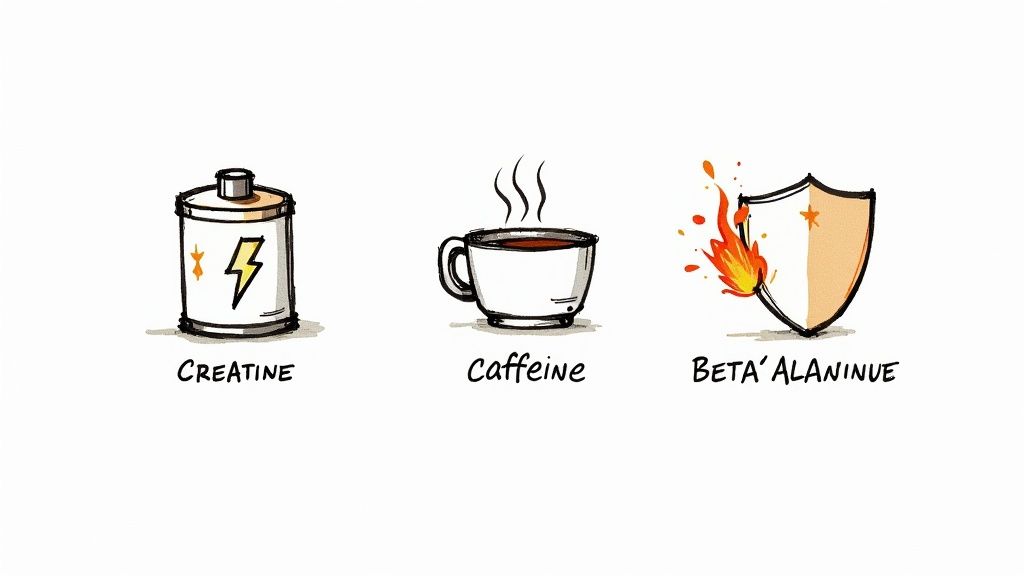
That's where this foundational trio comes in: Creatine, Caffeine, and Beta-Alanine. Think of them as the bedrock of any serious athlete's supplement plan. Each one works differently, but together they create a powerful synergy that helps you lift heavier, push further, and train longer. Let’s break down how to use them.
Creatine Monohydrate: The Muscle Energy Recharger
Picture your muscles having tiny, rechargeable battery packs that provide instant power for explosive movements like a heavy squat or a sprint. This energy is called ATP, and during intense effort, those batteries drain fast. Creatine monohydrate acts as a super-fast charging station, helping your body rapidly rebuild its ATP stores. This lets you squeeze out those crucial extra reps that drive muscle and strength gains. This isn't just theory; it's one of the most heavily researched sports supplements on the planet.
Creatine doesn’t make you feel energised like a stimulant. It's a direct fuel source that powers muscle contraction, extending your capacity for high-intensity work.
Here's your action plan for creatine:
- Dose: Take 3-5 grams of creatine monohydrate daily.
- Consistency: Forget complicated loading phases. Consistent daily intake is what truly matters.
- Timing: Mix it into water, juice, or your protein shake. The time of day doesn't matter, so choose whatever is most convenient for you.
Caffeine: The Central Nervous System Accelerator
If creatine recharges the muscles, caffeine turbocharges the mind. It’s a central nervous system stimulant, but its real magic for performance is how it changes your perception of effort. It works by blocking the chemical messengers in your brain that signal fatigue. This makes a brutal workout feel more manageable, allowing you to push closer to your true physical limits and improve endurance, focus, and power output.
Actionable Dosing and Timing:
- Calculate Your Dose: The sweet spot is 3-6 milligrams per kilogram of body weight. For a 70kg (around 154lb) athlete, this means 210mg to 420mg.
- Time It Right: Take it 30-60 minutes before your workout so it’s at its peak when you need it most.
- Choose Your Source: Coffee, tea, or dedicated caffeine pills and pre-workouts are all effective options.
- Avoid Tolerance: Be mindful of your total daily intake. Using high doses all the time can lead to tolerance, reducing its performance-enhancing effect over time. Consider cycling it or saving it for your toughest sessions.
Beta-Alanine: The Lactic Acid Buffer
That intense burning sensation in your muscles during the last few reps is caused by a build-up of hydrogen ions, which makes your muscles acidic and leads to fatigue. Beta-alanine is your weapon against this burn. It helps your body produce carnosine, a compound that acts like a buffer, soaking up those acidic ions. It neutralises the burn so you can maintain high-intensity effort for longer, making it a game-changer for activities lasting one to four minutes like high-rep weight training or CrossFit.
Effective Implementation Plan:
- Daily Dose: Aim for 3.2 to 6.4 grams per day.
- Split It Up: Beta-alanine can cause a harmless tingling feeling (paraesthesia). To minimise this, split your daily amount into two or three smaller doses throughout the day.
- Be Patient: Unlike caffeine, beta-alanine needs to build up in your muscles. Take it consistently every day for about four weeks to experience the full benefits.
The demand for effective supplements like these is soaring. In the UK, the sports nutrition market hit £1.1 billion in 2023 and is expected to reach over £2 billion by 2030. This growth is driven by greater interest in both competitive sport and general fitness, with staples like creatine and protein leading the way.
Of course, supplements are just one piece of the puzzle. They are designed to supplement a solid diet, not replace it. For instance, for vegan athletes, knowing how to get more protein as a vegan is absolutely essential for muscle repair and growth.
By mastering this foundational trio, you give yourself a significant, science-backed advantage to build the rest of your performance strategy on.
Boosting Endurance and Accelerating Recovery
Beyond the foundational trio, pushing your performance means mastering two other key areas: sustaining your effort longer and repairing your body properly. Going hard in a session is only half the story; how well you recover dictates your consistency and long-term gains.
This is where nitrates and high-quality protein come in. They work in different ways, but both are crucial for enhancing endurance and speeding up the recovery cycle. Think of them as the support crew that keeps your engine running smoothly and gets it ready for the next race.
Nitrates: The Ultimate Blood Flow Enhancer
Picture your blood vessels as a network of motorways delivering oxygen and nutrients to your muscles. During intense exercise, these motorways can get congested. Nitrates, found in foods like beetroot, act as powerful vasodilators—they widen these motorways. This allows more blood to flow through, meaning more oxygen and vital nutrients can reach your muscles faster. Your body becomes more efficient, producing the same amount of power with less oxygen, which helps delay fatigue and boost endurance.
For a deeper dive, check out our detailed guide on the top supplements for endurance.
Practical Steps for Using Nitrates:
- Choose Your Source: Concentrated beetroot juice shots are the easiest and most effective way to get your dose.
- Get the Right Dosage: Aim for 300-600mg of dietary nitrates. This is typically one or two 70ml beetroot shots.
- Time Your Intake: Take your dose 2-3 hours before you train or compete. This gives your body time to convert the nitrates into nitric oxide.
It’s a simple addition that can be a game-changer for anyone in endurance sports like running, cycling, or swimming.
Protein: The Master of Muscle Repair
Protein's role in performance is much bigger than just building muscle. Every time you train, you create tiny tears in your muscle fibres. Protein provides the essential building blocks—amino acids—that your body uses to repair this damage, making the muscle stronger and more resilient. It is also vital for supporting your immune system, producing hormones, and creating energy-producing enzymes. Skimping on protein is like asking a construction crew to rebuild a wall without giving them any bricks.
Protein’s job isn't just to build; it's to rebuild. Consistent, adequate intake is the non-negotiable foundation of recovery, turning the stress of today's workout into tomorrow's strength.
The boom in protein supplements shows just how crucial they are. The UK sports nutrition market, currently valued at around USD 1.08 billion, is expected to skyrocket to nearly USD 2.5 billion by 2035. This growth is driven by the demand for effective recovery aids like protein powders, which athletes rely on to stay at the top of their game.
How to Choose and Time Your Protein Intake
Not all protein is created equal. Knowing the difference helps you get the maximum benefit. Follow these steps to optimise your protein strategy.
Comparing Common Protein Sources:
| Protein Type | Digestion Speed | Best For |
|---|---|---|
| Whey | Fast | Immediately post-workout to kick-start the recovery process. |
| Casein | Slow | Before bed, to provide a steady release of amino acids overnight. |
| Plant-Based | Varies | Vegans or those with dairy sensitivities. Look for blends (e.g., pea and rice) for a complete amino acid profile. |
Actionable Steps for Protein Intake:
- Post-Workout: Consume 20-40 grams of high-quality protein within two hours of finishing your workout. A fast-digesting whey protein shake is ideal here.
- Daily Total: More importantly, aim for 1.6-2.2 grams of protein per kilogram of body weight each day.
- Spread It Out: Distribute your total protein intake across several meals to keep your muscles in a constant state of repair.
To take your recovery to the next level, pair your supplements with some of the best anti-inflammatory foods. When you combine smart supplementation with a nutrient-rich diet, you create a powerful strategy for long-term athletic success.
Using Adaptogens to Build Natural Resilience

Real athletic performance isn't just about the numbers you hit in the gym. It’s about how well you bounce back from the strain of daily training.
Intense training is a massive physical stressor. If your body can’t adapt, you’re on a fast track to burnout, poor recovery, and hitting a plateau. This is where a class of natural compounds called adaptogens comes in. Think of adaptogens as your body's personal stress thermostat. They help your system become more efficient at responding to physical, mental, and environmental pressures, laying a solid foundation for handling tougher training and faster recovery.
We'll focus on two of the most respected adaptogens for athletes: Ashwagandha and Shilajit.
Ashwagandha: The Stress Regulator
When you finish a tough workout, your body releases the stress hormone, cortisol. A little is normal, but chronically high levels are an athlete’s enemy, getting in the way of muscle growth, wrecking sleep, and slowing recovery. Ashwagandha acts as a 'stress regulator', helping to manage your body's stress response by dialing down excessive cortisol levels. By keeping cortisol in check, ashwagandha creates a better environment for recovery and growth, meaning your body spends more time in an anabolic (building up) state and less in a catabolic (breaking down) one.
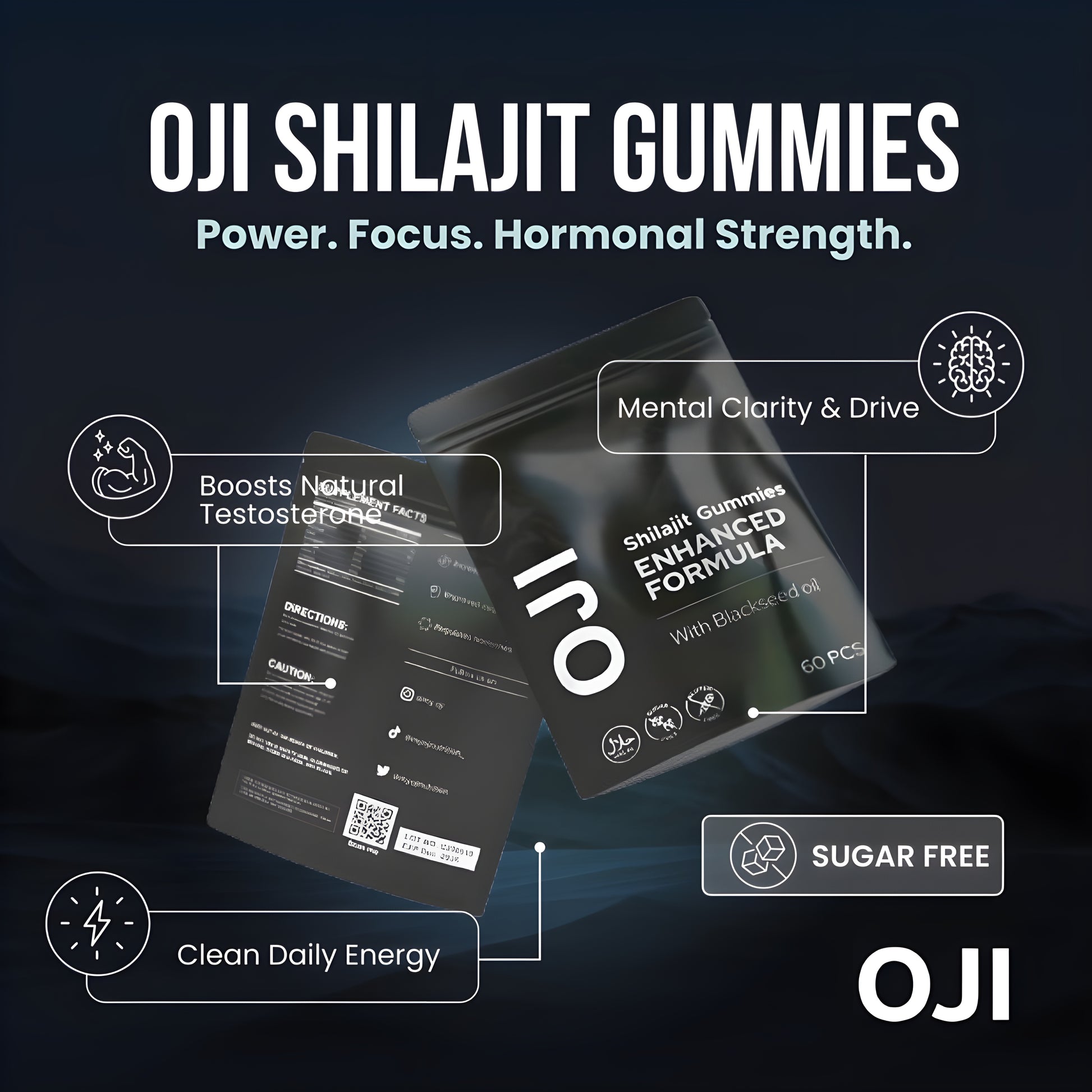
Oji Shilajit: The Cellular Energiser
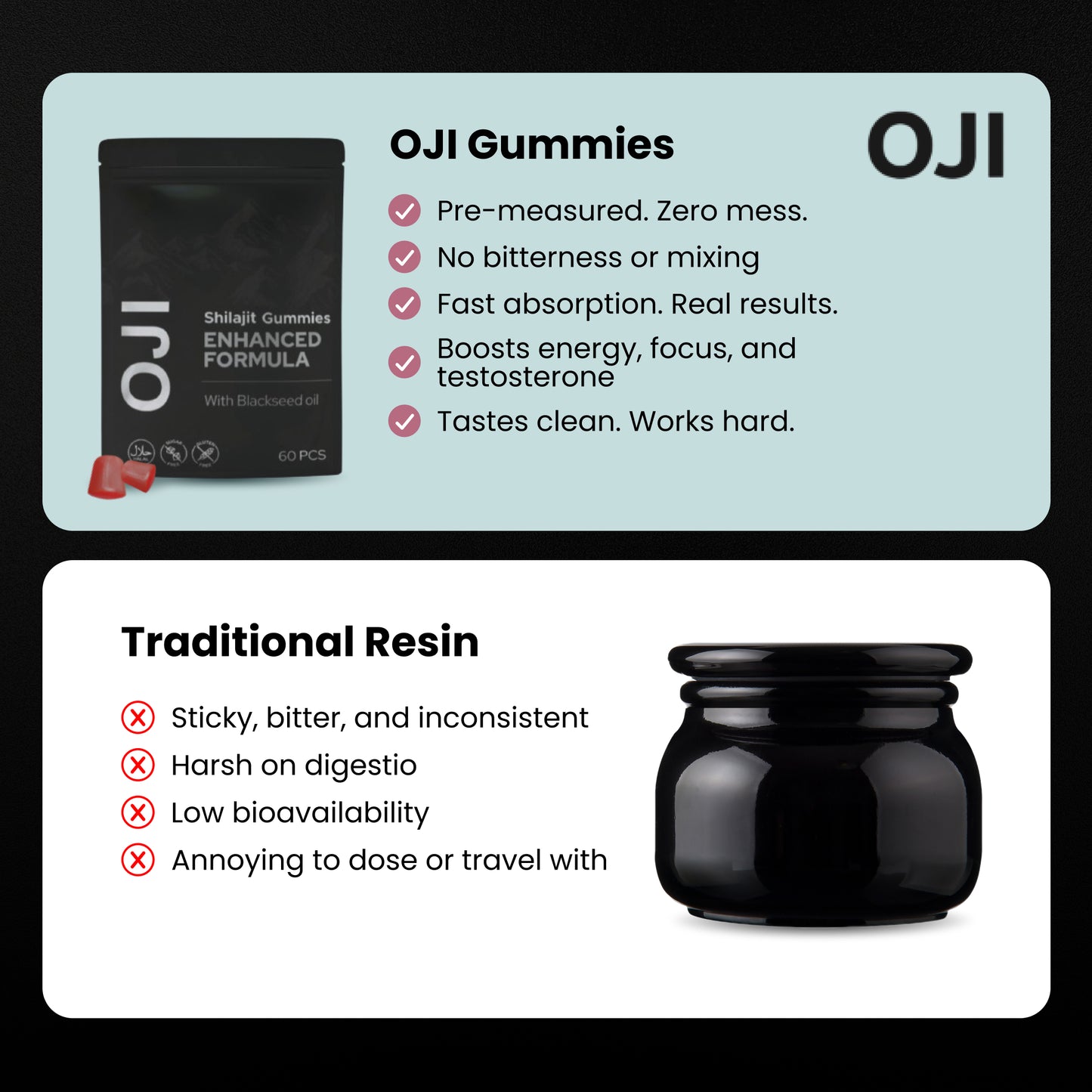
While ashwagandha handles the hormonal side of stress, Shilajit works at a deeper level—inside your cells. Shilajit is a potent, mineral-rich resin used for centuries to boost energy and vitality. Its power lies in its high concentration of fulvic acid and over 85 trace minerals. Fulvic acid helps shuttle these vital minerals directly into your cells, which is essential for supporting your mitochondria—the tiny powerhouses inside every cell responsible for producing energy (ATP).
Think of your mitochondria as tiny engines. Shilajit, packed with fulvic acid and trace minerals, is the high-octane fuel and premium oil that helps them run more efficiently, produce more power, and stay protected from damage.
By optimising mitochondrial function, Oji Shilajit helps boost your baseline energy levels. This isn't a short-lived stimulant buzz; it's about improving your body's own energy-making machinery for better stamina and less fatigue. For a deeper dive, our article on adaptogens for energy explains more.
Integrating Adaptogens Into Your Routine
Bringing these two powerful adaptogens into your routine gives you a two-pronged attack on building resilience. Ashwagandha manages top-down stress from your brain and hormones, while Shilajit builds energy and strength from the bottom-up, at a cellular level.
Actionable Steps for Integration:
- Time Your Ashwagandha: Take ashwagandha in the evening. Since it helps regulate cortisol and promotes calm, it can improve sleep quality—which is when most recovery happens.
- Time Your Shilajit: Take Oji Shilajit in the morning to support cellular energy throughout the day. This can help you feel more energised for your day and workout, without a stimulant crash.
- Stay Consistent: Adaptogens don't work overnight. Their benefits build over time as they help your body rebalance and strengthen itself. Use them consistently every day for several weeks to feel the full effects.
By adding adaptogens, you're not just chasing a quick performance boost. You're investing in a more resilient, balanced, and robust system that can handle the demands of hard training.
How to Build Your Personalised Supplement Stack
Forget generic, pre-made supplement lists. The best stacks aren’t bought; they’re built, piece by piece, to match your specific sport, goals, and body. A powerlifter’s needs are a world away from a marathon runner’s, so a one-size-fits-all approach is a waste of money.
Building your own stack is about figuring out what your body truly needs to perform at its peak and then choosing the right tools for the job. This creates a focused, effective routine that pushes you forward.
Stacks for Different Athletic Profiles
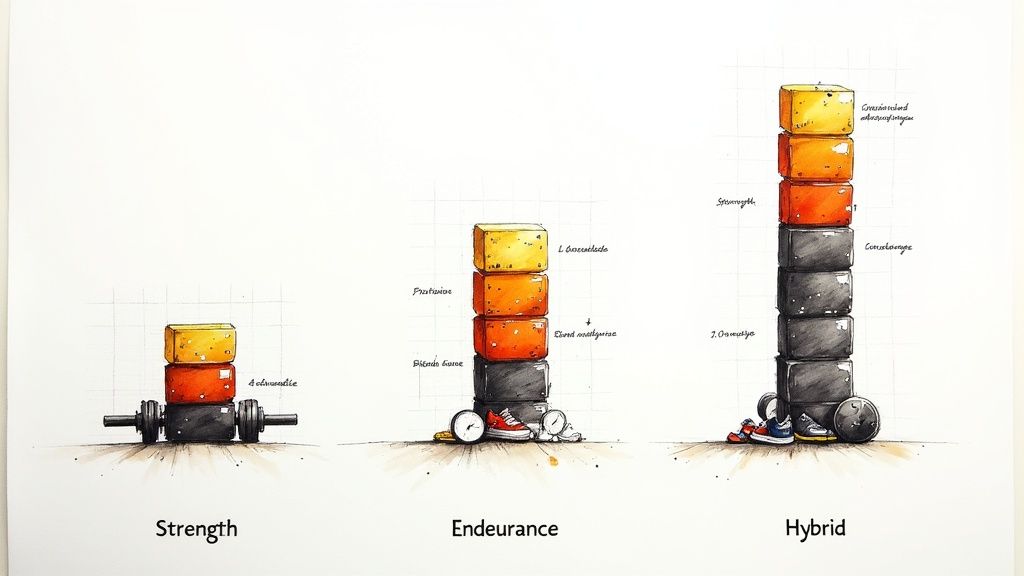
Your sport dictates the demands on your body. Understanding those demands is the first step to a smarter supplement plan. Here are three common athlete profiles and the foundational stacks that make sense for them.
-
The Strength Athlete (Powerlifter, Sprinter, Bodybuilder): The goal is to maximise power, build muscle, and fuel short, explosive bursts of energy while kickstarting muscle repair.
- Core Stack: Creatine Monohydrate (for raw power) and high-quality Protein (for muscle repair and growth).
- Secondary Additions: Beta-Alanine (to push through high-rep sets) and Caffeine (for mental edge and focus).
-
The Endurance Athlete (Marathon Runner, Cyclist, Swimmer): Performance is about aerobic efficiency and delaying fatigue. Your strategy must support oxygen delivery and sustained energy output.
- Core Stack: Nitrates (from beetroot juice, to improve blood flow and oxygen use) and Beta-Alanine (to buffer lactic acid).
- Secondary Additions: Caffeine (to make long distances feel less gruelling) and Electrolytes (for hydration).
-
The Hybrid Athlete (CrossFit, Team Sports, MMA): These athletes need strength, power, and endurance. The stack must be well-rounded, supporting both explosive moves and cardio while promoting rapid recovery.
- Core Stack: Creatine Monohydrate (for power), Beta-Alanine (for high-intensity endurance), and Protein (for recovery).
- Secondary Additions: Oji Shilajit (to support cellular energy and resilience) and Nitrates (for better blood flow).
The Methodical Approach to Testing Supplements
Once you've picked a supplement, you must test it properly. Never throw multiple new things into your routine at once. If you do, you’ll have no idea what’s actually working—or what’s causing a problem.
A supplement is only a good investment if it works for you. The only way to know for sure is to test it in isolation and measure the impact. This turns pure guesswork into a smart, data-driven decision.
Follow this simple, three-step process to test any new supplement safely and effectively:
-
Introduce One Supplement at a Time: Choose one supplement. Add it to your current routine and keep everything else—your training, diet, and sleep—exactly the same for at least four to six weeks.
-
Track Key Performance Indicators (KPIs): Before you start, decide what you want to improve. Testing creatine? Track reps and weight on your big lifts. Trying nitrates? Monitor your times or power output during cardio. Keep a detailed log.
-
Assess and Decide: After the testing period, look at your data. Did you see a real, measurable improvement beyond your usual progress? If yes, keep it in your stack. If not, it might not be for you, and you can move on to testing the next item on your list.
Got Questions About Performance Supplements? We've Got Answers
Even with a solid routine, questions pop up. Diving into supplements can feel overwhelming, with talk about safety, effectiveness, and whether you really need them. Let's clear up the most common queries so you can make your choices with confidence.
Are These Supplements Safe to Take Long-Term?
The answer depends on the compound. Some, like creatine monohydrate, have been studied for decades and are considered safe for ongoing use by healthy people who stick to the recommended dose. Others, particularly stimulants like caffeine, are different. You may need to cycle caffeine—taking planned breaks—to prevent your body from building a tolerance, which would reduce its effectiveness.
Action Step: Always look for reputable brands that use third-party testing. This ensures that what's on the label is in the bottle. It's also smart to speak with a healthcare professional before adding something new to your regimen.
How Do I Know if a Supplement Is Actually Working for Me?
Figuring out if a new supplement is making a difference requires more than a "gut feeling." You need a clear plan to see its true impact.
Your Action Plan:
- Introduce one new supplement at a time. Give it a trial period of at least 4-6 weeks before making a decision.
- Track the right metrics. If you’re trying beta-alanine, log how long you can push through high-intensity bursts. For creatine, note your reps and lifting weight.
- Analyze the numbers. If you see a clear improvement beyond your typical progress, you've likely found something that works for you.
Can’t I Just Get Everything I Need From My Diet?
A 'food-first' approach should always be your foundation. Nothing can replace the nutrients you get from whole foods. However, for athletes pushing their limits, getting the optimal amount of certain compounds from food alone isn't realistic. To get the standard 5-gram dose of creatine, for example, you'd have to eat more than a kilogram of red meat every day.
Supplements aren’t meant to replace a good diet. They are specific tools designed to fill gaps and give you that extra edge, helping you take your performance to the next level.
Ready to build resilience from the inside out? Oji Shilajit gummies provide a powerful, convenient way to support your cellular energy and manage the stress of intense training. Visit https://myoji.co.uk to discover how you can enhance your recovery and performance.