
If you're searching for a single best vitamin for hormone imbalance, it's time to shift your strategy. Lasting hormonal harmony doesn't come from one hero nutrient. Instead, you need a team of essential vitamins and minerals working together. To start taking action, focus on foundational nutrients like Vitamin D, B vitamins, and Magnesium to help your body manage everything from stress to your energy levels.
Getting to Know Your Hormonal Blueprint
Picture your hormones as a communication network. They send messages that dictate your mood, metabolism, and sleep. When a signal goes wrong, it can cause fatigue, brain fog, or unexplained weight changes. Targeted nutrition is your most powerful tool for getting this system back on track.
If this sounds familiar, you're not alone. Hormonal issues are incredibly common but often misdiagnosed. It's a massive health concern in the UK, where over 52% of adults are navigating imbalances involving cortisol, oestrogen, and thyroid hormones. You can read more about what's being called the UK's hormonal health crisis at wecovr.com.
This image gives a great visual breakdown of the powerful link between common hormonal struggles and specific nutrient gaps.
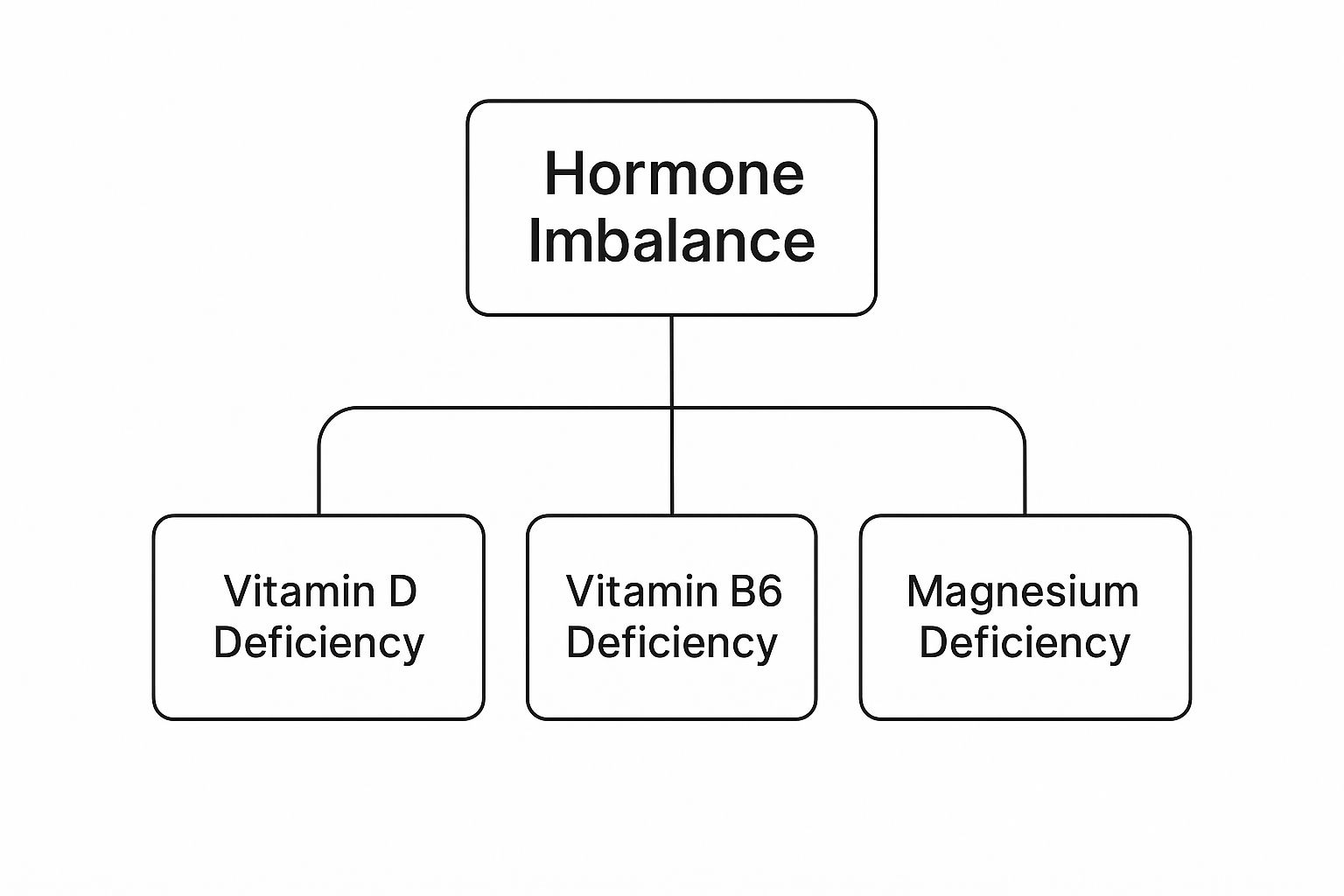
As you can see, shortfalls in Vitamin D, B6, and Magnesium are directly tied to overall hormone imbalance, making them the perfect place to start your nutritional support journey.
The Bedrock Nutrients for Balance
To regain control, your first step is to give your body the raw materials it needs. Certain vitamins and minerals are non-negotiable for a healthy endocrine system. They are the building blocks for your hormones and the essential helpers that allow them to function properly.
The most effective strategy isn't chasing a single magic pill. It’s about supplying your body with a combination of nutrients that supports the entire hormonal process—from production all the way through to detoxification.
So, what actionable steps can you take? Focus on nutrients that deliver the biggest impact:
- For Stress Management: Use nutrients like Magnesium and B vitamins to help your body manage cortisol, your main stress hormone.
- For Energy & Metabolism: Incorporate B vitamins and zinc to convert food into usable energy and support thyroid function.
- For Mood & Sleep: Prioritise Vitamin D and Magnesium to help create mood-boosting neurotransmitters and promote deep, restorative sleep.
By focusing on these foundational nutrients first, you create an internal environment where your hormones can finally work as they should. In the next sections, we'll take a closer look at each of these powerhouses.
Unpacking the Powerhouse Vitamins for Your Hormones

While it's tempting to find one "best" vitamin for hormone imbalance, your body needs a team of nutrients working together. Think of it like an orchestra—for the music to sound right, every instrument must play its part.
Let's explore the key vitamins that act as conductors for your hormonal symphony. We'll start with the "sunshine vitamin," a prohormone your body converts into a hormone, making it a cornerstone of your endocrine health.
Vitamin D: The Sunshine Prohormone
Vitamin D is essential for clear hormonal communication. It helps regulate insulin, supports thyroid function, and is vital for producing sex hormones. In the UK, getting enough sun to produce it naturally is a challenge, especially in darker months.
Deficiency rates are as high as 40-50% among adults in the UK during autumn and winter. This matters because Vitamin D directly influences glands like the parathyroid and adrenals, affecting the balance of countless hormones.
Think of Vitamin D as the master key that unlocks proper communication between your endocrine glands. Without it, important hormonal messages get lost, which can show up as fatigue, low mood, and a struggling immune system.
If you feel drained or your mood drops when the days get shorter, a lack of Vitamin D could be why. The most practical first step is to consider a high-quality Vitamin D supplement, especially from October to March, to get your levels right and find your balance again.
B Vitamins: The Hormonal Management Team
If Vitamin D is the master key, then B vitamins are the management team that keeps the hormonal factory running smoothly. This group, especially B6, B12, and Folate (B9), handles critical jobs that directly affect how you feel day-to-day.
They are ultimate multitaskers, and one of their most important roles is supporting your liver. Your liver clears out used hormones, like oestrogen. Without enough B vitamins, this process can become sluggish, leading to a hormonal backup that contributes to PMS and mood swings.
To take action, add B-vitamin-rich foods like leafy greens, eggs, and lean meats to your diet. B vitamins are also crucial for creating mood-governing neurotransmitters like serotonin and dopamine and are powerhouses for converting food into fuel to fight fatigue.
B vitamins also help you manage stress by regulating the adrenal glands. For more practical steps, our guide on natural ways to reduce cortisol offers excellent strategies for managing stress.
Tapping into Essential Minerals for Endocrine Health
Vitamins can't work without their crucial partners: minerals. If vitamins are the workers, minerals are the raw materials they need to build anything. Without a good supply of minerals, your body’s hormonal assembly line can grind to a halt.
These unsung heroes are fundamental to your endocrine system. Let's dig into the three most important minerals for hormonal stability and what you can do to put them to work.
Magnesium: The Ultimate Calming Mineral
Magnesium is often called the 'calming mineral' because it helps manage your body's stress-response system. It keeps the stress hormone cortisol in check by soothing the nervous system and stopping your adrenal glands from going into overdrive.
The problem is, chronic stress depletes magnesium, creating a cycle where low magnesium leads to higher stress. This can leave you feeling on edge and struggling with poor sleep.
Think of having enough magnesium as having a dimmer switch for your stress. It allows you to dial down the intensity, promoting a sense of calm and paving the way for deep, restorative sleep—which is completely non-negotiable for hormone balance.
To take action, start eating more magnesium-rich foods like leafy greens, nuts, seeds, and dark chocolate. Another great step is to take a warm Epsom salt bath before bed; this helps you absorb magnesium through your skin while relaxing your muscles.
Zinc for Thyroid and Reproductive Health
Zinc is a powerhouse mineral for countless hormonal processes, especially those tied to your thyroid and reproductive health. Your thyroid gland relies on zinc to produce its hormones. A small shortfall can slow your thyroid down, leading to fatigue and weight gain.
This mineral is also vital for keeping reproductive hormones in balance, regulating the menstrual cycle in women and supporting healthy testosterone production in men.
How can you take action?
- Be aware of deficiency signs: a weak immune system, slow wound healing, or hair loss.
- Get your levels up by eating foods like shellfish (oysters are a superstar), red meat, pumpkin seeds, and lentils.
- Since your body doesn't store zinc, make it a goal to include a small amount in your diet every day for consistency.
Selenium: The Thyroid Activator
Selenium and zinc are a team for thyroid support. If zinc helps build the hormones, selenium is the key that starts the engine. Your body produces thyroid hormones in an inactive form, and selenium 'activates' them to manage your energy and metabolism.
Without enough selenium, this conversion stalls, leaving you feeling sluggish. Selenium also acts as a potent antioxidant, protecting the thyroid gland from damage.
For a simple, actionable step, eat just one or two Brazil nuts per day to cover your daily needs. Other great sources include fatty fish like tuna and sardines, eggs, and sunflower seeds. Focusing on these minerals is a practical, powerful step toward finding the best support for hormone imbalance.
How to Choose a High-Quality Hormone Support Supplement
 Walking into the supplement aisle can be overwhelming. To pick the right product, you need to know how to spot genuinely effective supplements.
Think of it like cooking. You wouldn't use poor-quality ingredients and expect a vibrant meal. The same applies here; the quality and form of the nutrients you take will directly shape the results.
This practical checklist will help you feel more confident. It's about looking past the marketing and learning to read a label like an expert, so you can invest in your health wisely.
Decode the Label for Better Results
Not all vitamins are created equal. The most crucial concept to understand is bioavailability – how well your body can absorb and use a nutrient. A supplement is useless if it passes straight through you.
Here's what to look for: "active" or "chelated" forms of nutrients on the label. These are versions your body can use straight away.
For example, "methylfolate" is the active, bioavailable form of folate (Vitamin B9). It’s far more effective than the synthetic "folic acid" found in cheaper supplements. Your action step is to always choose the active form to get the most benefit from your supplement.
Prioritise Purity and Third-Party Testing
A top-quality supplement should contain exactly what it says on the bottle—and nothing else. Your action step is to look for products without unnecessary fillers, binders, or artificial additives. These extras can hinder absorption or cause side effects.
The best way to ensure quality is to look for proof of third-party testing. Look for a GMP (Good Manufacturing Practice) seal on the label. This shows that the supplement was made in a facility that follows strict quality control rules, giving you peace of mind that what you're buying is safe and pure.
For an even deeper look, our guide on which supplements can help balance hormones offers more detailed insights to help you make the best choice.
Finally, the most important step is to chat with a healthcare professional, like your GP or a registered nutritionist. They can help identify your specific needs and create a safe, tailored plan.
Make Lifestyle Changes That Amplify Your Results
Supplements are not a magic pill. They are incredibly powerful, but to get real, lasting hormone balance, you need to create the right conditions for them to do their job.
Think of it like planting a seed. You can have the best seed in the world, but if you plant it in poor soil without water or sunlight, it won't flourish. Your daily habits are the soil, water, and sun that help your supplements thrive.
Tame Your Stress to Bring Down Cortisol
Your most important action is to get a handle on your stress. When you're constantly on edge, your body churns out the stress hormone, cortisol. High cortisol disrupts sleep, blood sugar, and other key hormones like oestrogen.
Small, consistent actions make all the difference. Here are three steps you can take today:
- Practice Mindful Breathing: Take five minutes for slow, deep breathing. This sends a powerful "all clear" signal to your nervous system, immediately dialling back cortisol.
- Try Gentle Movement: Go for a quiet walk, do some gentle yoga, or stretch to release physical and mental tension.
- Do a Digital Detox: Put your phone away for the last 30 minutes before bed. This simple act can dramatically improve your sleep, which is essential for healthy hormones.
By actively managing your stress, you stop your body from burning through the very nutrients (like magnesium and B vitamins) you’re taking supplements to replenish. It’s a simple change that makes everything else you’re doing work that much harder.
Eat Foods That Build Healthy Hormones
What you eat provides the raw materials your body uses to make hormones. You can't build a solid house with flimsy materials. The action here is to focus on whole, nutrient-packed foods.
A hormone-friendly plate should include:
- Quality Proteins: Add chicken, fatty fish, and eggs to your meals. They help produce hormones that control appetite, keeping you full and reducing cravings.
- Healthy Fats: Don't fear fat! Make avocados, nuts, and olive oil a staple. They are the foundation for hormones like oestrogen and testosterone.
- Fibre-Rich Carbs: Choose quinoa, leafy greens, and broccoli. Fibre keeps your blood sugar stable and helps your liver clear out old hormones.
Find Your Groove with Moderate, Consistent Exercise
Exercise is another vital piece of the puzzle, but the goal isn’t to run yourself into the ground. Overtraining can spike cortisol. The sweet spot is moderate activity, done regularly.
Your action plan should include activities like brisk walking, cycling, or light strength training. This type of movement improves how your body responds to insulin, a master hormone for energy management. It also gets your blood flowing, ensuring those vitamins and minerals from your supplements get delivered right where they need to go.
Common Questions About Vitamins and Hormonal Health
Stepping into the world of supplements can feel overwhelming, especially when you’re trying to pinpoint the best vitamin for hormone imbalance. It’s only natural to have a few questions before you commit to a new routine.
We get it. That's why we've put together answers to the most common queries we hear. The goal is to give you the confidence to move forward, armed with real, practical knowledge for your journey to better hormonal health.
How Long Does It Take for Vitamins to Help?
This is the big question, isn't it? The honest answer is: it really depends on the individual. While some people notice subtle shifts within just a few weeks, you should generally give it about three months of consistent use to see more significant, lasting improvements.
Think of it like tending to a garden with dry soil. You can't just water it once and expect a lush paradise overnight. It takes time for the water to soak in, for the soil to become rich and hydrated again, and for the plants to show new life. Your body is much the same; it needs time to rebuild its reserves of depleted nutrients. Consistency is your best friend here—it's a gradual process of restoration, not a quick fix.
The key takeaway is patience and consistency. True hormonal balance is a marathon, not a sprint. Pairing your supplements with healthy lifestyle habits, as we've discussed, is the fastest way to see and feel lasting results.
Can I Get All I Need From Diet Alone?
A balanced diet packed with whole foods is, without a doubt, the best foundation for happy hormones. But—and this is a big but—getting the therapeutic amounts of certain nutrients needed to fix a real imbalance from food alone is incredibly difficult.
This is especially true here in the UK, where our limited sunlight makes it tough for our bodies to produce enough Vitamin D. On top of that, modern farming practices often leave our soil less rich in essential minerals like magnesium and zinc than it was generations ago. For many of us, targeted supplementation is simply the most practical and effective way to get our levels back where they need to be. For a deeper dive, you can explore our detailed article on the best vitamins for hormone balance.
Are There Any Risks to Be Aware Of?
Yes, and it’s smart to be mindful of them. While vitamins and minerals are natural, it's a classic case of "more isn't always better." Taking too much of certain nutrients can actually throw things out of balance.
- Fat-Soluble Vitamins: Nutrients like Vitamins D, A, E, and K are stored in your body's fat tissues. This means taking excessively high doses can lead to them building up to toxic levels over time.
- Mineral Imbalances: Some minerals are competitive. For instance, if you take very high doses of zinc, it can get in the way of your body's ability to absorb copper, which could lead to a copper deficiency.
This is precisely why sticking to the recommended dosages is so important. The safest and most effective route is always to chat with a healthcare professional, like your GP or a registered nutritionist. They can help you figure out a plan that’s perfectly suited to your unique body, ensuring your supplement routine is both safe and powerful.
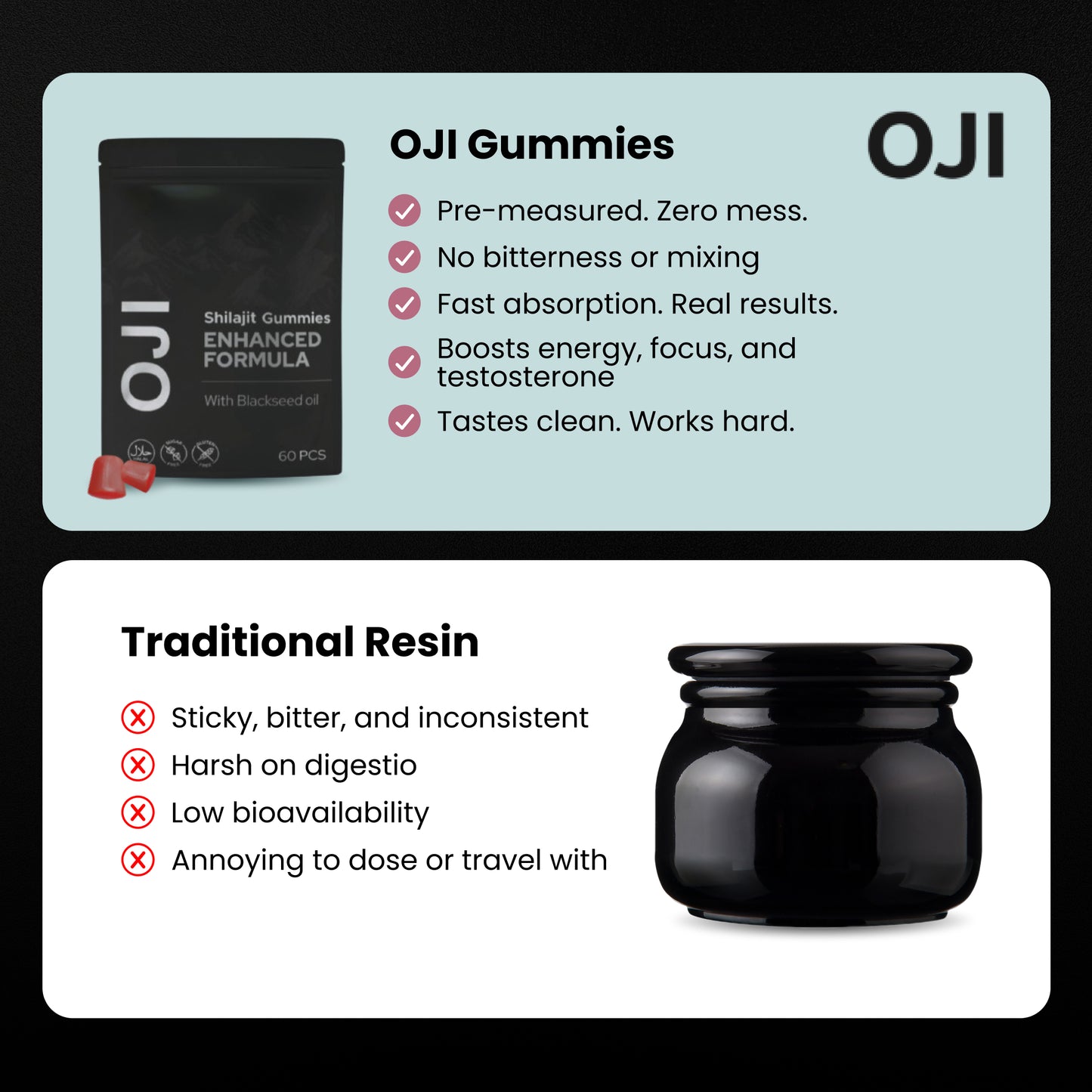
For those looking to simplify their journey and ensure they receive a synergistic blend of essential nutrients, Oji Shilajit offers a powerful solution. Our gummies are formulated not just with over 85 trace minerals but also with adaptogens like Ashwagandha to support your body's natural ability to find balance. Experience the difference a high-quality, targeted supplement can make by visiting https://myoji.co.uk.