
In a world that constantly demands our attention and energy, mastering the ability to manage stress is no longer a luxury, it is a fundamental skill for maintaining well-being and peak performance. While the sources of stress are varied, ranging from professional pressures to personal challenges, the physiological and psychological responses are universal. Unchecked, chronic stress can disrupt sleep, impair cognitive function, and negatively impact overall health. This guide is designed to cut through the noise and deliver a comprehensive, evidence-informed roundup of the most effective strategies available.
This is not a list of generic advice. Instead, we provide a practical toolkit filled with actionable methods you can implement immediately. We will explore a curated selection of the best ways to manage stress, from foundational practices like targeted breathwork and mindfulness to strategic cognitive techniques and the role of optimised nutrition. Each section offers a clear breakdown: what it is, how to do it, the expected timeline for results, and its unique advantages and disadvantages. This structured approach allows you to tailor a personalised stress-management system that fits your lifestyle and specific needs.
We will delve into powerful techniques such as physical exercise, sleep hygiene, and building robust social support systems. We will also cover the strategic use of natural supplements, including adaptogens like Ashwagandha and Oji Shilajit, complete with guidance on dosage and safety. The goal is to empower you with a diverse set of tools to not only cope with stress but to build resilience against it. To gain a broader perspective and an actionable plan, explore these 10 best ways to reduce stress. Let’s begin building your personalised strategy for a calmer, more focused life.
1. Mindfulness Meditation
Mindfulness meditation is a powerful mental training practice that involves focusing your attention on the present moment with a non-judgmental attitude. Instead of getting caught up in anxieties about the future or regrets about the past, you learn to observe your thoughts, feelings, and bodily sensations as they arise and pass. This practice is one of the best ways to manage stress because it interrupts the brain’s default cycle of worry and rumination, creating a space of calm awareness.
This technique is not just an ancient practice; it's a modern, evidence-backed tool used by high-performers. Major organisations like Google integrate mindfulness training to boost employee focus and well-being, while the US military uses it to build stress resilience in personnel. The Mayo Clinic even incorporates mindfulness into patient care programmes to improve health outcomes. Its inclusion in these demanding environments underscores its effectiveness as a stress-reduction tool.
Actionable Steps for Mindfulness
- Start with a 5-Minute Timer: Sit in a quiet place, set a timer for five minutes, and close your eyes. This short, defined period makes the practice feel achievable.
- Focus on Your Breath: Pay attention to the sensation of air entering your nostrils and filling your lungs. Notice your abdomen rise and fall. This is your anchor.
- Gently Redirect Your Focus: Your mind will wander. When it does, acknowledge the thought without judgment and gently guide your attention back to your breath.
- Use a Guided App: For structure, use apps like Headspace or Calm. Follow the instructions to learn foundational techniques.
- Practice at the Same Time Daily: Make it a habit by linking it to an existing routine, like right after you wake up or before you start your workday.
When to Use This Method
Mindfulness is particularly effective when you feel overwhelmed by racing thoughts or are stuck in a cycle of negative thinking. It provides an immediate circuit-breaker for acute stress and, with regular practice, builds long-term mental resilience. It cultivates a state of calm that can be combined with other natural stress relief approaches for enhanced benefits. For more insights on integrating mindfulness with other holistic strategies, you can explore natural stress relief techniques. By detaching from the stress reaction, you regain control over your mental state.
2. Physical Exercise
Physical exercise is a cornerstone of stress management, involving regular bodily movement that elevates heart rate and enhances overall fitness. It acts as a powerful antidote to stress by triggering the release of endorphins, the body's natural mood elevators, while simultaneously reducing levels of stress hormones like cortisol and adrenaline. This process offers a direct physiological route to calm the nervous system and provides a constructive outlet for pent-up energy, making it one of the best ways to manage stress.
The effectiveness of exercise is widely recognised in high-pressure environments. Corporate wellness programmes often include gym memberships to improve employee resilience, while fitness communities like CrossFit integrate vigorous exercise with strong social support networks. Leading organisations such as the American Heart Association and mental health charities like Mind actively promote physical activity for its profound impact on both physical and mental well-being, confirming its role as a fundamental tool for a balanced life.
Actionable Steps for Physical Exercise
- Choose an Enjoyable Activity: Select something you like—running, weightlifting, dancing, or team sports. This makes it a reward, not a chore.
- Start with 20 Minutes, 3 Times a Week: Begin with manageable sessions and gradually increase the duration or intensity as your fitness improves.
- Schedule Workouts in Your Calendar: Block out time for exercise as you would for an important meeting. A morning session can set a positive tone for the day.
- Find an Accountability Partner: Commit to exercising with a friend. This provides motivation and makes the experience more social and enjoyable.
When to Use This Method
Physical exercise is exceptionally effective for dissipating the physical symptoms of stress, such as restlessness, irritability, and muscle tension. It is ideal for both immediate relief after a stressful event and for building long-term resilience against daily pressures. Regular activity helps regulate sleep patterns and improves metabolic health, creating a robust foundation that makes you less susceptible to the negative effects of stress. By channelling nervous energy into productive movement, you regain a sense of control over both your body and mind.
3. Deep Breathing Exercises
Deep breathing exercises are a fast-acting and highly accessible method for activating the body’s natural relaxation response. By consciously slowing down your respiratory rate and deepening your inhalations, you directly stimulate the vagus nerve, which shifts your nervous system from the sympathetic "fight-or-flight" state to the parasympathetic "rest-and-digest" state. This physiological switch is one of the best ways to manage stress because it provides an immediate reduction in heart rate, blood pressure, and muscle tension.
This technique is so effective that it’s a standard tool in some of the world's most high-pressure environments. The US military employs tactical breathing to keep soldiers calm and focused during combat, while hospital A&E departments teach the 4-7-8 breathing technique to patients to alleviate acute anxiety. Athletes also use controlled breathing to manage performance anxiety, demonstrating its power to regulate both physical and mental states under extreme pressure.
Actionable Steps for Deep Breathing
- Execute the 4-7-8 Technique: Inhale through your nose for 4 seconds. Hold your breath for 7 seconds. Exhale slowly through your mouth for 8 seconds. Repeat 3-5 times.
- Try Box Breathing: Inhale for 4 seconds. Hold your breath for 4 seconds. Exhale for 4 seconds. Hold your breath for 4 seconds. This simple rhythm is easy to use in any situation.
- Focus on a Longer Exhale: The key to activating the relaxation response is making your exhale longer than your inhale. This maximises the calming effect.
- Use Your Hand as a Guide: Place one hand on your belly. As you inhale, feel your hand rise. As you exhale, feel it fall. This ensures you are breathing deeply from your diaphragm.
When to Use This Method
Deep breathing is an ideal first-response tool for moments of acute stress, panic, or overwhelm. Because its effects are almost immediate, you can use it anywhere to quickly de-escalate a stress reaction, whether you're facing a difficult meeting or feeling anxious in a crowded space. Practising daily when you are calm builds the skill, making it a reliable and powerful self-regulation technique to deploy whenever stress arises.
4. Progressive Muscle Relaxation (PMR)
Progressive Muscle Relaxation (PMR) is a deep relaxation technique based on the simple practice of systematically tensing, then releasing, different muscle groups. This process helps you become acutely aware of physical tension in your body and gives you a direct method for releasing it. As one of the best ways to manage stress, PMR directly interrupts the feedback loop between mental anxiety and physical tightness, promoting a state of profound calm that can alleviate both physical and psychological symptoms of stress.
This powerful mind-body technique, developed by Edmund Jacobson in the 1920s, is far from outdated. It is a cornerstone of modern therapeutic practice, used in hospital pain management programmes to reduce discomfort and in sleep clinics to combat insomnia. The NHS and veterans' support services often recommend PMR for managing anxiety and PTSD, highlighting its clinical validity and effectiveness in high-stress populations. Its application in these critical care environments proves its value as a reliable stress-reduction tool.
Actionable Steps for PMR
- Find a Quiet, Comfortable Position: Lie down or sit in a reclining chair where you can fully relax without being disturbed.
- Systematically Tense and Release: Start with your feet. Tense the muscles for 5 seconds, focusing on the feeling of tightness. Then, release the tension completely for 10-15 seconds, noticing the contrast.
- Work Your Way Up the Body: Move sequentially through major muscle groups: legs, abdomen, arms, hands, shoulders, and face.
- Follow a Guided Audio: For beginners, use a guided PMR session from an app like Calm or Insight Timer. The instructions will walk you through the entire process.
When to Use This Method
PMR is particularly effective when you feel stress manifesting physically, such as with tension headaches, a tight jaw, or stiff shoulders. It is an excellent practice to perform before bed to release the day's accumulated tension and improve sleep quality. Regular practice, even just two to three times per week, builds your ability to recognise and release tension on-demand, giving you a powerful physical tool to manage stress before it escalates. By consciously relaxing your body, you send a powerful signal to your brain that it is safe to relax as well.
5. Cognitive Behavioral Therapy (CBT)
Cognitive Behavioural Therapy (CBT) is a structured, evidence-based psychotherapeutic approach that helps you manage problems by changing the way you think and behave. It operates on the core principle that your thoughts, feelings, physical sensations, and actions are interconnected, and that negative thoughts and feelings can trap you in a vicious cycle. CBT is one of the best ways to manage stress because it provides a practical toolkit to identify, challenge, and reframe the unhelpful thought patterns that fuel anxiety and distress.
This method is not just for clinical settings; it's a highly respected and widely implemented strategy for building mental resilience. CBT is a cornerstone of mental health services in organisations like the NHS and is used extensively in military and veteran programmes to address stress and trauma. The proliferation of online platforms like Talkspace and BetterHelp has also made these powerful techniques more accessible than ever, demonstrating its effectiveness in a variety of modern contexts.
Actionable Steps for CBT
- Identify a Stressful Thought: When you feel stressed, stop and ask: "What thought just went through my mind?" Write it down.
- Challenge the Thought: Ask critical questions: "Is this thought 100% true?", "What is a more balanced or realistic perspective?", "What is the worst that could happen, and could I handle it?". Use a cognitive behavioral thought record to structure this process.
- Reframe the Thought: Create a new, more constructive statement to replace the negative one. For example, change "I'm going to fail this presentation" to "I am well-prepared, and I will do my best."
- Work with a Professional: To learn these skills effectively, seek a qualified CBT therapist who can provide structured guidance and personalised exercises.
When to Use This Method
CBT is particularly powerful when you feel stuck in cycles of worry, negative self-talk, or avoidance behaviours. It is ideal for individuals who want a structured, goal-oriented approach to stress management rather than open-ended talk therapy. By providing concrete skills to dismantle stressful thinking, CBT empowers you to become your own therapist, equipping you with a lifelong ability to manage challenges and maintain mental balance.
6. Yoga
Yoga is an ancient practice that integrates physical postures (asanas), controlled breathing (pranayama), and meditation or relaxation. It functions as a comprehensive mind-body discipline that tackles stress on multiple fronts. The physical movement helps to release tension stored in the muscles, while the focused breathing calms the nervous system, effectively lowering cortisol levels and blood pressure. This integration makes it one of the best ways to manage stress, as it addresses both the physical and mental symptoms simultaneously.
The practice has moved far beyond niche studios and is now a mainstream wellness tool supported by significant research. Many corporate offices offer on-site yoga classes to improve employee well-being, and even hospitals are integrating it into pain and stress management programmes. Its widespread adoption is championed by figures like Adriene Mishler of Yoga with Adriene on YouTube and platforms such as Peloton, making high-quality instruction accessible to millions. This broad acceptance in demanding environments highlights its proven ability to build resilience and foster calm.
Actionable Steps for Yoga
- Select a Style for Your Goal: For relaxation, try a Yin or Restorative class. For an energising practice, choose Vinyasa.
- Start with a Beginner Program: Follow a foundational series online or join a beginner’s class to learn proper form for key poses.
- Commit to 2-3 Sessions Per Week: Consistency is crucial for building mind-body awareness and resilience. Even 15-20 minutes counts.
- Use Free Online Resources: Platforms like YouTube (Yoga with Adriene) and apps like Down Dog offer high-quality, customisable classes for free or at a low cost.
- Focus on Sensation, Not Perfection: The aim is to connect with your body, not to achieve a perfect pose. Modify poses to suit your level and avoid pushing into pain.
When to Use This Method
Yoga is particularly effective when you feel physically tense, mentally scattered, or disconnected from your body. It is an excellent proactive strategy to build long-term stress resilience but can also be used as an immediate tool to decompress after a difficult day. The practice is highly adaptable; a gentle 15-minute session can calm your mind before a big meeting, while a more vigorous 60-minute class can release pent-up frustration. Combining yoga with nutritional support can further enhance its stress-reducing effects.
7. Social Connection and Support
Cultivating meaningful relationships is a fundamental human need and one of the best ways to manage stress. Social connection acts as a powerful buffer against adversity by providing emotional support, fostering a sense of belonging, and normalising shared experiences. Humans are wired for community; isolation can amplify the physiological and psychological impact of stress, whereas strong social ties can significantly improve resilience and overall well-being.
This principle is the bedrock of countless successful support systems. Esteemed researchers like Brené Brown have popularised the importance of vulnerability and connection in building resilience, while organisations like Alcoholics Anonymous (AA) demonstrate the profound impact of peer support in overcoming life's greatest challenges. Major companies also implement mentorship programmes and employee assistance schemes, recognising that a connected workforce is a healthier and more productive one.
Actionable Steps for Social Connection
- Schedule a Weekly Connection: Put a recurring call with a friend or a family dinner on your calendar. Treat this time as non-negotiable.
- Focus on Nurturing 2-3 Key Relationships: Prioritise depth over breadth. Invest your limited social energy in the people who provide genuine support.
- Join a Group with a Shared Interest: Find a local sports team, book club, or volunteer organisation. Shared activities create natural bonds.
- Initiate Contact: Don't wait for others to reach out. Send a text, share a funny article, or make a plan to meet. Small gestures maintain connections.
When to Use This Method
This approach is crucial when you feel isolated, misunderstood, or overwhelmed by a specific problem. While ongoing social maintenance is vital for long-term health, proactively seeking connection is especially powerful during periods of high stress, life transitions, or personal crisis. Reaching out provides an immediate sense of relief and perspective, reminding you that you are not alone in your struggles. By sharing the burden, you effectively lighten its weight.
8. Journaling and Expressive Writing
Journaling is the practice of writing down your thoughts, feelings, and experiences to process emotions and gain clarity. Instead of letting stressful thoughts circulate internally, expressive writing allows you to externalise them onto paper. This act of translation from thought to word is one of the best ways to manage stress because it creates distance, helping you to organise chaotic feelings and identify the root causes of your anxiety.
This method is not just a personal habit; it's a therapeutic tool grounded in significant research. The pioneering work of Dr. James Pennebaker demonstrated that expressive writing about traumatic events can lead to improved mental and physical health. Similarly, corporations often integrate gratitude journaling into wellness programmes to boost morale, and Ryder Carroll’s bullet journal system has helped millions organise their minds alongside their tasks. Its effectiveness is rooted in making abstract worries concrete and manageable.
Actionable Steps for Journaling
- Dedicate 10 Minutes Daily: Link journaling to an existing habit, like your morning coffee or winding down before bed, to ensure consistency.
- Use the "Brain Dump" Method: Set a timer and write continuously about whatever is on your mind without stopping or censoring yourself. Do not worry about grammar or structure.
- Try a Gratitude List: Each day, write down three specific things you are grateful for. This shifts your focus from stressors to positives.
- Use a Prompt to Get Started: If you're stuck, use a question like, "What is one thing I can control in this situation?" or "What emotion am I feeling right now, and where in my body do I feel it?".
When to Use This Method
Journaling is particularly powerful when you feel emotionally overwhelmed or your thoughts are jumbled and unclear. It’s an excellent tool for processing complex situations, navigating difficult emotions, and gaining self-awareness. Regular practice helps you not only to manage acute stress but also to build a deeper understanding of your personal triggers and coping mechanisms over time, fostering long-term emotional resilience.
9. Nutrition and Hydration
Optimising your nutrition and hydration is a foundational strategy for managing stress. What you eat and drink directly influences your body's stress response system, affecting everything from hormone balance to cognitive function. Poor nutrition, high in processed foods and sugar, can spike cortisol and create a physiological state of stress, whereas a nutrient-dense diet builds resilience from the inside out. This makes a well-planned diet one of the best ways to manage stress proactively.
This principle is widely applied in high-performance and clinical settings. Leading institutions like the Mayo Clinic integrate nutritional guidelines into their stress management programmes, while the field of nutritional psychiatry, popularised by experts like Dr. Drew Ramsey, specifically uses food to improve mental health outcomes. Corporate wellness programmes now frequently include nutrition counselling to help employees combat workplace stress, underscoring the direct link between what we consume and how we feel.
Actionable Steps for Better Nutrition
- Incorporate Omega-3s: Add sources like salmon, mackerel, flaxseeds, or walnuts to your meals several times a week to support brain health.
- Balance Every Meal: Ensure each meal contains a source of lean protein, healthy fat, and complex carbohydrates (like vegetables or whole grains) to maintain stable blood sugar and energy.
- Keep a Water Bottle with You: Aim to drink 2-3 litres of water throughout the day to prevent dehydration, a physical stressor.
- Reduce Inflammatory Foods: Minimise your intake of ultra-processed foods, added sugars, and excessive caffeine, as these can disrupt sleep and amplify your stress response.
When to Use This Method
This approach is essential for anyone experiencing chronic stress, fatigue, or mood swings. While not an instant fix for an acute panic attack, consistent nutritional improvements build a strong foundation for long-term stress resilience. It works powerfully when combined with other strategies, such as targeted supplementation. For example, incorporating adaptogens can further support the body's stress response, and you can discover how certain supplements help with stress. By fuelling your body correctly, you provide your brain with the resources it needs to function optimally under pressure.
10. Time Management and Prioritisation
Effective time management and prioritisation are foundational strategies for reducing chronic stress. This approach involves organising your daily activities, setting realistic goals, and focusing on high-impact tasks to diminish feelings of overwhelm and increase your sense of control. Stress often arises from feeling that there are too many demands and not enough time; a structured approach creates predictability and restores agency, directly counteracting anxiety.
This isn't just about making to-do lists; it's a strategic framework for allocating your most valuable resource: your attention. This is why leading companies like Asana and Monday.com build entire platforms around these principles, and executive coaches often focus on task delegation and prioritisation to enhance leadership effectiveness. Student success centres also teach these skills to help young adults navigate academic pressures, underscoring their universal applicability.
Actionable Steps for Time Management
- Use the Eisenhower Matrix: At the start of your day, quickly categorise your tasks: 1. Urgent & Important (Do now), 2. Not Urgent & Important (Schedule), 3. Urgent & Not Important (Delegate), 4. Not Urgent & Not Important (Eliminate).
- Apply the Pomodoro Technique: Work on a single task for a focused 25-minute block, then take a 5-minute break. This structure prevents mental fatigue.
- Practice Saying 'No': When asked to take on a new commitment, use a phrase like, "Let me check my schedule and get back to you." This gives you time to decide if it aligns with your priorities.
- Break Down Large Tasks: If a project feels overwhelming, break it into the first three small, physical steps you need to take. Completing these builds momentum.
When to Use This Method
This method is one of the best ways to manage stress when your anxiety stems from a heavy workload, competing deadlines, or a general feeling of being disorganised. It is particularly effective for preventing the build-up of chronic stress in professional environments. By structuring your time, you reclaim control and can proactively tackle challenges before they become overwhelming. To better understand how these techniques can be applied, you can explore more strategies for workplace stress reduction. This proactive approach transforms your relationship with your responsibilities from a source of anxiety into a series of achievable goals.
Top 10 Stress-Management Strategies Comparison
| Technique | 🔄 Implementation (complexity) | 📊 Resources (requirements) | ⭐ Expected outcomes (quality) | ⚡ Speed / Efficiency | 💡 Ideal use cases / Key advantages |
|---|---|---|---|---|---|
| Mindfulness Meditation | Moderate — requires routine | Low — none or apps | ⭐⭐⭐⭐ — long-term emotion regulation | ⚡ Medium — benefits accumulate | Suited for daily stress reduction, improves self-awareness |
| Physical Exercise | Moderate — planning & consistency | Variable — none to gym/classes | ⭐⭐⭐⭐ — strong mood & health benefits | ⚡ Medium — immediate mood lift post-session | Best for energy release, cardiovascular and mental health |
| Deep Breathing Exercises | Low — easy to learn | Very low — no equipment | ⭐⭐⭐ — reliable acute calming | ⚡ Fast — immediate physiological relief | Ideal for acute anxiety, portable emergency technique |
| Progressive Muscle Relaxation (PMR) | Low–Moderate — guided sequence | Low — audio or guide | ⭐⭐⭐⭐ — effective for tension & sleep | ⚡ Medium — session-based (10–30 min) | Good for insomnia, body-awareness and chronic tension |
| Cognitive Behavioral Therapy (CBT) | High — structured therapy | High — trained therapist, time, cost | ⭐⭐⭐⭐⭐ — evidence-based, lasting change | ⚡ Slow — weeks to months for effect | Best for clinical anxiety/depression, skill-building long-term |
| Yoga | Moderate — technique + consistency | Low–Medium — mat, classes optional | ⭐⭐⭐⭐ — combined physical + mental benefits | ⚡ Medium — immediate and cumulative effects | Suits mind–body integration, flexibility, community support |
| Social Connection & Support | Moderate — requires initiative | Low — time and access to people | ⭐⭐⭐⭐⭐ — strong, durable health impact | ⚡ Medium — benefits grow with relationships | Best for buffering isolation, emotional resilience, longevity |
| Journaling & Expressive Writing | Low — self-directed practice | Very low — pen/paper or device | ⭐⭐⭐ — improves processing and insight | ⚡ Medium — delayed measurable benefits | Useful for reflection, pattern recognition, therapeutic processing |
| Nutrition & Hydration | Moderate — planning & habit change | Medium — food access, cost | ⭐⭐⭐⭐ — foundational support for stress resilience | ⚡ Variable — hydration quick, dietary changes slower | Critical adjunct to other strategies; improves energy and mood |
| Time Management & Prioritization | Moderate — system setup | Low — tools/apps or planner | ⭐⭐⭐⭐ — reduces overwhelm, boosts productivity | ⚡ Medium — setup upfront, immediate payoff | Best for workload stress, increasing control and focus |
Final Thoughts
We have explored a comprehensive toolkit of the best ways to manage stress, moving far beyond generic advice to offer a practical, actionable roadmap. You’ve journeyed through the immediate calm of deep breathing exercises, the long-term resilience built by physical activity, the mental reframing offered by CBT techniques, and the foundational support provided by proper nutrition and sleep hygiene. The path to effective stress management is not about finding a single magic bullet; it's about building a personalised, multi-faceted strategy that fits your unique lifestyle, personality, and stressors.
The central theme connecting all these methods is proactive engagement. Stress often feels like something that happens to us, an external force that leaves us feeling powerless. However, each technique we've discussed, from mindfulness meditation to journaling, hands the control back to you. It’s about consciously choosing to engage with your mind and body, rather than letting your nervous system run on autopilot in a constant state of fight-or-flight. This is the crucial shift from a reactive stance to a proactive one.
Weaving Your Personal Stress Management Tapestry
The true power of this guide lies not in adopting every single suggestion, but in thoughtfully selecting and combining the ones that resonate most with you. Think of these strategies as threads of different colours and textures. Your task is to weave them into a tapestry of resilience that is uniquely yours.
Consider these potential combinations as a starting point:
- For the Busy Professional: You might combine a 5-minute morning breathwork session to centre yourself before the day begins, with time-blocking techniques to manage your workload, and a vigorous gym session in the evening to discharge accumulated tension.
- For the Overthinker: A powerful trio could be journaling to externalise anxious thoughts, Cognitive Behavioural Therapy (CBT) exercises to challenge and reframe those thoughts, and progressive muscle relaxation before bed to calm a restless mind.
- For the Physically Drained: Your focus might be on optimising sleep hygiene to ensure deep recovery, incorporating gentle yoga to reconnect with your body, and ensuring your nutrition is rich in magnesium and B vitamins to support your nervous system.
The goal is to create a sustainable routine, not a list of chores. Start small. Choose one or two techniques that feel accessible and commit to practicing them consistently for a few weeks. Notice the subtle shifts in your mood, your energy levels, and your ability to handle daily challenges. As you build confidence and experience the benefits, you can gradually integrate more strategies into your life.
The Ultimate Takeaway: You Are the Architect of Your Calm
Mastering the best ways to manage stress is not about eliminating pressure from your life; that’s an impossible and unproductive goal. Instead, it is about fundamentally changing your relationship with stress. It’s about building the internal resources, the mental fortitude, and the physical resilience to navigate life’s inevitable challenges with greater ease, clarity, and purpose.
By investing time in these practices, you are not just managing symptoms. You are investing in your long-term health, enhancing your professional performance, deepening your personal relationships, and ultimately, improving your overall quality of life. You are becoming the architect of your own inner calm, capable of building a sanctuary of peace even when the world outside is turbulent. Let this guide be your blueprint, but remember that you hold the tools. The power to build a more balanced, resilient, and fulfilling life is firmly within your grasp.
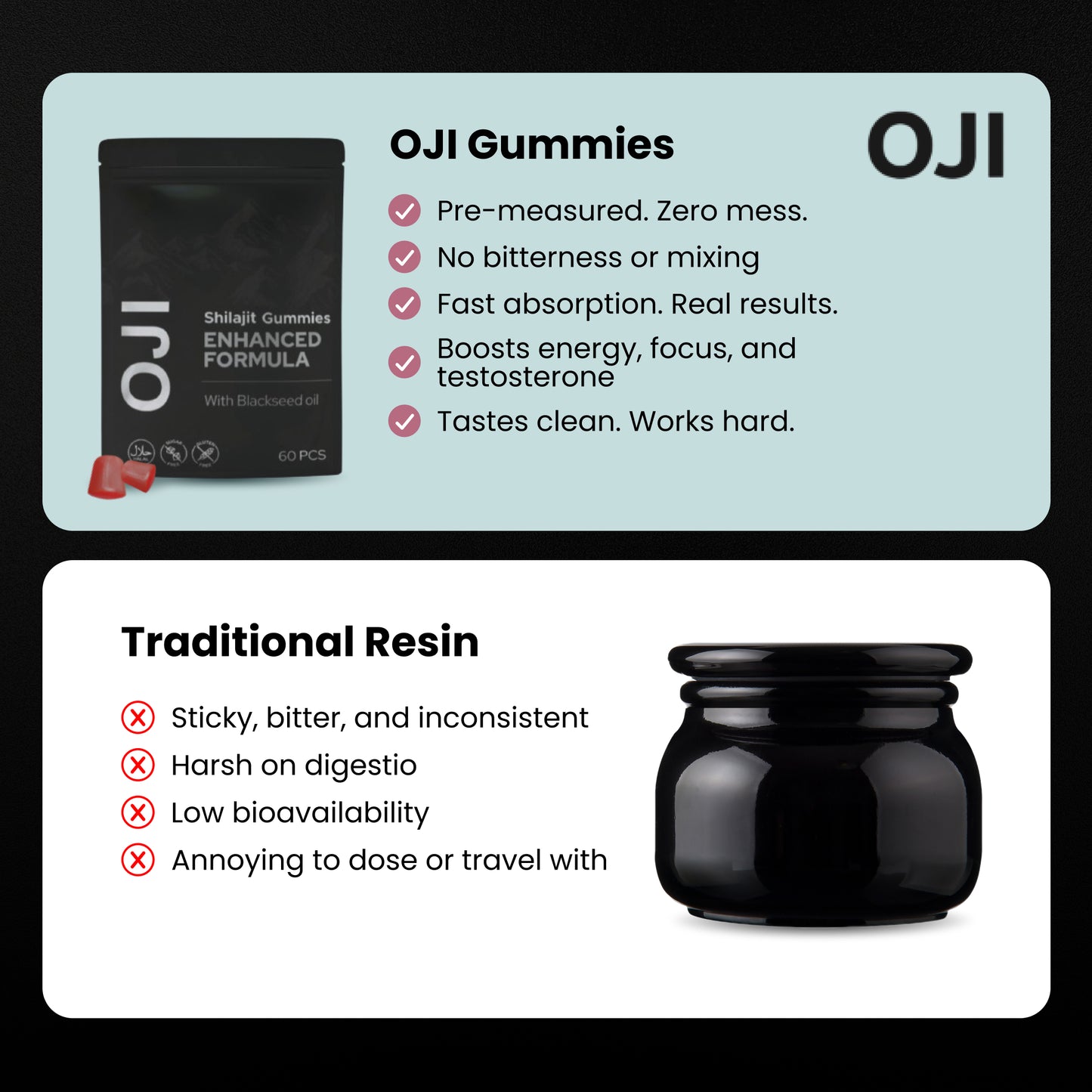
As you build your stress management toolkit with strategies like improved nutrition and physical stamina, consider supporting your body's natural resilience. For an adaptogenic boost that helps your system manage stress and maintain energy, explore the benefits of Oji Shilajit. Discover how this purified, plant-based supplement can complement your journey to a more balanced state at Oji Shilajit.