
So, what are hormone-balancing supplements and what actionable steps can you take with them? Put simply, they are nutritional products packed with vitamins, minerals, and herbal extracts designed to help your body’s natural hormone production and regulation.
To use them effectively, think of them as tools to deliver key nutrients that address imbalances often triggered by stress, diet, or life stages like menopause. Your goal is to take targeted action to ease symptoms like fatigue and mood swings, helping you feel more like yourself again.
How to Use Supplements to Balance Your Hormones
Picture your body’s hormonal system as a finely tuned orchestra. When every hormone plays in harmony, you feel energetic, clear-headed, and emotionally stable. But what happens when one instrument—say, cortisol or oestrogen—is out of tune? The whole symphony descends into chaos. That feeling of everything being 'off' is a hormonal imbalance.
This is where you can take action by using hormone balancing supplements in a supporting role. They aren't a magic wand. Instead, your actionable step is to use them to give your body's orchestra the right tools to get back in sync. The plan is to provide targeted nutrients that support the glands responsible for making hormones, like your adrenals and thyroid.
Take Action: Recognise the Signs of Imbalance
Before you can fix an issue, you must first identify it. Your first step is to recognise the subtle (and sometimes not-so-subtle) signals your body is sending you. These symptoms often creep up, making it easy to brush them off as just part of a busy life.
Look for these common signs of a hormonal imbalance:
- Persistent Fatigue: Feeling tired no matter how much you sleep.
- Mood Shifts: Finding yourself more irritable, anxious, or down than usual.
- Sleep Disruption: Struggling to fall asleep, stay asleep, or waking up feeling unrested.
- Unexplained Weight Changes: Gaining or losing weight without changing your diet or exercise routine.
Acknowledging these signs is the first, most empowering step toward regaining control. The action here is to connect the dots between how you feel and what’s happening internally. For more practical steps, check out our article on how to balance hormones naturally.
A Growing Trend in Modern Wellness
If you're looking for support, you're definitely not alone. The interest in these kinds of supplements is growing fast as more of us look for proactive ways to manage our health. The global hormone-balancing supplements market is projected to skyrocket, reaching an estimated £15.2 million by 2032.
Right now, women make up 68% of sales, largely driven by needs related to menopause and conditions like PCOS.
An actionable step is to view a hormonal imbalance as your body’s way of communicating that it needs more support. Listening to these signals and responding with targeted nutrition can be a powerful move towards restoring your natural rhythm.
These supplements often contain a blend of ingredients designed to work together synergistically. Vitamins like B and D, minerals such as magnesium, and adaptogenic herbs like ashwagandha are frequently used to regulate key hormones and improve the body's resilience to stress. By understanding what these supplements are, you can build a solid foundation for making informed choices for your wellbeing.
Key Supplements and How to Use Them for Hormonal Health
Stepping into the world of hormone balancing supplements can feel overwhelming. To make it actionable, think of them not as random ingredients, but as specific tools designed to support your body’s hormonal pathways.
Some supplements give your body the raw materials it needs to produce hormones, while others help you manage your stress response. By getting to know the most effective options, you can start to choose which ones align with your personal health goals. Let's break down the 'why' behind some of the most important players so you can take targeted action.
Action Step: Fortify with Core Minerals for Stability
Think of minerals as foundational support for countless processes in your body. Your first action step can be to ensure you have enough of these, as they are often depleted by modern diets and high-stress lives. Without enough key minerals, your body struggles to maintain its delicate chemical balance.
Two of the most crucial ones to consider for hormone support are magnesium and zinc.
-
Magnesium: The Calming Mineral: Often called the "relaxation mineral," magnesium is a powerhouse for regulating your nervous system. When you're stressed, your body pumps out cortisol. Your action plan is to use magnesium to help manage this, stopping cortisol from sticking around for too long. Research shows a link between low magnesium and increased stress, as it supports GABA production—a neurotransmitter that brings on calm—and helps with oestrogen detoxification.
-
Zinc: The Hormone Regulator: Zinc is vital for producing and regulating hormones like thyroid hormones, insulin, and sex hormones. It has a direct line to the pituitary gland—the "master gland." A zinc deficiency can disrupt everything from your menstrual cycle to your thyroid function, so ensuring adequate intake is a key step.
Action Step: Utilise Essential Vitamins as Hormone Precursors
Vitamins do more than just keep you generally healthy; some are direct precursors or co-factors in the creation of hormones. They’re the spark plugs that ignite the biochemical reactions needed for hormonal balance.
Vitamin D, in particular, has a very special role.
We call it a vitamin, but Vitamin D really acts more like a steroid hormone. It's crucial for making sex hormones and regulating insulin. Low levels are consistently linked to imbalances like PCOS and thyroid issues.
Your most practical action here is to supplement with Vitamin D3. Getting enough sunshine is the best way to make Vitamin D, but here in the UK, that's a challenge for much of the year. Supplementing often becomes a non-negotiable step to give your body what it needs for stable hormones.
This image gives a great visual breakdown of the main categories of hormone-balancing supplements, helping you plan your actions.
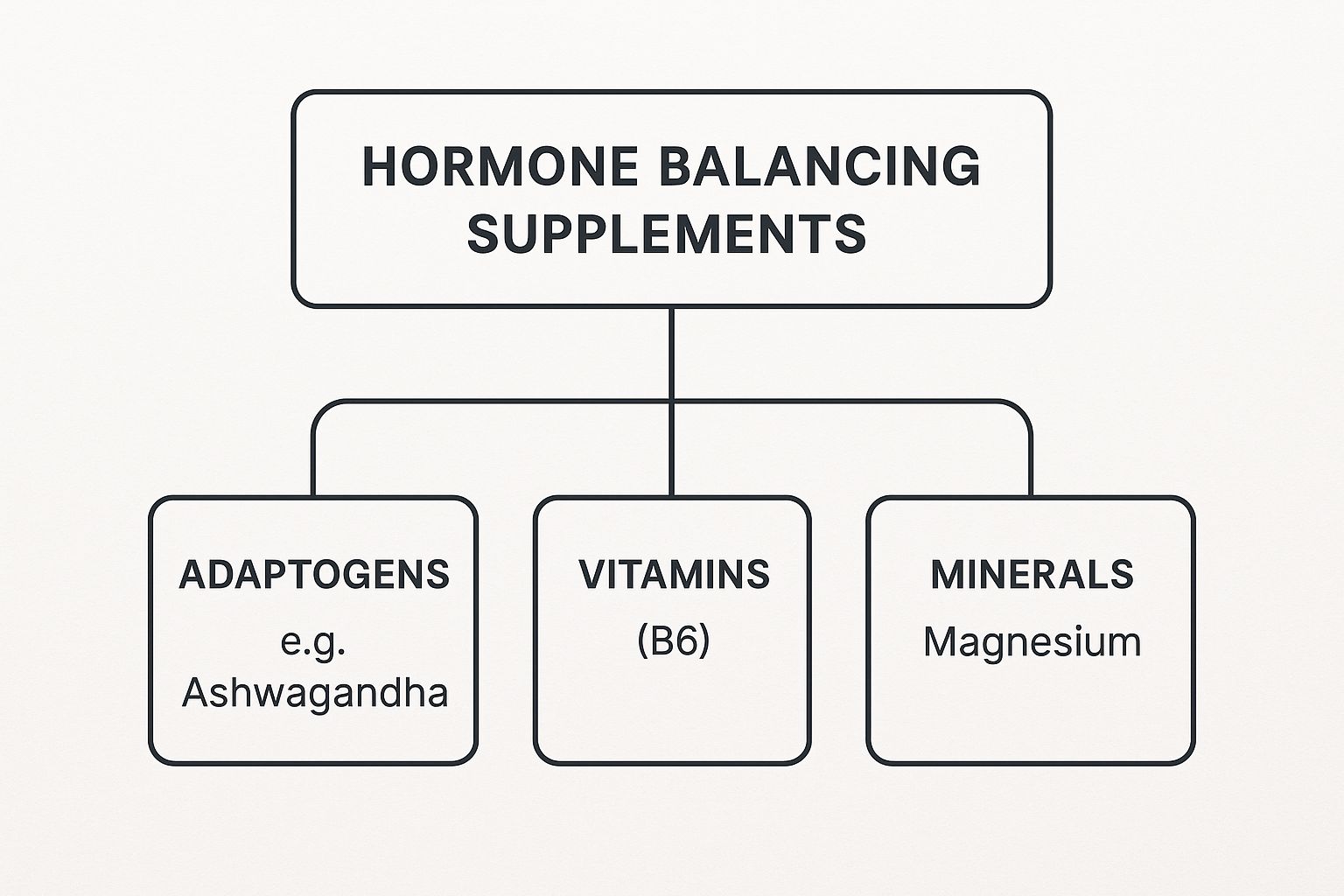
As you can see, you can take action from all angles—use minerals for foundation, vitamins as building blocks, and adaptogens for stress resilience. It's all about creating a more balanced system.
Action Step: Use Adaptogenic Herbs for Stress Resilience
Adaptogens are herbs that help your body adapt to stress. Your action is to use them to build resilience to physical, chemical, and biological stress. Instead of targeting one thing, they work to normalise your body’s functions. Think of them as a smart thermostat for your stress response.
Two of the most well-studied adaptogens for hormone balance are Ashwagandha and Maca Root.
Use Ashwagandha for Cortisol Control Ashwagandha is an ancient herb famous for its ability to lower cortisol levels. Chronic stress keeps cortisol high, disrupting your entire endocrine system.
By helping to regulate the HPA axis, your action of taking Ashwagandha can lead to:
- Reduced feelings of stress and anxiety.
- Deeper, more restorative sleep.
- More balanced thyroid hormone levels.
Use Maca Root for Libido and Energy Maca is a cruciferous vegetable known for boosting endocrine function without containing hormones itself. It works by nourishing the hypothalamus and pituitary glands.
Maca is a great choice if your goal is to:
- Support a healthy libido and sexual function.
- Naturally boost energy and stamina.
- Ease menopause symptoms like hot flushes and mood swings.
By understanding the unique roles these minerals, vitamins, and adaptogens play, you're in a much better position to choose the hormone balancing supplements that offer the most targeted support for your body's specific needs.
Take Action with Shilajit for Modern Hormonal Support
Beyond familiar herbs and minerals, there’s a powerhouse you can use for your hormones: Shilajit. This potent, mineral-rich substance is a cornerstone of Ayurvedic tradition. It’s incredibly relevant for taking action on the hormonal challenges of modern life.
Your first step is to understand what it is: a tar-like resin that forms over centuries from decomposing plants in high-altitude mountains, packed with nutrients. Its secret weapon is fulvic acid, which acts as a delivery driver, helping your cells absorb and use minerals more effectively.
This makes Shilajit a standout among hormone balancing supplements. It delivers a complex of over 84 essential minerals in a bioavailable form. Your action plan is to use this broad-spectrum support to give your endocrine system the raw materials it needs to function at its best.
Build Resilience to Stress with an Ancient Adaptogen
One of Shilajit’s most practical benefits is the way it helps your body handle stress. Like Ashwagandha, Shilajit is a powerful adaptogen. The action it takes is to help regulate the HPA (hypothalamic-pituitary-adrenal) axis—your body’s central command centre for stress.
When you're under constant pressure, your adrenal glands pump out cortisol. Shilajit steps in to help moderate this response. This doesn’t just make you feel calmer; it has a direct, positive effect on your hormonal balance.
By helping to normalise cortisol, taking Shilajit can help you:
- Improve Energy Levels: Fight off the deep fatigue that comes with adrenal burnout.
- Achieve Better Sleep Quality: Calm the stress response, letting your body slip into a more restorative state at night.
- Balance Sex Hormones: Create a more stable internal environment for producing key hormones like testosterone and oestrogen.
Taking Shilajit isn't just about topping up minerals; it's about making your body run more efficiently. It supports your mitochondria—the powerhouses of your cells—leading to more energy for every process in your body, including making hormones.
Making Shilajit an Actionable Part of Your Routine
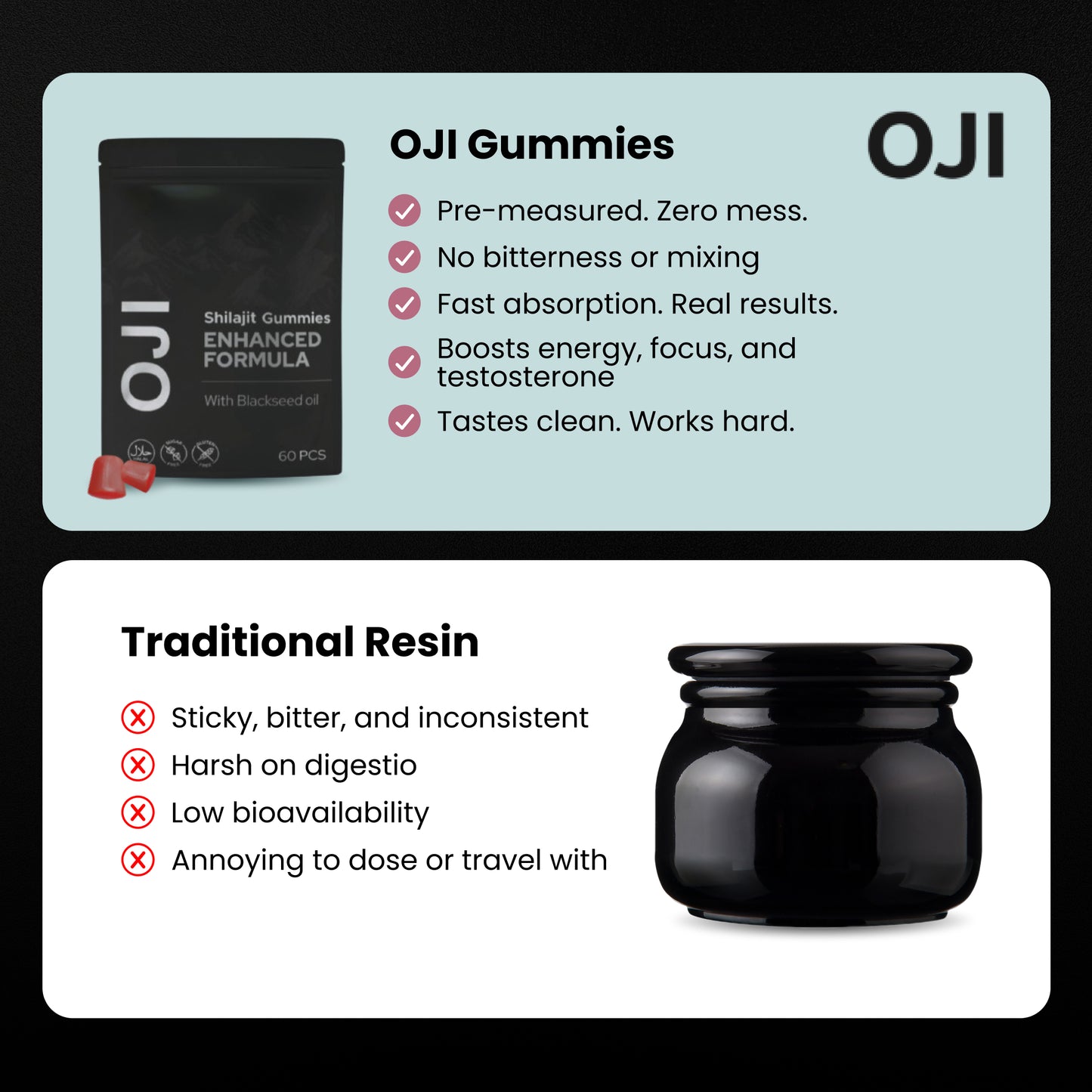
For a long time, using Shilajit meant dealing with a sticky, bitter resin. Thankfully, modern wellness has made taking this ancient substance remarkably simple.
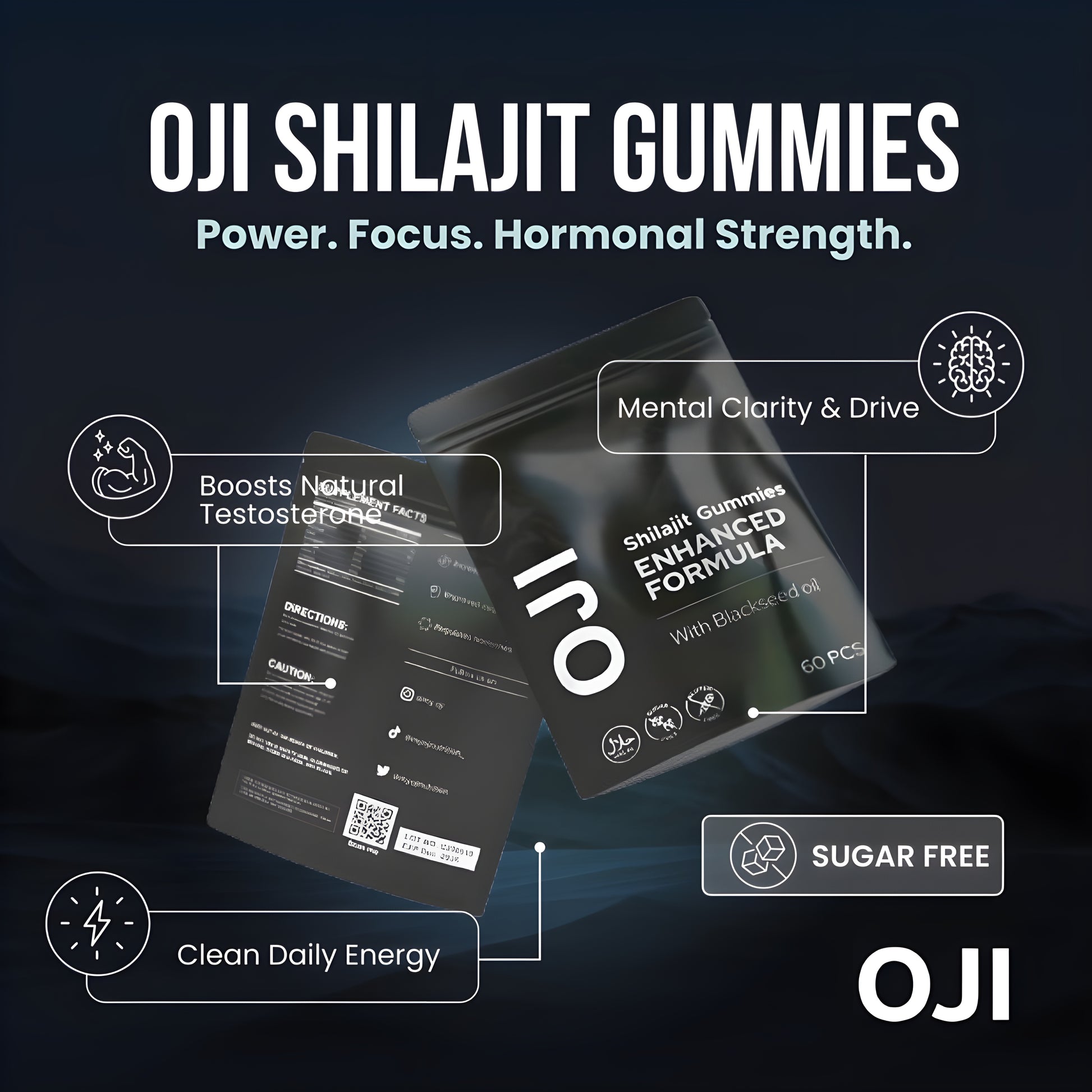
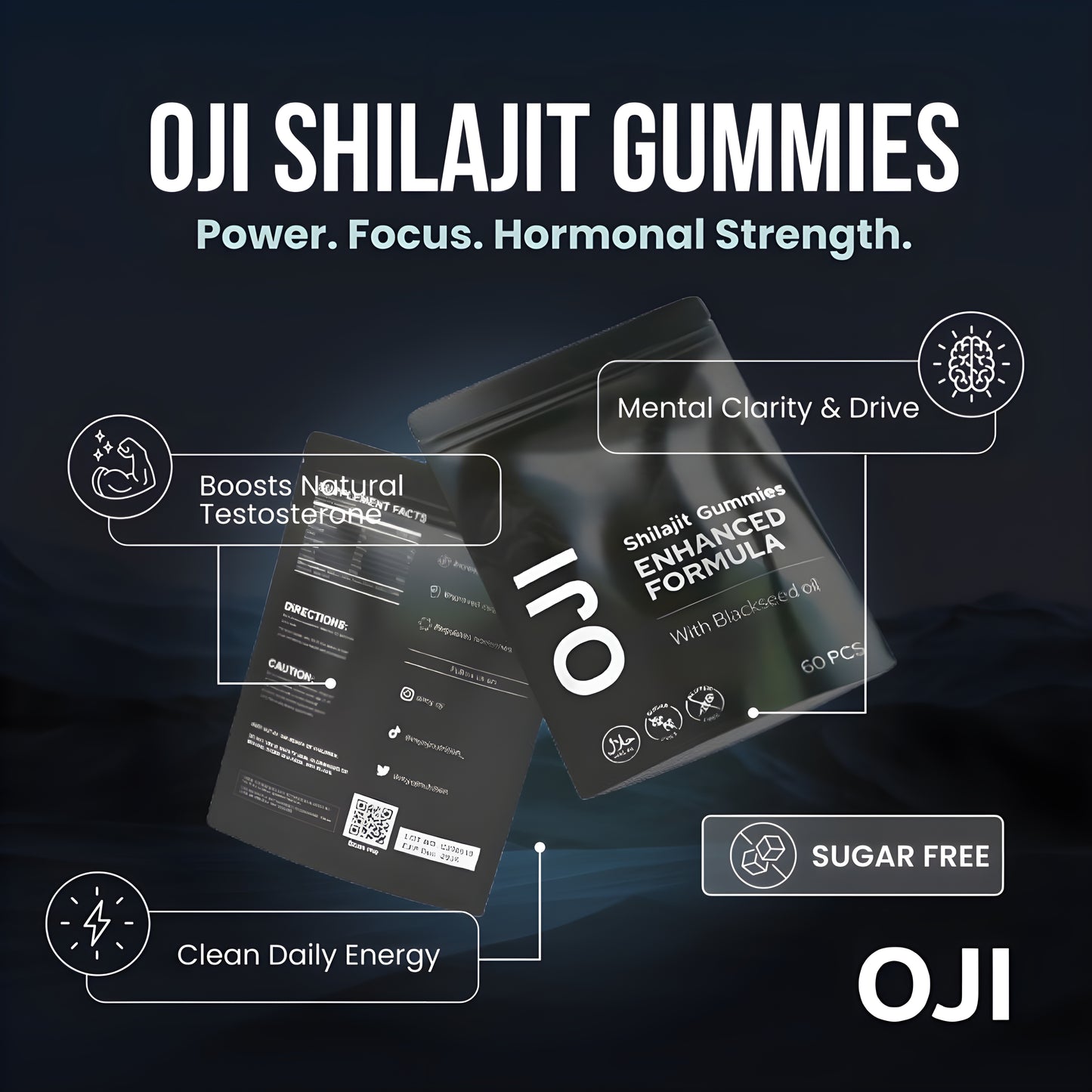
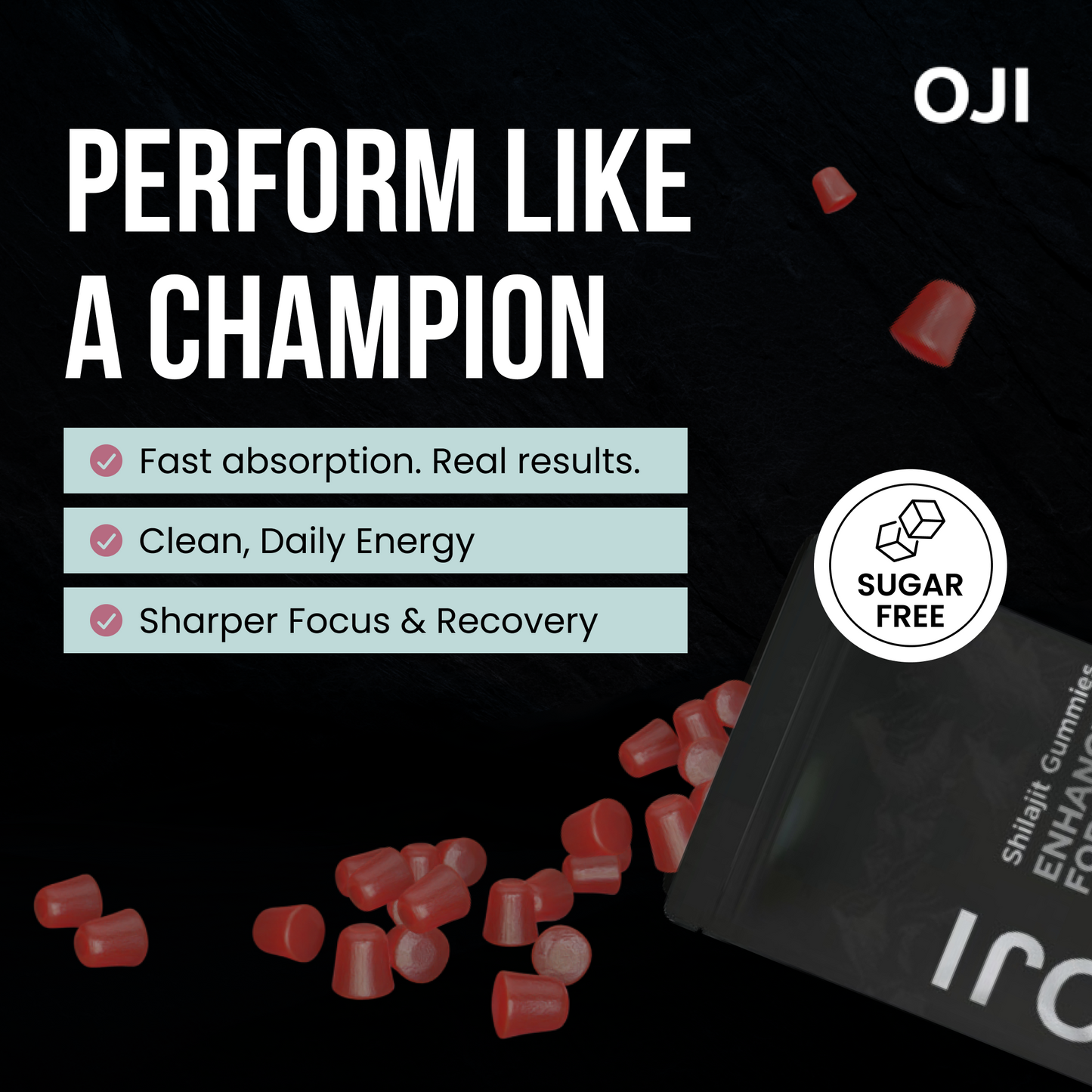
The introduction of Shilajit gummies has been a game-changer. This format makes it easy to get a precise, consistent dose without any mess or funky taste. It turns a powerful substance into a simple daily habit. Your action step is to choose an accessible form like this to ensure consistency, which is key to seeing real results.
This makes it an accessible step towards better balance for everyone. In men, it has been shown to support healthy testosterone levels. For women, its ability to support iron levels and provide broad mineral support can be a huge help. By choosing an easy form like a gummy, you’re far more likely to stick with it—and consistency is the key.
Targeted Supplement Strategies for Menopause
Perimenopause and menopause require targeted, actionable support. Think of this stage as your body recalibrating its hormonal orchestra. As oestrogen levels dip, other systems can be thrown off-key.
Here, your strategy is to use specific hormone balancing supplements to offer gentle but effective support. The goal is to give your body the exact tools it needs to move through this change with more ease, empowering you to take proactive steps.
Action Plan: Soothe Hot Flushes and Night Sweats
Hot flushes and night sweats are common and disruptive. They happen because the brain's thermostat—the hypothalamus—gets more sensitive as oestrogen falls. Your action plan is to use specific plant-based herbs for relief.
- Black Cohosh: This is one of the most studied supplements for menopausal symptoms. It seems to work by influencing serotonin pathways in the brain, which helps regulate body temperature.
- Red Clover: Packed with isoflavones—plant-based compounds that gently mimic oestrogen's effects—Red Clover can help reduce the frequency and intensity of hot flushes.
- Evening Primrose Oil: The gamma-linolenic acid (GLA) in this oil can also help with hot flushes by supporting prostaglandin production, which plays a part in hormonal signalling.
The UK menopause market is expected to grow from around £387 million to over £511 million by 2030. Dietary supplements make up the biggest slice of this market, showing how many people are taking action with nutrition. You can find out more about the growth of the UK menopause market at Grandview Research.
Action Plan: Support Mood and Sleep
The hormonal shifts of menopause impact emotional wellbeing and sleep. Oestrogen helps regulate mood chemicals like serotonin. When it drops, you might feel more irritable or anxious.
Menopause isn't just a hormonal shift; it's a neurological one. Your action plan should include supporting the brain with the right nutrients for mood stability and restorative sleep.
Several supplements can give your nervous system the backup it needs.
Key Nutrients to Use for Mood and Rest:
- Magnesium: Use magnesium as a natural relaxant. It's vital for calming the nervous system, which can ease anxiety and improve sleep.
- 5-HTP: This is a precursor to serotonin. Taking 5-HTP can boost levels of this "feel-good" brain chemical, leading to a better mood and sleep. It’s a go-to action for managing emotional ups and downs.
- L-Theanine: Found in green tea, this amino acid brings on relaxation without drowsiness. Use it to take the edge off daytime anxiety and help you wind down for bed.
Focusing on these core areas helps build a stable foundation. If you want more strategies, read our guide on the top supplements for hormonal imbalance to help you regain balance today.
Action Plan: Protect Your Bone Health
Falling oestrogen poses a long-term risk to your bone density. It's crucial to be proactive about supporting bone health during and after menopause. Calcium can't do the job alone; it needs a team of other nutrients.
- Calcium: This is the main building block of your bones. Your first step is to get it from your diet—dairy, leafy greens, fortified foods—and supplement only if needed.
- Vitamin D3: This vitamin is essential for absorbing calcium. Without it, the calcium you consume won't reach your bones.
- Vitamin K2: Think of Vitamin K2 as the traffic controller. Your action is to use it to direct calcium into your bones and teeth while helping keep it out of arteries.
How to Choose and Use Supplements Safely

Choosing the right hormone balancing supplements requires a smart, safe, and informed game plan. This isn’t about guesswork; it’s about taking clear, sensible steps to ensure what you’re taking is high-quality, right for you, and effective.
Your first, and most crucial, move? Get professional guidance. Before starting any new supplement, consult with a healthcare professional, like your GP or a nutritional therapist. They can help you get a clear picture of your hormonal profile, perhaps through blood tests, and give you a solid baseline to work from. This is an essential step for both safety and success.
Step 1: Become a Label Detective
Once you know what might help, it’s time to look at the products. A quality product will always have clear and transparent labelling.
Here’s your checklist for choosing a high-quality supplement:
- Look for Third-Party Certifications: Seek out seals like GMP (Good Manufacturing Practices). This means the supplement was made in a facility following strict standards and is a mark of a trustworthy brand.
- Read the Ingredient List: The label should state exactly what’s inside and at what dosage. Avoid products with vague “proprietary blends,” which hide the amount of each ingredient.
- Check for Minimal Fillers: A great supplement contains what you need and not much else. Choose products free from unnecessary fillers, artificial colours, and common allergens.
Step 2: Start Low and Go Slow
When starting a new supplement, a slow and steady approach is best. Your body needs time to adjust, and a high dose can sometimes cause side effects.
Think of it like introducing a new player to your hormonal orchestra. You want them to blend in harmoniously. Starting with a lower dose allows you to gently integrate the new support.
For most supplements, this means starting with the lowest recommended dose—or even halving it for the first week. Pay close attention to how your body responds. This careful observation helps you find your "sweet spot"—the dose that gives you benefits without downsides.
It’s also vital to be aware of potential interactions. Some herbs and minerals can interfere with prescription medications like blood thinners or thyroid medication. Always discuss your current medications with your healthcare provider before adding any hormone balancing supplements to your routine. This conversation is key to becoming an empowered partner in your health journey.
Lifestyle Habits to Amplify Your Results
To get the most from your supplements, pair them with supportive daily habits. Think of hormone balancing supplements as the support crew, but your lifestyle is the star player. They work better when part of a holistic picture.
By making a few sensible adjustments, you create a synergy that amplifies your results. These are acts of self-care that create an internal environment where your hormones can find their rhythm.
This whole-body approach is gaining huge momentum. The UK dietary supplement market was valued at £3.77 billion and is expected to hit £7.6 billion by 2033. This shows how much people want long-term health solutions. You can read the full UK market analysis on Grandview Research to see the trend.
Action Step: Nourish Your Body with Hormone-Friendly Foods
What you eat provides the literal building blocks for your hormones. A diet of whole, unprocessed foods is the cornerstone of hormonal health.
Focus on incorporating these key players into your meals:
- Fibre-Rich Foods: Add vegetables, fruits, beans, and whole grains. Fibre helps your body manage oestrogen and supports a healthy gut—a non-negotiable for balanced hormones.
- Healthy Fats: Your body needs healthy fats from avocados, nuts, seeds, and olive oil to produce hormones. Make sure to include them in your diet. Omega-3s are especially good for calming inflammation.
- Cruciferous Vegetables: Eat more broccoli, cauliflower, kale, and Brussels sprouts. They contain Indole-3-Carbinol, which helps your liver clear out excess hormones.
Action Step: Master Your Stress Response
Chronic stress is a major villain for hormonal balance. When you're constantly frazzled, your body is flooded with cortisol. You don't need a week-long retreat; simple, consistent actions work wonders.
Practice stress management daily, not as a rescue remedy. Just a few minutes of intentional calm can retrain your body’s stress response, protecting your hormones from high alert.
Try weaving one of these simple techniques into your day:
- Box Breathing: Inhale for four counts, hold for four, exhale for four, and hold for four. Do this for a few minutes.
- Mindful Moment: Pause and notice what you see, hear, smell, taste, and feel. This grounds you in the present and pulls you out of a stress spiral.
- Body Scan: Lie down and mentally scan your body from your toes to your head, noticing any tension without judgment.
Action Step: Prioritise Restorative Sleep
Sleep is when your body repairs and resets your hormones. Skimping on sleep throws a spanner in the works.
Improve your sleep hygiene—the rituals around your bedtime. Create a restful sanctuary by dimming the lights, putting your phone away an hour before bed, and keeping your bedroom cool and dark. Consistency is your secret weapon; try to go to bed and wake up around the same time every day.
Your Questions, Answered
Starting a journey with hormone balancing supplements is exciting, but it’s normal to have questions. Getting clear answers is the best way to feel confident and make smart choices. Let’s dive into some of the most common queries.
How Long Until I See Results?
This is the big one. The honest answer is: it depends. These supplements work with your body gradually. Some people feel small changes in mood or energy in a couple of weeks.
But for bigger shifts, you need to be consistent. It generally takes at least one to three months of daily use for the ingredients to re-establish your body’s natural rhythm. Think of it less like flicking a switch and more like watering a plant – it takes time to flourish.
Can I Take a Few Different Hormone Supplements at Once?
It’s great you’re thinking about this. While many supplements work well together, mixing them without a clear plan isn't always best. Combining several supplements with similar effects could overdo it. For instance, taking multiple herbs that all lower cortisol might push your levels too low.
The smartest action is to start with one or two supplements that target your specific goals. Before creating a complex "stack" of products, it’s always best to have a chat with a healthcare professional. They can ensure your combination is both safe and effective.
What About Side Effects?
Most people find natural hormone balancing supplements are very well-tolerated. But some might notice mild side effects at the beginning, like digestive upset, a mild headache, or small changes to your cycle as your body adjusts.
These are usually temporary. The best way to avoid them is to "start low and go slow" with your dosage. If you experience anything persistent or concerning, stop taking the supplement and speak with your doctor.
Should I Get a Blood Test Before I Start?
You don't have to, but getting a blood test is a brilliant move. It provides a clear, objective starting point and removes guesswork.
A simple test can show you exactly what’s going on – perhaps low Vitamin D, high cortisol, or a thyroid issue. Having this insight means you and your practitioner can choose the most effective hormone balancing supplements for your body’s unique needs, giving you a much better chance of success.
Ready to support your body’s natural rhythm with a simple, effective solution? Discover the benefits of Oji Shilajit gummies, formulated to enhance your energy, focus, and hormonal wellbeing. Find your balance today at myoji.co.uk.