
To improve your running endurance, you need to internalise one simple rule: get comfortable with consistency before you start chasing intensity.
It’s all about building a solid foundational base. This means gradually increasing your mileage, focusing on good form, and listening to your body to avoid burning out. Once that foundation is rock-solid, you can layer in more advanced training. This guide provides the actionable steps to get you there.
Building Your Foundational Running Base
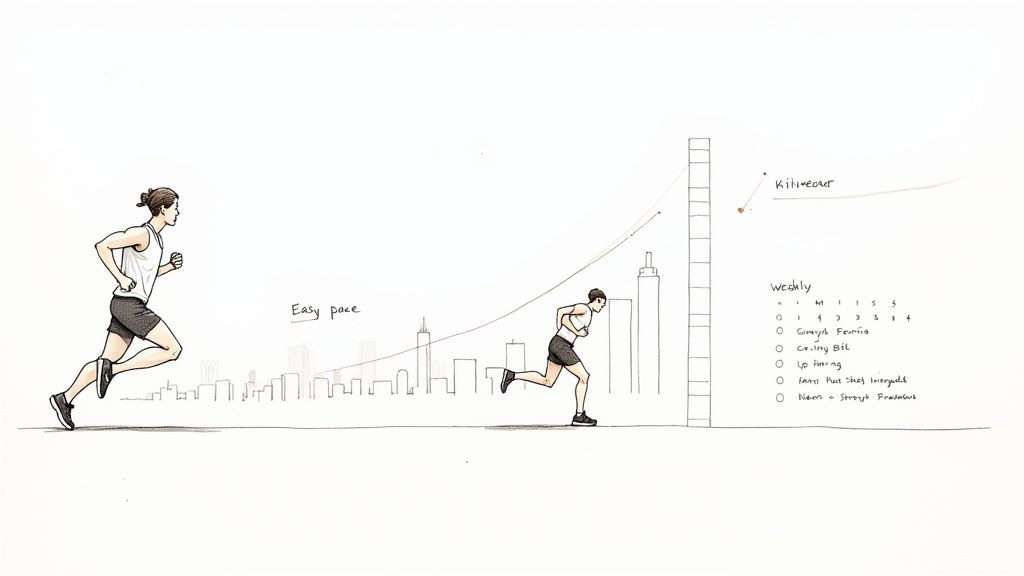
Before you think about running faster or tackling a marathon, you must build your foundation. This initial phase isn’t about pushing your limits; it’s about teaching your body to adapt to the regular stress of running. Every run is a brick, and over time, you build a strong, reliable structure. Skipping this step is a classic mistake that often leads to injury or frustration. Patience is your greatest asset here.
Consistency Over Intensity: The Golden Rule
To build your base, focus on how often you run and for how long, not how fast. Your goal at the start is to get out the door for your scheduled runs, even if they feel slow. The real magic that boosts endurance happens over months, not days.
Here’s what happens when you run consistently:
- More Capillaries: Your body builds more tiny blood vessels, creating a better delivery network for oxygen-rich blood to your muscles.
- Mitochondrial Boost: You grow more (and bigger) mitochondria—the powerhouses of your cells. This improves how efficiently you use oxygen to create energy.
- Stronger Tissues: Your ligaments, tendons, and bones become tougher and more resilient to the impact of running.
Trying to run too fast, too soon, short-circuits this process. Your heart and lungs might feel ready for more, but your musculoskeletal system takes longer to catch up. That mismatch causes common injuries like shin splints and runner's knee.
Action Step: Prioritise showing up for your runs over running fast. Run at a comfortable pace and gradually ask your body for a little bit more each week.
Gradually Increasing Your Weekly Mileage
The safest way to increase your running volume is the '10% rule'. It’s simple: do not increase your total weekly mileage by more than 10% from one week to the next. If you run 10 miles this week, aim for no more than 11 miles next week.
This slow-and-steady approach gives your body time to adapt without getting overloaded. To further bulletproof your body against injury, add strength work. Perform two sessions a week focusing on dynamic strength exercises to build power and resilience, making you better equipped to handle the increased running load.
Your First Month Running Endurance Plan
Use this simple schedule to safely build up your running volume while allowing enough time for recovery.
| Week | Monday | Tuesday | Wednesday | Thursday | Friday | Saturday | Sunday |
|---|---|---|---|---|---|---|---|
| Week 1 | Rest | Run 1.5 miles | Walk or cross-train | Run 1.5 miles | Rest | Run 2 miles | Rest |
| Week 2 | Rest | Run 1.5 miles | Walk or cross-train | Run 2 miles | Rest | Run 2 miles | Rest |
| Week 3 | Rest | Run 2 miles | Walk or cross-train | Run 2 miles | Rest | Run 2.5 miles | Rest |
| Week 4 | Rest | Run 2 miles | Walk or cross-train | Run 2.5 miles | Rest | Run 3 miles | Rest |
As you can see, the increases are small and manageable, giving your body the best possible chance to adapt and get stronger.
The Importance of Proper Running Form
Establishing good running form from day one is a game-changer for efficiency and injury prevention. Apply these cues on your runs:
- Run Tall: Imagine a string pulling you up from the crown of your head. This keeps your posture upright and prevents slouching, which can restrict breathing.
- Quick, Light Steps: Aim for a cadence of around 170-180 steps per minute. This encourages your foot to land under your centre of gravity, reducing impact and braking forces.
- Relax Your Upper Body: Let go of tension. Keep your hands unclenched and your shoulders down and relaxed. Wasting energy on a tense upper body means less power for your legs.
Nailing these fundamentals is how you build the cardiovascular endurance needed for more advanced training. To dive deeper into these principles, check out our full guide on how to build cardiovascular endurance.
Mastering Key Endurance Training Methods
Once you have a consistent running habit, it's time to add specific workouts designed to push your endurance. Just running the same distance at the same pace every week will lead to a plateau. To keep improving, you need to challenge your body in new ways. By mixing long runs, tempo efforts, and interval sessions into your weekly routine, you target different energy systems and become a more resilient runner.
The Long Slow Run: The Cornerstone of Endurance
The long, slow run (LSR) is the most important workout for improving running endurance. The goal is simple: spend a significant amount of time on your feet. It's not about speed; it's about duration.
Running at a slow, conversational pace for an extended period triggers key physiological changes. Your body becomes better at using fat for fuel, saving your glycogen stores. It also increases mitochondrial density and strengthens the slow-twitch muscle fibres essential for sustained effort.
Actionable Tip: Keep your long run pace genuinely easy. You should be able to hold a full conversation without gasping for breath. If you use a heart rate monitor, this usually falls into Zone 2. Do not get tempted to push the pace; the real benefits of the long run happen at a low intensity.
Tempo Runs: Finding Your Comfortably Hard Pace
Tempo runs make faster paces feel more manageable over longer distances. This workout involves running at a "comfortably hard" pace for a sustained period, typically between 20-40 minutes. This effort level is near your lactate threshold—the point where your body produces lactic acid faster than it can clear it.
Training at this intensity teaches your body to clear lactate more efficiently. This raises your threshold, meaning you can run faster for longer before fatigue sets in. It’s a game-changer for race performance, from a 5K to a marathon.
Here is a classic tempo workout to try:
- Start with a 10-15 minute warm-up of easy jogging.
- Run for 20 minutes at your tempo pace (a pace you could sustain for about an hour in a race).
- Finish with a 10-15 minute cool-down of easy jogging.
Action Step: Find your tempo pace—a sweet spot between a comfortable jog and an all-out sprint. It should feel challenging and require focus, but you should never feel like you're about to fall apart. Maintain this controlled, steady effort for the duration.
For instance, a runner with a 50-minute 10K personal best might aim for a tempo pace around 5:15-5:25 per kilometre.
Interval Training: Sharpening Your Top-End Speed
Interval training involves short, sharp bursts of high-intensity running separated by periods of recovery (jogging or walking). These sessions are tough but deliver incredible fitness gains quickly. The biggest benefit of intervals is their impact on your VO₂ max—the maximum amount of oxygen your body can use during intense exercise.
A higher VO₂ max means your cardiovascular system is more efficient at delivering oxygen-rich blood to your working muscles. Intervals push your heart, lungs, and muscles to their peak, triggering adaptations you can't get from slower, steady runs. Dive deeper into the science in this guide on how to improve VO₂ max.
Here is a simple interval session to try at a track or park:
- Warm-up: Start with 15 minutes of easy jogging, followed by dynamic stretches.
- Main Set: Run 6 x 400 metres (one lap of a standard track) at a hard but controlled pace, faster than your 5K race pace.
- Recovery: After each 400-metre effort, jog or walk for 400 metres to let your heart rate settle.
- Cool-down: Finish with 15 minutes of easy jogging to help flush out metabolic waste.
By weaving these three distinct training methods into your week, you create a balanced plan. The long run builds your foundation, the tempo run improves sustainable speed, and intervals boost your top-end fitness.
Fuelling for Long Distance Performance
Think of your body like a performance car—it won’t get far on an empty tank. How you eat and drink directly impacts your ability to improve running endurance. Good nutrition provides energy, while smart hydration prevents fatigue. Mastering your fuelling strategy is as crucial as any workout.
What to Eat Before Your Run
Fuelling up before a run, particularly a long one, is about topping off your glycogen stores. This is your body's readily available energy source. Heading out with low glycogen is asking to hit "the wall" too early.
Action Step: Have a small, easy-to-digest, carbohydrate-rich snack about 60-90 minutes before you run. Avoid foods high in fibre, fat, or excessive protein, as they can cause digestive issues.
Solid pre-run snack ideas:
- A banana with a spoonful of peanut butter
- A small bowl of porridge with honey
- A piece of toast with jam
- A handful of dates or a simple fruit smoothie
Experiment to find what works best for you.
Fuelling During Your Long Runs
Once your runs extend beyond 90 minutes, your glycogen stores will start to deplete. To maintain energy levels, you need to refuel on the move.
Action Step: Aim to consume 30-60 grams of carbohydrates per hour of running. Use convenient sources like energy gels, chews, or sports drinks.
Treat your long runs as a dress rehearsal for race day. Use this time to practise your fuelling strategy. Test different gels, nail your timing, and train your gut to handle carbs while running. Avoid surprises on the big day.
For a two-hour run, have your first energy gel around the 45-minute point, followed by another every 30-45 minutes. This consistent energy drip-feed prevents crashing.
This infographic breaks down the key training sessions where you can perfect this fuelling strategy.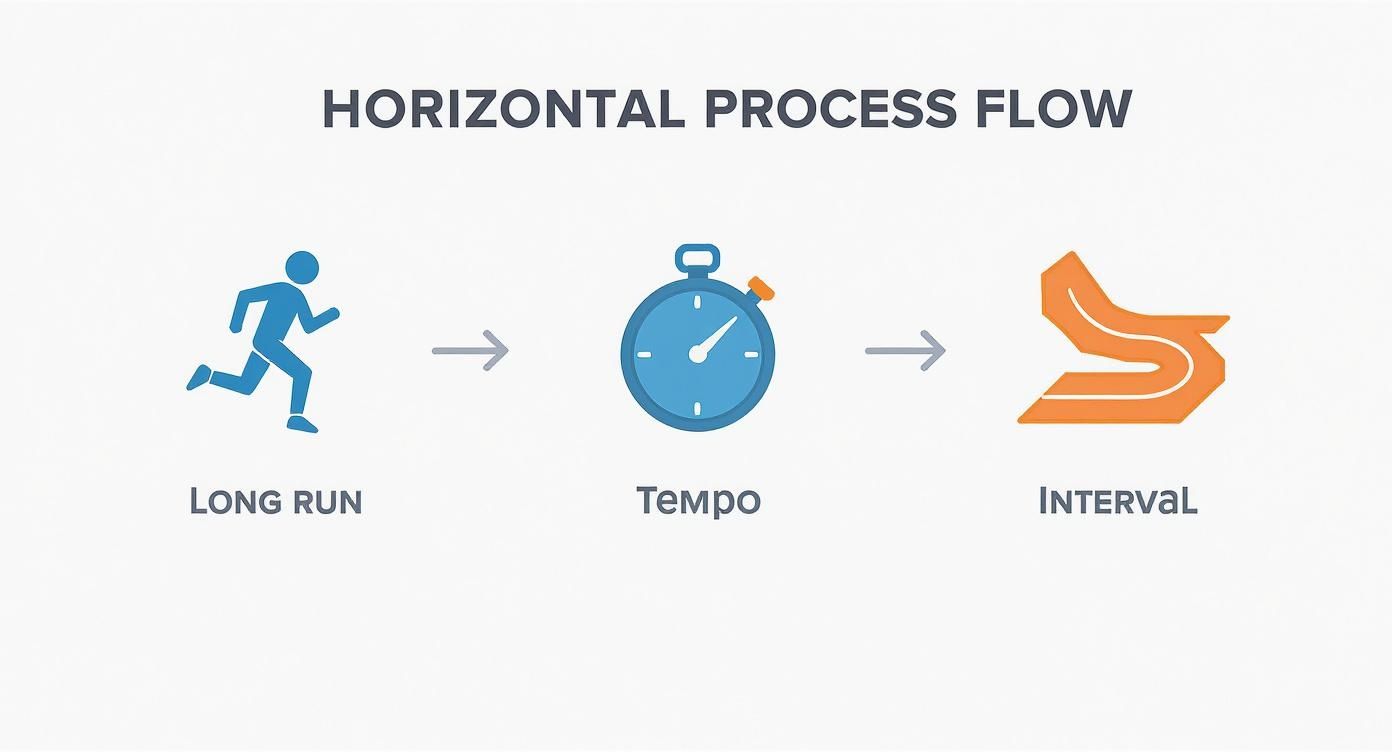
Each type of training—long runs, tempo sessions, and intervals—puts a unique strain on your body, making consistent fuelling critical for success.
Staying Hydrated for Peak Performance
Hydration is vital. Even a small drop in hydration, as little as 2% of your body weight, can severely hamper performance. Good hydration is a cornerstone of running long distances, making a quality handheld water bottle for running an essential piece of kit. On runs longer than an hour, especially in warmer weather, you need to replace not just water but also electrolytes like sodium lost through sweat. This is why many sports drinks contain a blend of carbohydrates and electrolytes.
Post-Run Recovery Nutrition
What you eat after your run is about recovery. Your two main goals are to replenish depleted glycogen stores and provide protein to repair muscle tissue.
Action Step: Consume a snack or meal containing both carbohydrates and protein within 30-60 minutes of finishing. This is the "anabolic window," when your body is primed to absorb nutrients and start the recovery process.
Great post-run recovery options:
- Chocolate Milk: Offers a near-perfect ratio of carbs to protein.
- Greek Yoghurt with Berries: Provides a solid protein hit and replenishes carbs.
- A Smoothie with Protein Powder: A quick and easy way to get everything you need.
- Chicken and Rice: A complete meal for recovery after a tough session.
Proper nutrition isn't just about pre- and post-run meals. A consistently balanced diet full of whole foods is the foundation that supports your training. For more inspiration, check out these foods that boost stamina.
Prioritising Recovery to Prevent Injury
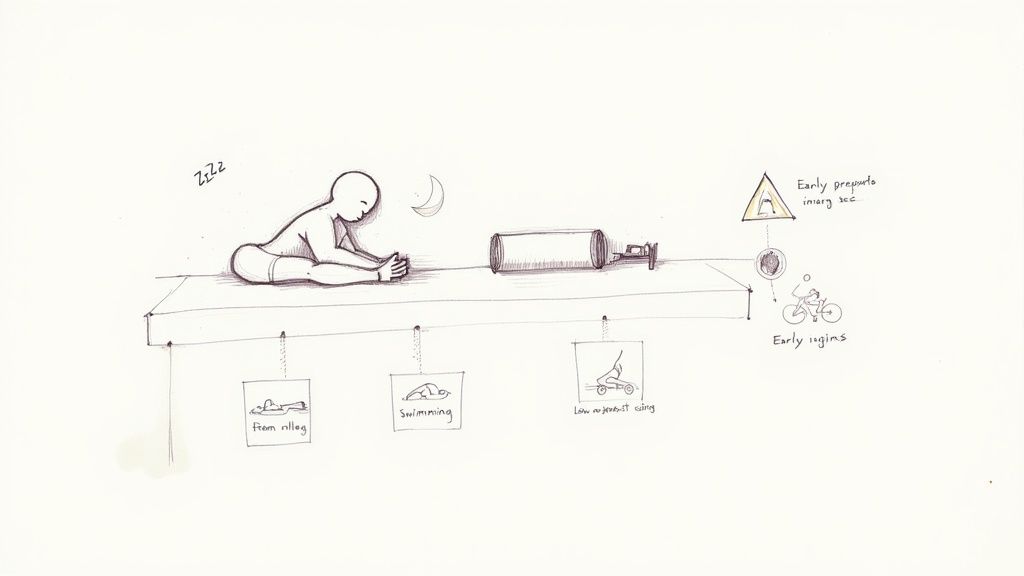
Real running endurance is forged in the hours you spend recovering. Pushing harder and harder is a fast track to injury and burnout. Rest isn't a break; it’s an active, non-negotiable part of your training. Recovery allows your muscles, tendons, and nervous system to repair and come back stronger. This is when your hard-earned training adaptations happen.
The Power of Quality Sleep
Sleep is your most powerful recovery tool. During deep sleep, your body releases human growth hormone (HGH), which is vital for repairing muscle tissue. Skimping on sleep disrupts this process, increases inflammation, and leaves you feeling exhausted.
Action Step: Aim for 7-9 hours of quality sleep every night. Stick to a consistent sleep schedule, even on weekends. Wind down by switching off screens an hour before bed and ensure your bedroom is cool, dark, and quiet.
Active Recovery and Low-Impact Cross-Training
The day after a tough run doesn't have to be spent on the sofa. Active recovery involves light, low-impact movement that gets blood flowing to tired muscles, helping to flush out metabolic waste and reduce soreness.
Effective active recovery methods:
- Foam Rolling: Spend 10-15 minutes targeting major muscle groups like your quads, hamstrings, and calves to ease tightness.
- Gentle Stretching: Focus on light dynamic or gentle static stretches to improve flexibility and relieve tension.
- Low-Impact Cross-Training: Biking or swimming keeps your cardiovascular system active without the pounding of running, giving your joints a break.
Remember, recovery days are a strategic investment in your long-term running success. A well-rested body is a strong body.
For example, after a long Sunday run, a gentle 30-minute bike ride on Monday will leave you feeling far fresher for a Tuesday speed session than if you had done nothing.
Essential Injury Prevention Strategies
To improve endurance, you must run consistently. This makes injury prevention your top priority. Small, proactive habits keep you healthy.
Action Steps for Injury Prevention:
- Warm-Up: Before every run, spend 5-10 minutes on dynamic movements like leg swings, walking lunges, and light jogging.
- Cool-Down: After every run, dedicate 5-10 minutes to a cool-down walk and gentle static stretching.
- Listen to Your Body: Learn the difference between general tiredness and the first signs of injury. Do not run through sharp pains or niggles that persist. Catching an issue early with rest and ice can prevent it from becoming a major problem that sidelines you for months.
Fine-Tuning Your Engine for Peak Endurance
Once you’ve built a solid base, dialled in your recovery, and figured out your fuelling, it's time for smarter running. By using precise pacing strategies and evidence-based supplements, you can unlock a new level of performance. These are small, strategic tweaks that add up to big gains.
Training with a Heart Rate Monitor
Stop guessing and start using a heart rate monitor. Pacing by feel is a good skill, but data provides certainty. It ensures your easy days are genuinely easy—a common mistake for runners—and your hard days are just hard enough for the right adaptation. Each heart rate zone maps to a percentage of your maximum heart rate (Max HR) and delivers a different training benefit.
Heart Rate Training Zones for Runners
This table breaks down the five zones, how they should feel, and what you achieve in them.
| Zone | Intensity (% Max HR) | Feeling / Perceived Exertion | Primary Benefit |
|---|---|---|---|
| Zone 1 | 50-60% | Very light, easy walking | Active recovery, warms up muscles |
| Zone 2 | 60-70% | Conversational, all-day pace | Builds aerobic base, improves fat utilisation |
| Zone 3 | 70-80% | Comfortably hard, controlled | Improves aerobic fitness, lactate threshold |
| Zone 4 | 80-90% | Hard, breathless | Increases lactate threshold, improves speed |
| Zone 5 | 90-100% | All-out, unsustainable | Develops max speed and power (VO₂ max) |
Actionable Tip: The vast majority of your weekly mileage, especially long slow runs, should be in Zone 2. This is your aerobic engine room, where you build a massive base without causing excessive fatigue. Your tempo runs will push you into Zones 3 and 4, while interval sessions will spike you into Zone 5 for short bursts.
Smarter Supplementation for Energy and Recovery
While your diet is primary, carefully chosen supplements can give your body an edge in energy production and recovery. This is about using specific, well-researched compounds to complement your hard work.
Shilajit is gaining attention in endurance circles. This natural resin is packed with fulvic acid and over 85 trace minerals. As an adaptogen, it helps your body cope with stress. For a runner, this can mean more efficient energy metabolism and better resilience to high-mileage training.
Action Step: Consider an adaptogen like Shilajit to support your body's natural energy pathways. It works behind the scenes to help manage fatigue, potentially allowing you to handle a bigger training load over time without burning out.
Other compounds worth investigating:
- Ashwagandha: Another powerful adaptogen known for its ability to lower the stress hormone cortisol. Better stress management and improved sleep are golden for any runner focused on recovery.
- Lion’s Mane: This medicinal mushroom offers cognitive benefits. It can help you stay sharp and focused, a huge advantage when mental fatigue kicks in on long runs.
Think of these supplements as a support crew, providing key resources your body needs to adapt and get stronger.
Endurance Running: The Long Game
Building endurance is a long-term project. The history of running is full of incredible feats. Back in the 1740s, a runner named Thomas Carlisle ran 21 miles in 2 hours—a mind-blowing display of stamina for that era. These stories remind us that the core principles of endurance—consistency and drive—are timeless. You can dive deeper into the fascinating history of running performance here.
Today, we pair that determination with a deeper understanding of training, nutrition, and recovery. By mastering tools like heart rate training and considering supportive, evidence-based supplements, you tap into a long tradition of human endurance with all the advantages of modern knowledge.
Got Questions About Endurance Training? We've Got Answers.
Even with a perfect plan, questions arise. Here are answers to common queries from runners.
How Long Until I Actually Feel a Difference?
Most runners feel a noticeable shift in their endurance within 4 to 6 weeks of consistent training. However, major, lasting changes are built over months and years. Your starting fitness, training frequency, diet, and recovery quality all play a massive role. A beginner might feel more comfortable in a few weeks, while a seasoned runner trying to break a plateau may need a longer, more focused training block. Patience and consistency are key.
Should I Bother With Strength Training for Endurance?
Yes, absolutely. Strength training is a secret weapon for better endurance and injury prevention. It’s not about getting bulky; it’s about building a more resilient, efficient running body. Compound movements build power and improve running economy, meaning you burn less energy at the same pace. A strong core is also a game-changer for maintaining good form when you get tired.
Action Step: Add two strength sessions per week. Focus on your legs, glutes, and core with moves like squats, lunges, deadlifts, and planks to build a powerful foundation for running longer and stronger.
What's the Biggest Mistake Most Runners Make?
The biggest mistake is doing too much, too soon. A sudden burst of motivation leads to tripling mileage and hammering easy days. This all-or-nothing approach almost always ends in burnout, constant fatigue, and overuse injuries that stop you in your tracks.
The key to long-term improvement is gradual, sensible progression. Follow the '10% rule'—don't increase weekly mileage by more than ten percent—to keep yourself in check. It’s also crucial to ensure your easy runs are genuinely slow and at a conversational pace. This allows your body to recover and build the solid aerobic base needed for real endurance.
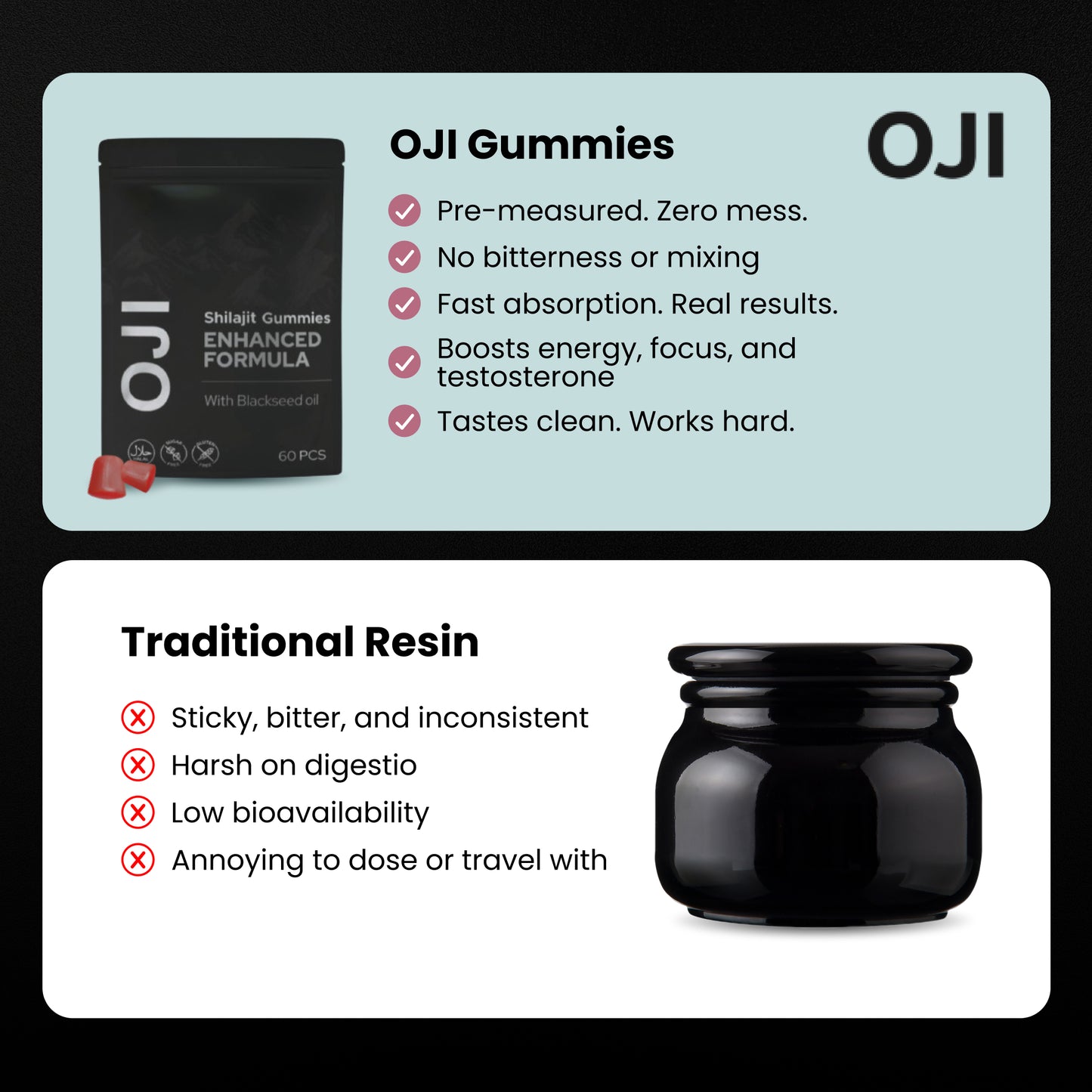
At Oji, we know that hitting your peak comes from supporting your body from the inside out. Our Shilajit gummies, packed with adaptogens like Ashwagandha and Lion's Mane, are designed to support your natural energy, help manage stress, and boost recovery. Give your training the natural edge it deserves by visiting https://myoji.co.uk to learn more.