
Feeling like you're constantly running on empty isn't something you just have to accept. The real path to how to increase energy levels naturally isn't about chasing quick fixes, but about building solid, sustainable habits. This is your blueprint for addressing the root causes of fatigue and restoring your vitality from the inside out.
Your Blueprint for Lasting Natural Energy
Persistent fatigue is more than just feeling tired; it’s a real barrier that tanks your productivity, sours your mood, and holds you back. It's easy to reach for a coffee or a sugary snack for a quick jolt, but this leads to a nasty crash later, creating a cycle that’s hard to break.
The secret to unlocking sustained energy lies in getting back to basics. Instead of searching for a single magic solution, the most effective approach is to make small, consistent tweaks to your daily routine.
The Four Pillars of Natural Energy
To move the needle on your energy levels, focus on mastering these interconnected habits:
- Optimise Sleep Quality: Go beyond just clocking in eight hours. Make sure the rest you get is genuinely deep and restorative.
- Implement Strategic Nutrition and Hydration: Fuel your body properly to keep blood sugar stable and sidestep afternoon energy slumps.
- Incorporate Smart Movement: Use physical activity to generate energy at a cellular level, not just burn it off.
- Manage Stress and Circadian Rhythms: Stop the constant drain that comes from mental and emotional pressure.
By dialling in these four pillars, you create a powerful system that supports your body’s natural ability to produce and maintain energy. If you want to dig even deeper into fighting fatigue, explore these proven tips and strategies to boost energy and focus.
The goal here isn't a quick burst of energy. It's about building a resilient system that delivers lasting vitality. Every small change you make builds on the last, creating powerful momentum that gets you closer to feeling your best, every single day.
Master Your Sleep for All-Day Stamina
If you're serious about boosting your energy levels naturally, start with your bedroom. High-quality sleep isn't a luxury; it's the absolute foundation of your physical and mental stamina. This is when your body repairs tissues, cements memories, and recharges for the day ahead.
Think of your energy like a bank account. All day, you make withdrawals. Sleep is the crucial nightly deposit that tops up your balance. If you consistently get poor sleep, you start every day in the red, leading to fatigue, brain fog, and reaching for another coffee to get through the afternoon.
This timeline shows how every healthy habit builds on the last to create genuine, sustained energy, starting with sleep.
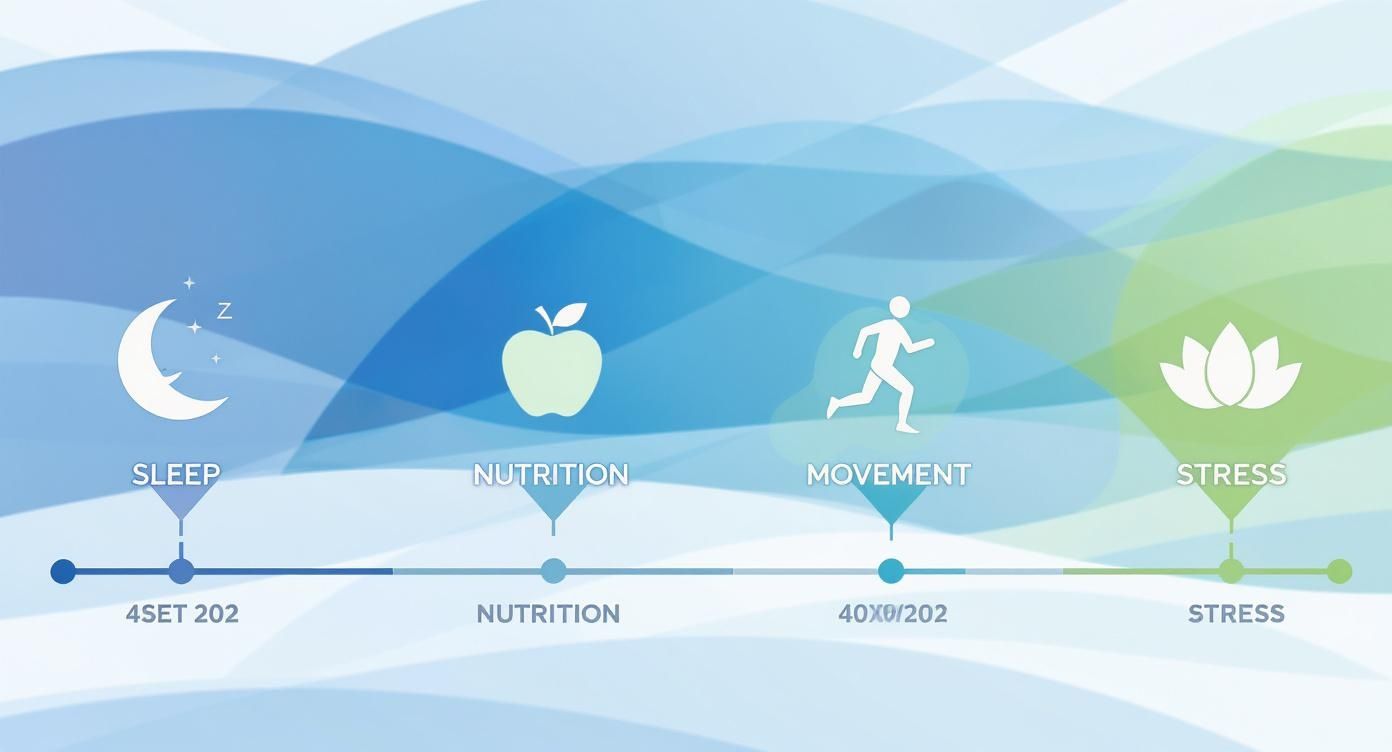
Getting your sleep right is step one. It sets the stage for everything else—nutrition, movement, and stress management—to actually work.
Align With Your Natural Rhythm
Your body runs on a precise internal 24-hour clock called the circadian rhythm, which dictates your sleep-wake cycle and energy fluctuations. Fighting against it is a guaranteed recipe for feeling drained.
To support this rhythm, maintain a consistent sleep schedule. Aim to go to bed and wake up at roughly the same time every day—yes, even on weekends. This simple habit reinforces your body's internal clock, making it easier to drift off at night and wake up feeling refreshed.
Recent UK research drives this point home. A 2024 report from the Sleep Council found that 61% of UK adults getting a solid 7-9 hours of sleep feel more alert during the day. In contrast, only 32% of those sleeping less than 6 hours could say the same. What’s more, 44% of people who stick to a regular sleep schedule report having fewer energy slumps.
Craft a Sleep-Promoting Evening Routine
Your actions in the hours before bed send powerful signals to your brain. A smart evening routine lowers stress hormones like cortisol and encourages your body to produce melatonin, the hormone that signals sleep.
A simple but powerful rule: an hour before bed, make it a screen-free zone. The blue light from phones, tablets, and computers suppresses melatonin, tricking your brain into thinking it's still daytime. Swap scrolling for something relaxing.
Use this simple timeline of actions to build a better wind-down routine.
| Time Before Bed | Action | Reasoning |
|---|---|---|
| 2-3 Hours | Finish your last meal. | Avoids indigestion and blood sugar spikes that can interfere with sleep. |
| 1-2 Hours | Take a warm bath or shower. | The drop in body temperature after you get out helps trigger sleepiness. |
| 1 Hour | Switch off all screens. Dim the lights. | Reduces blue light exposure and signals to your brain that it's time to wind down. |
| 30 Mins | Read a physical book or listen to calm music. | Allows your mind to disengage from the day's stresses without stimulation. |
| 10-15 Mins | Do some light stretching or meditation. | Calms the nervous system and releases physical tension. |
These small, consistent steps can make a world of difference. For nights when you need extra help, botanicals can be beneficial. We cover some great options in our guide to https://myoji.co.uk/blogs/news/natural-sleep-aids.
Optimise Your Sleep Environment
Your bedroom should be a sanctuary for rest. To achieve this, create a space that is dark, quiet, and cool.
First, tackle the light. Use blackout curtains or an eye mask to block out any external light. Cover or remove electronics with glowing displays, as even a tiny pinprick of light can disrupt your sleep cycle.
Next, turn down the thermostat. The ideal temperature for sleep is between 16-18°C. A cooler room helps your core body temperature drop naturally, a key part of falling into a deep sleep. Finally, manage noise with earplugs or a white noise machine to drown out disruptions.
Mastering these basics is a game-changer. For an even deeper dive, check out these 7 proven tips for improving sleep quality naturally.
Fuel Your Body for Sustained Vitality
What you eat directly dictates your energy levels. Food is the fuel for your body's engine. The right fuel provides a slow, steady release of power, while the wrong choices send you on a rollercoaster of energy spikes and crashes.
This isn't about restrictive diets. It's about making strategic choices to build a solid foundation of energy and sidestep the dreaded mid-afternoon slump for good.

Build Your Meals Around the Energy Trio
For rock-solid energy, center every meal on three key players: complex carbs, lean protein, and healthy fats. Each has a specific job in managing how your body produces and uses energy.
- Complex Carbohydrates: Choose the good stuff found in oats, brown rice, and sweet potatoes. They break down slowly, giving you a consistent stream of energy that lasts for hours.
- Lean Protein: Protein not only repairs tissue but also slows down how fast your body absorbs carbs. Add chicken, fish, beans, or lentils to your meal to defend against the energy crash that often follows a carb-heavy dish.
- Healthy Fats: Foods like avocados, nuts, and olive oil are incredibly energy-dense. They keep you feeling full and satisfied, providing long-lasting fuel that carries you to your next meal.
Combining these three is the secret to balanced, energy-boosting meals. For a closer look at specific ingredients, check out our guide on the top foods that fight fatigue.
Hydration Is Non-Negotiable
That sluggish, foggy feeling is one of the first signs of dehydration. When you're low on water, your blood volume decreases, forcing your heart to work harder to pump oxygen and nutrients. It’s no wonder you feel drained.
The link between diet, hydration, and energy is undeniable. The UK National Diet and Nutrition Survey found that people eating at least five portions of fruit and veg daily report 30% higher energy levels. With 27% of UK adults not drinking the recommended 6-8 glasses of water a day, it's clear dehydration is a widespread energy thief.
Here's an actionable tip: keep a reusable water bottle on your desk. Having it in your line of sight is a powerful nudge to keep sipping throughout the day, long before you feel thirsty.
Smart Swaps to Sidestep the Sugar Crash
Processed foods and sugary snacks are notorious for a quick energy hit followed by an even quicker crash. The refined sugars cause a sharp drop in blood sugar that leaves you feeling more tired than before.
You don't have to cut out all your favourite treats. Make a few simple swaps to improve your energy stability.
| Instead of This... | Try This... |
|---|---|
| Sugary Cereal | A bowl of porridge with berries and nuts |
| Crisps | A handful of almonds or roasted chickpeas |
| Fizzy Drinks | Sparkling water with a slice of lemon or lime |
| Chocolate Bar | An apple with a tablespoon of peanut butter |
These swaps work because they are balanced. The fibre, protein, and healthy fats slow down sugar absorption, giving you the smooth, sustained energy you’re looking for.
By focusing on whole foods, proper hydration, and balanced meals, you give your body the high-quality fuel it needs to thrive.
Use Smart Movement to Generate More Energy
To get more energy, you have to spend some. The right kind of movement doesn’t drain your reserves; it actively helps your body produce more energy at a cellular level. It’s about ‘smart movement’—fitting in physical activity that leaves you feeling invigorated, not wiped out.
When you exercise, your body increases the number of mitochondria in your cells. Think of these as tiny power plants. More mitochondria mean a greater capacity to generate energy, translating to less fatigue and more stamina.
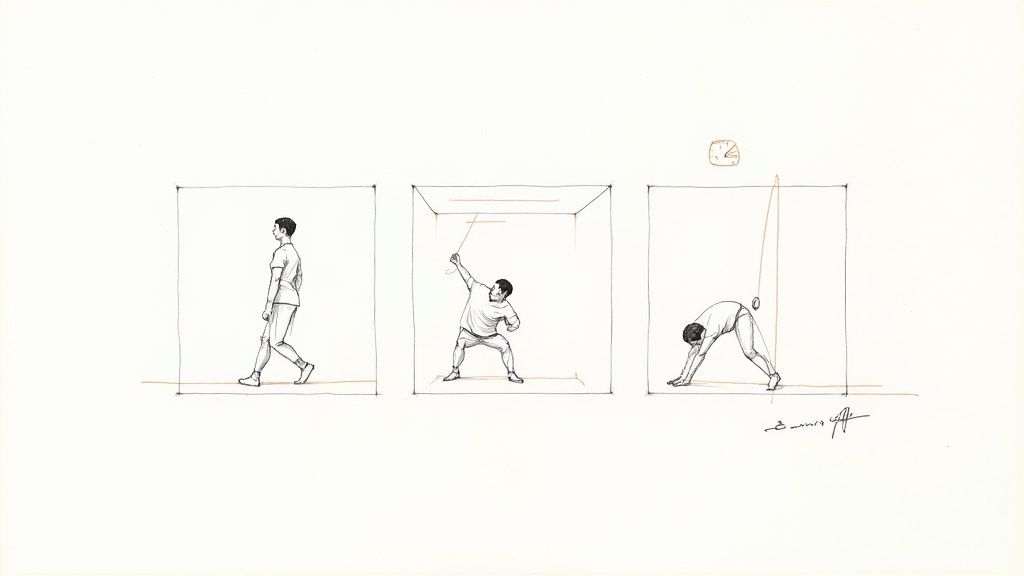
This isn't just theory; it's backed by evidence. Research from Public Health England shows that adults who get at least 150 minutes of moderate activity a week report feeling 25% more energetic daily. If you want to dive deeper, you can review the physical activity guidelines for adults.
Find Your Energising Activity
The best exercise for boosting energy is the one you’ll actually do consistently. You don’t need an expensive gym membership or a punishing training schedule. The goal is simple: get your heart rate up and your blood flowing.
Try one of these activities:
- Brisk Walking: A quick 30-minute walk, especially outdoors, works wonders for your mood and melts away sluggishness.
- Cycling: Whether on a stationary bike or local paths, cycling is a fantastic low-impact activity for cardiovascular health and sustained energy.
- Strength Training: Lifting weights or using your bodyweight for exercises like squats builds muscle. More muscle means a higher resting metabolism, so you burn more energy even when you’re not moving.
- Yoga or Tai Chi: These practices combine movement with breathing and mindfulness, excellent for tackling stress—a massive energy drain—while improving flexibility and circulation.
Find something you genuinely enjoy. When it feels less like a chore, you’re far more likely to stick with it.
Master the Art of Exercise Snacking
Too busy for a full 30-minute workout? "Exercise snacking" is a game-changer. Break up your activity into short, manageable bursts throughout the day.
A simple 10-minute walk can boost your energy levels by up to 15% for the next couple of hours.
Reframe exercise as a series of small energy deposits you make throughout your day. A quick walk around the block after lunch is far better than doing nothing at all.
Sprinkle movement into a packed schedule with these actions:
| Time of Day | Actionable Tip |
|---|---|
| Morning | Do 10 minutes of stretching or simple bodyweight exercises (like squats and lunges) right after waking up to kick-start your metabolism. |
| Lunch Break | Use 15 minutes of your break for a brisk walk outside. This gets you moving and provides a much-needed mental reset. |
| Afternoon Slump | When you feel that 3 p.m. energy dip, stand up and do a few sets of jumping jacks or climb a few flights of stairs. |
These small actions add up, prevent stagnation, and help keep your energy levels much more stable.
Timing Your Movement for Maximum Benefit
When you exercise can be just as important as how. Align workouts with your body's natural energy patterns to get more out of your efforts without risking burnout.
A morning workout is fantastic for shaking off grogginess and setting you up with sharp focus. Getting morning light during an outdoor walk also helps lock in your circadian rhythm.
An afternoon workout can be a powerful antidote to the midday slump. Your body temperature and hormone levels often peak in the late afternoon, making it a great time for more intense activities. By making smart, intentional movement a regular habit, you're not just burning calories—you're building a more resilient and energetic version of yourself.
Manage Stress to Stop Energy Leaks
Chronic stress is one of the biggest energy thieves. It keeps your body in a constant state of high alert, pumping out the stress hormone cortisol. Over time, this drains your physical and mental resources, leaving you wiped out.
Think of it like a computer program constantly running in the background and using 90% of your processing power. Managing stress is about closing that program, stopping the energy leak, and freeing up your resources.
Understand Your Circadian Rhythm
Your body’s internal clock, or circadian rhythm, governs your energy and alertness levels all day. Working with this rhythm is a powerful way to keep your energy topped up.
Light exposure is a massive driver of this rhythm. Get 10-15 minutes of natural sunlight within the first hour of waking up. This simple act resets your internal clock, signals that the day has begun, gives you an immediate alertness boost, and sets you up for better sleep.
By aligning your daily activities with your natural energy flow, you stop wasting precious mental fuel on fighting your own biology. This is a foundational step in learning how to increase energy levels naturally.
Implement Practical Stress-Reduction Techniques
You don’t need a week-long retreat to manage stress. Small, consistent actions built into your daily routine can lower cortisol and plug energy leaks. The goal is to calm your nervous system and shift it out of fight-or-flight mode.
Here are a few simple techniques to start today:
- Box Breathing: Inhale for a count of four, hold for four, exhale for four, and hold again for four. A couple of minutes of this can calm your nervous system when you feel overwhelmed.
- Strategic Breaks: Step away from your desk for five minutes every hour. Physically get up, stretch, or look out a window to prevent mental burnout.
- Mindful Moments: Take a moment to focus on a single sensory experience, like the warmth of your cup of tea or the feeling of your feet on the floor. This brief pause can ground you in the present.
For a deeper dive into managing daily pressures, our guide offers more ideas for natural stress relief.
Structure Your Day for Peak Performance
Most of us have natural peaks and troughs in our energy levels. Recognise your own pattern and structure your day to avoid burnout from pushing through a slump.
Many people find their focus is sharpest in the morning, making it the perfect time for tasks needing real concentration. The mid-afternoon dip is better suited for routine things like answering emails.
Try a simple framework like this:
| Time of Day | Energy Level | Suggested Tasks |
|---|---|---|
| Morning (9 am - 12 pm) | High | Tackle your most important, challenging, or creative work. |
| Afternoon (1 pm - 3 pm) | Lower | Handle administrative tasks, collaborative work, or less demanding activities. |
| Late Afternoon (3 pm - 5 pm) | Rising | Use this second wind for planning, organising, or wrapping up the day. |
By working with your body's energy flow, you can get more done with less effort. This strategic approach stops you from draining your reserves and helps you end the workday feeling accomplished, not exhausted.
Common Questions About Natural Energy
As you start making changes, it's normal for questions to arise. Knowing what to expect makes it easier to stay on track. Here are answers to some common queries about boosting energy naturally.
How Long Does It Take to Naturally Increase Energy Levels?
The answer depends on the changes you make. Some tweaks provide an almost instant lift, while building lasting energy is a slower process that rewards consistency.
For example, drinking a glass of water when you feel sluggish can make you feel better in under an hour. A quick, 10-minute walk can provide a noticeable jolt that lasts for a couple of hours.
More foundational changes take more time:
- Sleep Hygiene: After one to two weeks of a consistent sleep schedule and a better evening routine, most people report feeling significantly more refreshed upon waking.
- Dietary Changes: When you cut back on processed sugars, you might feel a dip at first. Stick with it. Within a few weeks, your energy will become far more stable, without afternoon slumps.
- Regular Exercise: You’ll get a post-workout buzz straight away, but the feeling of having more all-day energy usually builds over 4 to 6 weeks as your body builds more mitochondria.
See these as lifestyle shifts, not quick fixes. Every good choice builds on the last, creating a powerful foundation for real, lasting vitality.
Can Supplements Really Boost My Energy Naturally?
Yes, the right supplements can be brilliant allies for energy, but they should support, not replace, healthy habits. They work best once you’ve already started sorting out your sleep, nutrition, and movement.
Certain nutrients are vital for turning food into cellular fuel. If you're low on minerals like iron or magnesium, or vitamins like B12, fatigue is almost a given. Correcting those deficiencies can be a game-changer.
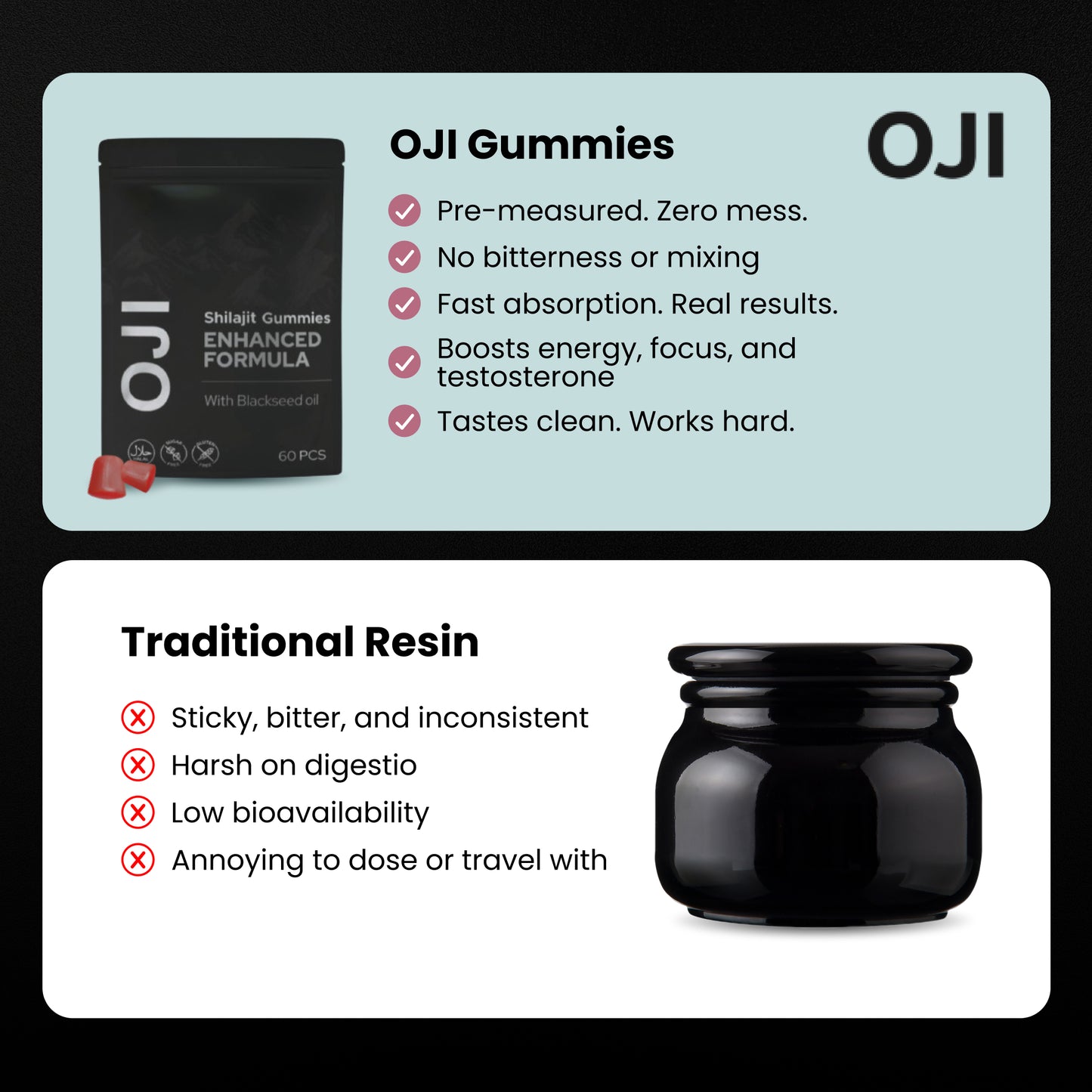
Then you have adaptogens—natural botanicals that help your body handle stress, a massive energy thief. A perfect example is Shilajit, a mineral-rich resin used in traditional wellness for centuries. It's loaded with fulvic acid and over 85 trace minerals believed to support mitochondrial function—the tiny power stations inside your cells. When your mitochondria are happy, your body produces energy more effectively. Be sure to choose high-quality supplements and talk to a healthcare professional before starting anything new.
Why Do I Feel Tired Even After a Full Night's Sleep?
Waking up exhausted after a full night's sleep almost always points to poor sleep quality, not just quantity. A few things could be wrecking your rest without you knowing.
Fragmented sleep is a common culprit. Dozens of tiny interruptions throughout the night can stop you from getting into deep, restorative sleep. This can be caused by anything from traffic noise to a bedroom that’s too warm.
A wonky circadian rhythm is another big one. If your sleep and wake times are inconsistent, your internal body clock gets confused. You can be in bed for eight hours and still wake up feeling groggy. Finally, high levels of the stress hormone, cortisol, can mess with your natural sleep cycles, leading to light, unrefreshing rest.
Is It Better to Exercise in the Morning or Afternoon?
The best time to exercise for energy is whenever you'll do it consistently. That said, different times of day offer different perks, depending on your personal daily rhythm.
- Morning Exercise: A workout first thing is fantastic for shaking off grogginess and sharpening your focus. The morning light also helps lock in your circadian rhythm.
- Afternoon Exercise: Exercising between 2 p.m. and 6 p.m. is a brilliant strategy for beating the midday slump. Your physical performance can be at its peak as your body temperature is often at its highest.
Evening workouts can be great for melting away stress, but avoid anything too intense within an hour or two of bed, as it can make it harder to wind down. Experiment to see what leaves you feeling the most energised.
Ready to support your body's natural energy production at a cellular level? The adaptogens and minerals in Oji Shilajit are formulated to enhance vitality, improve focus, and build resilience against stress. Discover how our enhanced Shilajit gummies can complement your healthy habits and help you unlock your full potential.