

The Hidden World Of Trace Minerals Your Body Craves
Think of your body as a complex machine, with countless interconnected parts. Trace minerals are like the tiny screws and bolts that hold everything together and keep it running smoothly. We often hear about the importance of major minerals like calcium and magnesium, but these unsung heroes play a crucial role in your overall health, even though we only need them in small amounts.
What makes these trace minerals so vital? It's their involvement in a vast array of bodily functions. Imagine iron, for example. It's like the delivery truck of your bloodstream, carrying oxygen to every cell in your body. Without enough iron, you might feel constantly tired and weak, much like a truck struggling to deliver its cargo.
Zinc, on the other hand, is like the foreman of a construction site, vital for building and repairing tissues, especially for a healthy immune system. If your zinc levels are low, your body's ability to heal wounds and fight off illness can be significantly compromised, like a construction project stalled due to a lack of supervision.
But the story doesn't end there. Selenium acts as a powerful antioxidant, think of it as your body's internal security system, protecting your cells from damage caused by free radicals. Chromium helps regulate blood sugar, keeping your energy levels stable and preventing those afternoon slumps.
These examples illustrate how interconnected our health truly is. Each trace mineral plays a specific role, and a deficiency in one can have a ripple effect on other systems. You can dive deeper into the benefits of trace minerals in our dedicated article: benefits of trace minerals.
Unfortunately, modern diets and farming practices often mean our food isn’t as rich in trace minerals as it once was. This is where trace mineral supplements can be particularly helpful, bridging the gap and ensuring your body gets the nutrients it needs to thrive, especially in places like the UK where dietary habits and environmental factors can contribute to these shortfalls.
Why Britain Faces A Silent Mineral Crisis
Imagine biting into a picture-perfect apple, only to find it tasteless and watery. Disappointing, right? This, sadly, reflects a larger issue with our food – it often looks the part but lacks the nutritional punch it once had. This is especially concerning when we talk about trace minerals, the essential nutrients often overlooked in our diets.
These vital minerals are like the tiny screws and bolts in a complex machine – small but crucial for everything to run smoothly. And in Britain, we’re facing a growing, yet silent, crisis: a widespread lack of these important nutrients. Our busy lives, our love of processed foods, and even the declining mineral content of our soil all play a role.
Think about it: our grandparents' food likely came from richer soil, packed with a wider variety of minerals. Today's intensive farming methods often strip the earth of these vital nutrients, leaving our food less nutritious. So, even if we're diligently eating our fruits and vegetables, we might still be missing out on key trace minerals.
Unmasking The Symptoms Of Mineral Deficiency
This mineral shortfall isn't always obvious. It can show up as persistent tiredness, that foggy feeling in your head, or a weakened immune system that seems to catch every cold going around. These might seem like everyday complaints, but they could be your body's way of saying it needs more trace minerals.
For example, iron deficiency is a common issue, especially for young women in the UK. This can lead to anaemia, causing fatigue, dizziness, and pale skin. Older adults often have trouble absorbing zinc, which is vital for a strong immune system and healing. This can make them more prone to infections and slow down their recovery.
The Growing Demand For Trace Mineral Supplements
As more people become aware of these deficiencies, the demand for trace mineral supplements has risen in the UK. The vitamins and minerals supplement market, which includes these important trace mineral products, is a big part of the UK health industry. In 2025, this market reached a staggering US$836.97 million in revenue. Research shows that mineral deficiencies are prevalent in specific groups, like young women and the elderly, leading to targeted marketing and new product development. Discover more insights about the UK vitamin and mineral market.
This increasing demand shows that people are realizing that modern diets might not be enough to provide all the trace minerals our bodies need to thrive. While whole foods should always be the foundation of a healthy diet, supplements can help fill in the gaps and address specific deficiencies, allowing us to live healthier, more energetic lives.
Food-First Approach To Mineral Rich Living
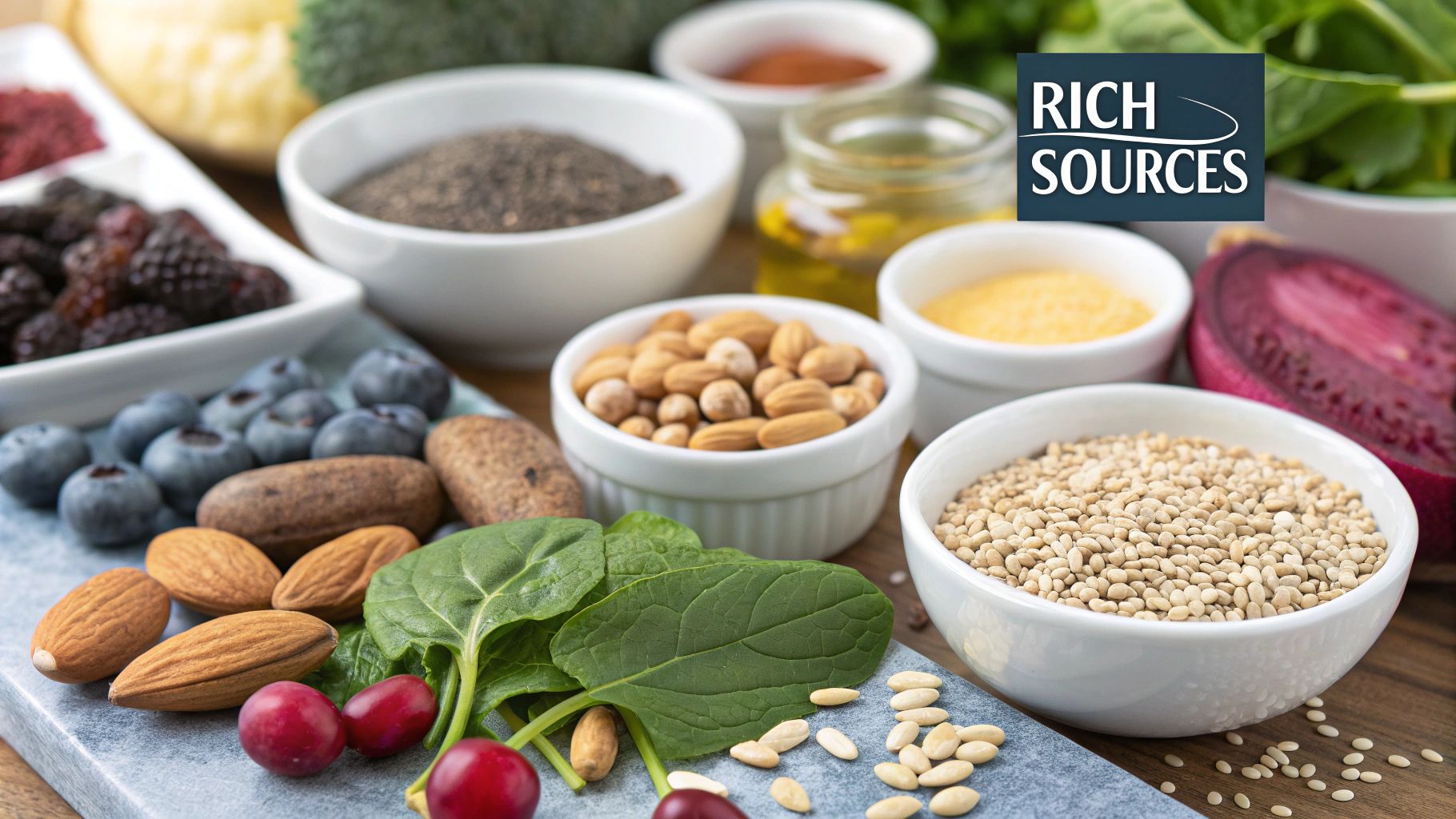
Before we even think about supplements, let's talk about the amazing sources of trace minerals we can find right here in the UK. Think of your body like a high-performance car. Just as a car needs the right fuel and oil, our bodies rely on these essential trace minerals to run smoothly.
Unveiling Mineral Powerhouses in Your Kitchen
Let's take oysters, for example. Did you know just one oyster can pack more zinc than most people consume in an entire week? Zinc is essential for a strong immune system, making oysters a real nutritional powerhouse. Similarly, just two Brazil nuts can provide your daily dose of selenium. Selenium is a potent antioxidant that helps protect your cells from damage.
And here's another surprising fact: certain vegetables can actually offer more iron than red meat. Leafy greens like spinach and kale, while sometimes tricky for our bodies to absorb all their iron, can significantly boost your intake, especially when paired with vitamin C-rich foods. Try squeezing some lemon over your spinach salad – the vitamin C helps your body unlock the iron in the spinach.
By making smart choices with readily available UK foods, we can build a solid mineral foundation. A balanced diet full of diverse whole foods is the first and best defence against mineral deficiencies.
Seasonal Eating and Smart Food Combinations
Knowing which foods contain these essential minerals is just the first step. We also need to understand how to maximize their absorption and incorporate them into our meals effectively. For instance, pairing iron-rich foods with a source of vitamin C drastically improves iron uptake. On the flip side, some food combinations can actually hinder absorption.
Think of it like this: calcium and iron compete for absorption in your gut like two teams vying for a ball. Calcium, often the "stronger team," can sometimes block iron from being absorbed. This means that planning our meals strategically can make a real difference in how much benefit we get from the nutrients we consume.
Seasonal eating also plays a crucial role. The UK's seasonal produce offers a fantastic variety of mineral-rich options. Eating seasonally not only means enjoying food at its peak flavour but also maximizing its nutrient content. This approach naturally aligns your diet with the ebb and flow of mineral availability throughout the year. Ultimately, prioritizing whole foods builds a strong nutritional base before we even consider targeted supplementation like trace mineral supplements to address any specific needs.
To illustrate this further, let's take a look at the trace mineral content of some common UK foods:
Top UK Food Sources For Essential Trace Minerals A comprehensive comparison of common UK foods and their trace mineral content per serving
| Food Source | Key Trace Minerals | Amount per Serving | Bioavailability Rating |
|---|---|---|---|
| Oysters | Zinc, Copper | High in Zinc, Moderate in Copper | Varies depending on preparation |
| Brazil Nuts | Selenium | High | High |
| Spinach | Iron, Magnesium | Moderate in Iron, Moderate in Magnesium | Iron bioavailability can be low, magnesium moderate |
| Kale | Iron, Manganese | Moderate in Iron, High in Manganese | Iron bioavailability can be low, Manganese moderate |
| Lentils | Iron, Zinc | High in Iron, Moderate in Zinc | Iron bioavailability can be improved by pairing with Vitamin C |
| Mackerel | Selenium, Iodine | High in both | High |
This table highlights the rich variety of trace minerals available in common UK foods. Notice how certain foods excel in specific minerals. Oysters, for example, are packed with zinc, while Brazil nuts are a great source of selenium. It also underscores the importance of considering bioavailability, as seen with iron in spinach and kale.
By incorporating a variety of these foods into your diet, you can ensure a good intake of essential trace minerals. Remember, a balanced and diverse diet is the cornerstone of good health.
Navigating The Supplement Maze Like A Pro

Walking into a store's supplement aisle can be overwhelming. Countless bottles promise amazing results, but how can you tell which trace mineral supplements are genuinely effective? This guide will help you decipher labels and choose products that actually deliver.
Decoding The Label: What Really Matters
First things first: ignore the marketing hype and focus on the ingredients. Seek out chelated minerals. These minerals are bound to amino acids, which act like a chaperone, escorting them efficiently into your bloodstream. Unchelated minerals, on the other hand, might not be absorbed as well.
Think of it like this: chelated minerals have a backstage pass to your body’s concert, while regular minerals are stuck waiting in the general admission line.
Also, pay attention to the source. Amino acid complexes and whole food concentrates are often preferable because they resemble how minerals exist in nature. Imagine the difference between eating a handful of almonds and taking a vitamin E pill. Your body recognizes and utilizes nutrients more effectively from whole foods. Newer technologies like liposomal encapsulation may enhance absorption, but more research is needed to understand their full impact.
This brings us to bioavailability. It's not simply about the amount of a mineral in the supplement, it’s about how much your body can actually absorb and use. A supplement may have high mineral content but low bioavailability, meaning you’re not getting your money’s worth.
Separating The Effective From The Expensive
With rising health awareness, the UK supplement market, including trace mineral supplements, is experiencing significant growth. In 2024, the market was valued at USD 3.13 billion, and it's projected to reach USD 8.19 billion by 2034, a CAGR of 10.1%. Discover more insights about the UK dietary supplements market. While this growth is exciting, it also creates an environment where ineffective or even harmful products can thrive.
Protect yourself by looking for signs of quality. Third-party testing and certifications from trusted organizations offer independent verification of a product’s contents and purity. Be wary of products with exaggerated claims or those lacking a clear ingredient list.
Finding Your Perfect Mineral Match
We’re all different, and our bodies react to supplements differently. What benefits your friend may not work for you. Understanding your personal needs is key.
Factors like age, gender, activity level, and existing health conditions play a role. A young athlete may require more zinc than a less active older adult. Someone with digestive issues might find liquid or chelated minerals easier to absorb. You might be interested in: Nature's Powerhouse in a Gummy: Discover Oji Shilajit Gummies.
When starting a new supplement, begin with a low dose and observe how your body reacts. Note any positive changes or potential side effects. Don’t hesitate to adjust the dosage or switch products if needed. Finding the right trace mineral supplement is a personal journey. It requires experimentation to discover what truly supports your unique body and lifestyle.
Mastering Your Personal Dosing Strategy
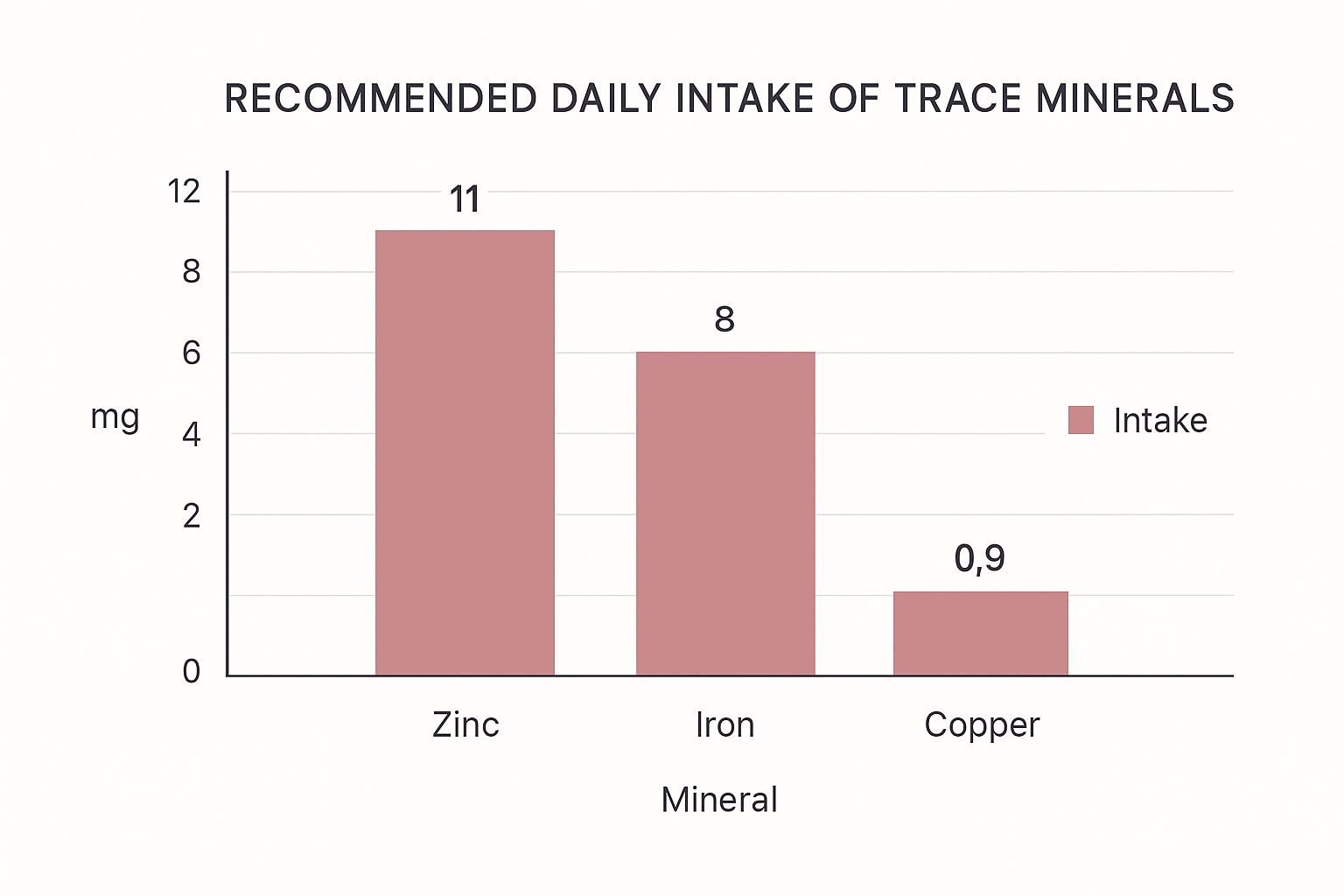
This bar chart gives us a snapshot of the recommended daily intake for three key trace minerals: zinc, iron, and copper. Notice the difference in amounts? Zinc comes in at 11mg, iron at 8mg, and copper significantly lower at 0.9mg. This highlights why a personalized approach to trace mineral supplements is so important – a one-size-fits-all solution just won't cut it. While these numbers offer a good starting point, everyone's needs are unique.
Think of it like finding the right pair of shoes. A size 9 might be the average, but some people need an 8, some a 10, and some might even need a wide fit. Similarly, your optimal dose of trace minerals depends on a variety of factors.
Factors Influencing Your Optimal Mineral Strategy
So, what goes into determining the ideal amount of trace minerals for you? Several factors come into play. Just like a doctor considers your medical history before prescribing medicine, you need to understand your own body's context.
- Age and gender: A growing teenager has different nutritional needs than a senior, and men and women also have different requirements.
- Activity level: A marathon runner sweats out more minerals than someone with a less active lifestyle. This increased loss needs to be replenished.
- Digestive health: Certain conditions can affect how well your body absorbs nutrients, requiring adjustments to your supplement strategy.
- Current medications: Some medications can interact with supplements, either reducing their effectiveness or causing unwanted side effects.
Timing, Synergy, and Competition: The Intricacies of Mineral Interactions
It's not just how much you take, but also when and how you take it. The timing of your supplement intake can significantly impact absorption. Some minerals are best absorbed on an empty stomach, while others do better with food. This is all down to the complex chemistry happening in your gut.
Some minerals, like zinc and iron, can actually compete for absorption. Taking them together can decrease the amount of each that your body takes in. Imagine two people trying to squeeze through a doorway at the same time – one might block the other!
On the other hand, some nutrients work beautifully together. Vitamin C, for example, boosts iron absorption. Combining them is like having a key that unlocks the door, allowing iron to enter your body more efficiently.
Real-World Examples: Tailoring Dosage to Life Stages
Let's paint a clearer picture with some real-world scenarios. A young, active adult might need more zinc for muscle growth and repair, while a senior might prioritize calcium and magnesium for bone health. A woman with heavy menstrual periods might need extra iron to prevent anemia.
Before we go further, let's look at some general guidelines. The table below outlines recommended daily amounts and upper safe limits for some key trace minerals. Remember, these are just guidelines, and your individual needs may vary. Consulting with a healthcare professional is always recommended.
Recommended Daily Amounts For Key Trace Minerals
| Trace Mineral | Adult Men (19-64) | Adult Women (19-64) | Seniors (65+) | Upper Safe Limit |
|---|---|---|---|---|
| Zinc | 11mg | 8mg | 11mg | 40mg |
| Iron | 8mg | 18mg | 8mg | 45mg |
| Copper | 0.9mg | 0.9mg | 0.9mg | 10mg |
This table provides a helpful overview of recommended intakes and upper limits for these important nutrients. It's a reminder that balance is key when it comes to supplementation.
Starting Safely and Avoiding Common Pitfalls
When starting any new supplement, it's best to start low and go slow. Begin with a smaller dose than the maximum recommended amount and gradually increase it as needed. This allows your body to adjust and minimizes the risk of any side effects. It's like testing the water temperature before jumping into a pool.
Regularly check in with how you're feeling. If you have any concerns, talk to a doctor or other healthcare practitioner. Trace mineral supplements are meant to supplement a healthy diet, not replace it. The foundation of wellness always starts with nourishing whole foods.
Choosing Supplements That Actually Work
So, you're looking into trace mineral supplements? It's great that you're taking an active role in your health! But let's be honest, the supplement market can feel like a jungle sometimes. How do you know what actually works? This section will give you the knowledge you need to choose wisely.
Decoding Quality and Bioavailability
Think of your body as a complex machine. It needs the right fuel, and that includes trace minerals. But simply swallowing a pill doesn’t guarantee your body will use those minerals. That's where bioavailability comes in – it’s how well your body can actually absorb and use a nutrient. Imagine offering your body a locked treasure chest full of nutrients. Without the key (bioavailability), it can't access the riches inside! Chelated minerals, bound to amino acids, are often a good choice. The amino acid acts like a VIP pass, helping the mineral bypass the body’s usual absorption hurdles.
Another crucial factor? The manufacturing process. Some manufacturers cut corners, resulting in products with impurities or inconsistent mineral levels. Look for third-party testing certifications – it’s like getting a seal of approval from an independent expert, confirming the product's quality and purity.
The demand for trace mineral supplements is growing rapidly. The global market is projected to hit USD 5.91 billion by 2029, growing at a CAGR of 5.7%. The UK market is even more enthusiastic, with growing interest in gluten-free, vegan, and allergy-friendly options. Discover more insights about the trace mineral supplement market. This growing interest shows how more and more people are recognizing the importance of trace minerals for optimal health.
Innovative Delivery Methods and Whole-Food Approaches
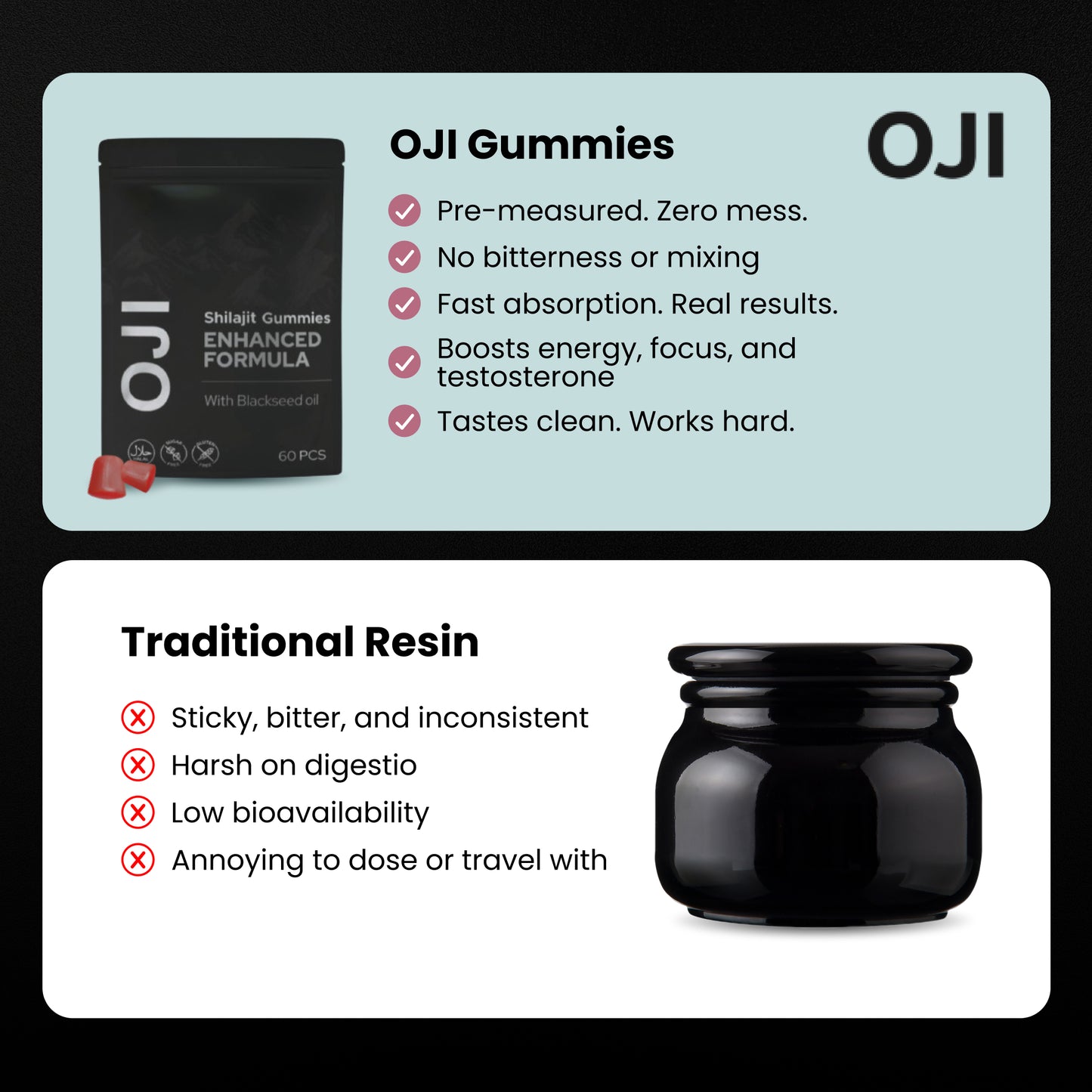
Trace mineral supplements come in many forms – from traditional tablets and capsules to liquids and even gummies. Each format has its own set of advantages and disadvantages. Liquids, for example, are often absorbed more quickly than tablets, while gummies provide a tasty and convenient alternative.
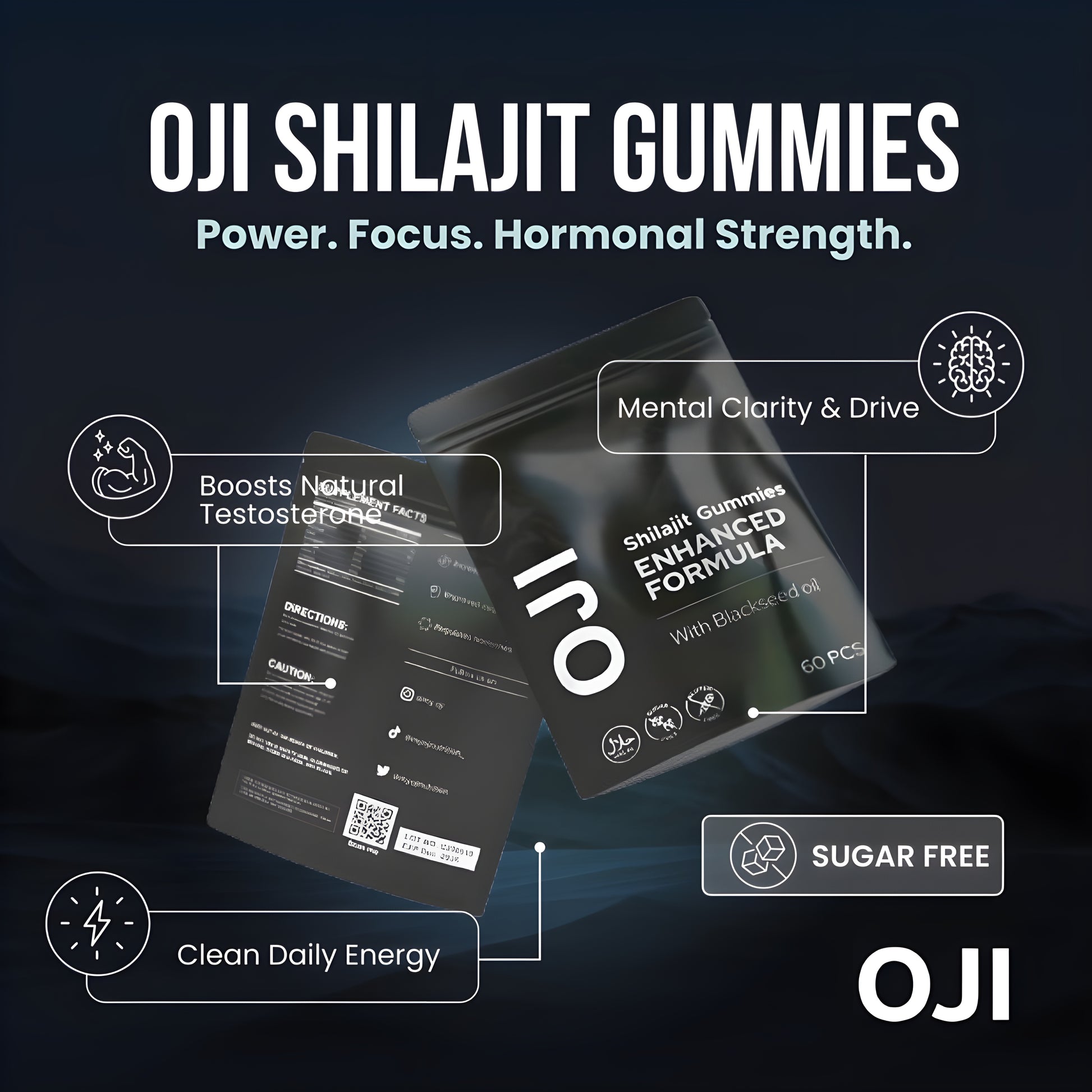
One intriguing option is Oji Shilajit, a whole-food approach to supplementation. It offers a naturally occurring blend of over 85 trace minerals, fulvic acid, and antioxidants. This means the minerals work together synergistically, just like they do in nature. The screenshot below shows the Oji Shilajit website:
The Oji Shilajit website highlights its natural sourcing and rich mineral content. The convenient gummy format makes it easy to incorporate into your daily routine. You might find this interesting: Shilajit Benefits: Boost Energy & Wellness Naturally.
Spotting Red Flags and Making Informed Choices
Beware of supplements with exaggerated claims or vague ingredient lists. If something seems too good to be true, it probably is. Look for clear information about dosage, sourcing, and manufacturing practices.
Don't assume that a high price tag equals superior quality. Some expensive supplements might have poor bioavailability, making them ineffective. On the other hand, some affordable options offer excellent value. Focus on quality, bioavailability, and a formula that fits your specific needs.
Empowering Yourself Through Knowledge
Armed with this knowledge about bioavailability, manufacturing quality, delivery methods, and potential red flags, you can confidently navigate the world of supplements. Choose trace mineral supplements that support your individual needs and health goals. Don't hesitate to ask questions and consult with a healthcare professional. Your informed choices empower you to take control of your health and experience the benefits of optimal trace mineral intake. Remember, finding the right approach for you is the key.
Your Complete Implementation Action Plan
We've talked about why trace minerals are so important, how common deficiencies are in the UK, and how to choose the right supplement. Now, let's figure out how you can get your trace minerals balanced.
Building Your Mineral Foundation: A Step-by-Step Guide
This isn't a sprint, it's a marathon. We're building a solid foundation for long-term health, much like laying the groundwork for a house. Here's the blueprint:
-
Assess Your Current Diet: Take a good, honest look at what you're eating. Are you getting a consistent variety of whole foods packed with trace minerals? How much processed food, which is often lacking in these vital nutrients, are you really consuming?
-
Identify Potential Gaps: Think about your age, how active you are, and any health conditions you might have. Where might you be falling short? For example, vegetarians and vegans often need to be more mindful of their iron and zinc intake.
-
Start Slowly and Observe: When you begin taking trace mineral supplements, start with a small dose and gradually increase it. Pay attention to how your body feels. This gentle approach helps avoid any digestive issues and lets you see how the supplement is working for you.
-
Prioritize Absorption: Just because you swallow a pill doesn't mean your body absorbs all of it. Think about things that can help or hinder absorption, like taking certain minerals with food or avoiding combinations that compete for uptake.
Tracking Progress and Making Adjustments
Like a gardener tending to their plants, you need to keep an eye on things to see how they're growing. Here’s how to monitor your progress:
-
Symptom Monitoring: Notice any shifts in your energy, mood, sleep, and overall how you feel. These observations can give you valuable clues about how your body is responding to the supplements.
-
Objective Testing: While not always necessary, you can work with a doctor to test your mineral levels. This gives you a more precise picture of your progress and is especially helpful if you suspect a deficiency or have existing health concerns.
-
Adjust as Needed: Don't be afraid to tweak your dosage, switch products, or talk to a healthcare professional if you hit a roadblock. Think of it like navigating a ship – you need to adjust your course based on the wind and currents.
Maintaining Long-Term Consistency: Tips and Tools
Consistency is the key to truly benefiting from trace mineral supplements. Here are a few ways to stay on track:
-
Establish a Routine: Make taking your supplements a regular part of your day, just like brushing your teeth or having your morning coffee. This makes it a habit and helps you remember.
-
Set Reminders: Use phone alarms, calendar reminders, or even sticky notes to remind yourself. These small reminders can make a big difference.
-
Track Your Progress: Keep a journal or use a tracking app to log your supplement intake and any changes you notice. This creates a valuable record of your journey and helps you stay accountable.
Ready to see how trace minerals can benefit you? Oji Shilajit offers a convenient and effective way to get these essential nutrients and support your well-being. Visit Oji Shilajit today to learn more.