
Hitting your 40s is more than just another birthday; it’s like getting a new owner’s manual for your body. This is where smart supplementation comes into play. For men over 40, it's a game-changer, helping to fill the nutritional gaps that diet alone might not cover anymore and supporting everything from your energy levels to hormonal health.
Why Your Body Needs Different Fuel After 40

Crossing the 40-year threshold is a genuine physiological milestone. What worked in your 20s and 30s just won't cut it anymore. Your body's engine needs a more specialised fuel blend and some fine-tuning to keep it at its best. Taking action now means you can adapt to these changes and maintain your vitality.
This shift happens because a few of your body's key systems start to change gears. Your metabolism, once a raging furnace, starts to burn a bit less fiercely. This natural slowdown can make it easier to put on weight and tougher to build or even hang on to lean muscle.
Hormonal and Metabolic Shifts
One of the biggest changes is the gradual decline in testosterone. It's not an overnight plummet, but a slow and steady dip that can affect your energy, mood, muscle mass, and libido. To understand this natural process, you can dig into the typical changes in testosterone levels by age in our detailed guide.
At the same time, your body’s ability to pull essential nutrients from the food you eat can become less efficient. This sets up a tricky situation: your need for certain vitamins and minerals actually goes up, right when your ability to get them from your diet starts to go down.
This is where nutritional gaps start to appear. Even with a really solid diet, you might not be getting the ideal amounts of crucial nutrients like Vitamin D, magnesium, or B vitamins—all of which are vital for producing energy and keeping your cells healthy.
The Rise of Proactive Health Management
Men are more clued-in about these age-related changes than ever before, leading to a more hands-on approach to wellbeing. Market research is clear: men over 40 are increasingly seeking out specialised supplements to tackle fatigue, stress, and that metabolic slowdown. This isn't just about fixing problems as they arise; it's about actively managing your health to maintain your vitality for the long haul.
Your first step is to recognise that your body has new requirements. Supplementation isn't a substitute for a good diet and regular exercise—that's your foundation. Instead, think of it as the essential toolkit for fine-tuning your engine, making sure you have the power and stamina to thrive for years to come.
The Foundational Supplements Every Man Over 40 Needs
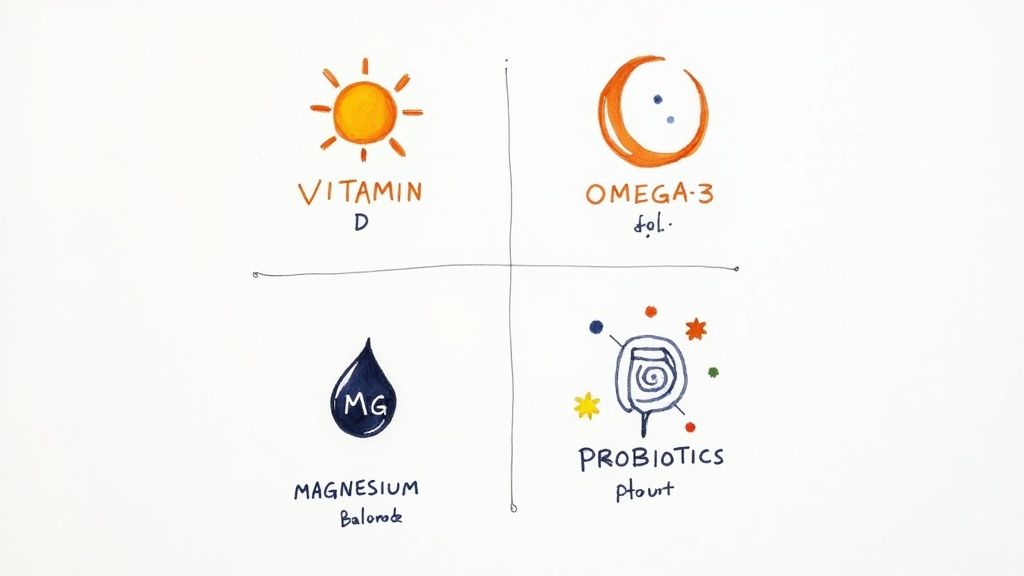
Before you start chasing specific goals like more muscle or sharper focus, you need to get the basics right. Think of it as building a house – you wouldn't start hanging pictures before the foundations are solid. Your first action is to plug the most common nutritional gaps with a core set of supplements.
These aren't exotic performance enhancers; they're the essential toolkit for long-term health. They support the core systems—your immune response, heart, muscles, and gut—that keep you running strong. Getting these foundational pieces in place is the first real step towards taking back control of your health.
To make things simple, here's a quick look at the core four we're about to cover.
Foundational Supplements for Men Over 40
| Supplement | Primary Benefit | Recommended Daily Dosage (UK) |
|---|---|---|
| Vitamin D3 | Immune function, bone density, and mood regulation. | 1,000-4,000 IU (25-100 mcg) |
| Omega-3s (EPA/DHA) | Reduces inflammation, supports heart health and brain function. | 1,000-2,000 mg combined EPA/DHA |
| Magnesium Glycinate | Muscle relaxation, better sleep, and stress management. | 200-400 mg |
| Probiotics | Improves gut health, digestion, and nutrient absorption. | 10-20 Billion CFUs |
This table gives you a starting point, but let's break down exactly why each one is so crucial for men in their 40s and beyond.
Vitamin D: The Sunshine Vitamin
Living in the UK, it’s no secret that we don't get enough sun for a good chunk of the year. That's why Vitamin D is so vital. Its main job is helping your body absorb calcium, which is crucial for keeping your bones strong as you get older and the risk of osteoporosis creeps in.
But it’s about more than just bones. Vitamin D is a powerhouse for your immune system and plays a big role in regulating your mood. Ever feel sluggish or a bit down during the darker months? Low Vitamin D could easily be part of the problem.
Your action step is to choose a supplement that is Vitamin D3 (cholecalciferol). This is the same form your body makes from sunlight, so it's the most effective. To know exactly where you stand, use this guide to blood tests for vitamins and minerals to help you pinpoint any real deficiencies.
Omega-3 Fatty Acids: Your Brain and Heart Guardians
Omega-3s are what we call "essential" fats, meaning your body can't make them from scratch. You have to get them from food or a supplement. They are incredibly powerful anti-inflammatories, helping to cool down the low-level, chronic inflammation that drives so many age-related health problems.
The two most important types you'll hear about are EPA and DHA.
- EPA is your heart's best friend. It helps keep cholesterol and blood pressure in check.
- DHA is literally a building block for your brain and eyes. It’s essential for sharp thinking, good memory, and clear vision.
Your action step is to find a quality fish oil or algae-based omega-3 supplement that delivers a concentrated dose of both, giving your cardiovascular system and your brain the support they need to stay in top form.
Magnesium: The Master Mineral
Magnesium is a true workhorse. It’s involved in over 300 different processes in your body, from how your muscles contract to how your nerves send signals. Despite its importance, it's one of the most common deficiencies out there.
For any man over 40, getting enough magnesium is non-negotiable. It helps your muscles relax, preventing cramps and speeding up recovery after a workout. It also has a natural calming effect on the nervous system, which is a massive help for managing stress and getting a deep, restorative night's sleep.
Your action step is to choose Magnesium Glycinate. This form is fantastic because it’s easy for your body to absorb and it's gentle on your stomach, making it perfect for taking in the evening to promote relaxation and sleep.
Probiotics: Your Gut Health Allies
Your gut is home to trillions of bacteria, an entire ecosystem known as the microbiome. This internal world affects pretty much everything—your digestion, your immunity, and even your mood. As we get older, the delicate balance of good and bad bacteria can easily get thrown off.
Probiotics are simply the good guys. Supplementing with them helps restore that healthy balance in your gut. A well-functioning gut doesn't just mean better digestion; it means you absorb more nutrients from your food and your immune system is stronger. You can explore a broader range of supplements, including those covered in this guide on the best vitamins for men over 30, to build a comprehensive health plan.
By taking action to put these four cornerstones firmly in place, you’re not just patching holes. You're building a resilient foundation for years of energy, performance, and vitality.
Supplements to Enhance Performance and Vitality

Once your nutritional foundations are solid, you can start exploring targeted supplements to really elevate your game. This isn't just about the gym, either. It’s about optimising your energy, focus, and resilience for every corner of your life. These are the tools that help you operate at your peak, whether you're nailing a presentation or hitting a new personal best.
For men over 40, two powerful categories really stand out: cellular energy boosters and adaptogens. The first group fuels your body and brain at the most fundamental level, while the second helps you manage the daily grind that can drain your batteries.
Creatine Monohydrate for More Than Just Muscle
Hear the word "creatine," and you probably picture a bodybuilder. And while it’s one of the most heavily-researched and effective supplements for building strength, its benefits run much deeper—especially for men navigating their 40s and beyond.
Think of creatine as a portable battery charger for your cells. It helps your body rapidly regenerate ATP (adenosine triphosphate), which is the direct source of energy for almost everything you do. As we get older, our natural ability to recycle ATP can slow down. Supplementing with creatine gives your body a bigger, more accessible energy reserve to pull from.
Actionable Benefits of Creatine:
- Boosts Physical Stamina: It lets you push harder for longer during workouts. This is crucial for maintaining—or even building—lean muscle, which is the engine of your metabolism after 40.
- Sharpens Cognitive Function: Your brain is an energy hog. Creatine supports mental clarity and focus, and can even give short-term memory a lift, helping you stay on point during a demanding workday.
- Speeds Up Recovery: It helps your muscles repair after a tough session, meaning less soreness and a quicker return to your routine.
For anyone specifically concerned about age-related brain fog, exploring a functional medicine approach to cognitive health can offer even more targeted strategies.
Your action step is to take a daily dose of 3-5 grams of Creatine Monohydrate. It's flavourless and mixes easily into water, a protein shake, or even your morning coffee. Consistency is everything here; you must take it daily to see the benefits.
Ashwagandha for Stress Resilience and Hormonal Support
Life after 40 often piles on the responsibilities, and with them, the stress. Chronic stress sends cortisol levels soaring, which can wreck your energy, sleep quality, and testosterone levels. This is where an adaptogen like Ashwagandha can be a game-changer.
Adaptogens are natural compounds that help your body "adapt" to stress. Picture Ashwagandha as a thermostat for your stress response; when things get too frantic, it helps bring your system back towards a state of calm balance.
An adaptogen doesn’t get rid of your stress, but it makes you far more resilient to its damaging effects. By helping to regulate cortisol, it paves the way for better sleep, steadier energy, and a healthier hormonal environment.
Actionable Benefits of Ashwagandha:
- Reduces Stress and Anxiety: Studies have shown it can significantly lower cortisol, helping you feel calmer and more focused.
- Improves Sleep Quality: By soothing the nervous system, it can help you fall asleep faster and get more of the deep, restorative rest your body needs.
- Supports Healthy Testosterone: Chronic stress is a notorious testosterone killer. By getting cortisol under control, Ashwagandha indirectly supports your body's natural hormone production.
Your action step is to take a standard dose, usually between 300-600 mg of a standardised root extract each day. Many men find taking it in the evening is perfect for helping to unwind and switch off before bed.
How They Work Together in The Real World
Here is an actionable plan for a typical demanding week.
Start your day by adding 5 grams of creatine to your morning drink. This will help sharpen your focus for the back-to-back meetings and complex decisions ahead. You'll notice that instead of hitting that usual mid-afternoon wall of brain fog, you feel like you've still got plenty of mental fuel in the tank.
Later, take 500 mg of Ashwagandha with your evening meal. This helps you disconnect from the day's pressures, letting you be more present with your family. That night, you sleep more deeply, and your body gets the chance to properly recover and repair.
This combination creates a powerful synergy. The creatine provides the raw energy for high performance, while the Ashwagandha protects that energy by buffering you from the draining effects of stress. Together, they form a strategic duo for boosting both your daily output and your long-term vitality.
How to Choose Safe and Effective Supplements
Walking down the supplement aisle can feel like trying to solve a puzzle in the dark. With endless rows of bottles, each one promising to make you stronger, sharper, or more energised, it’s easy to get overwhelmed.
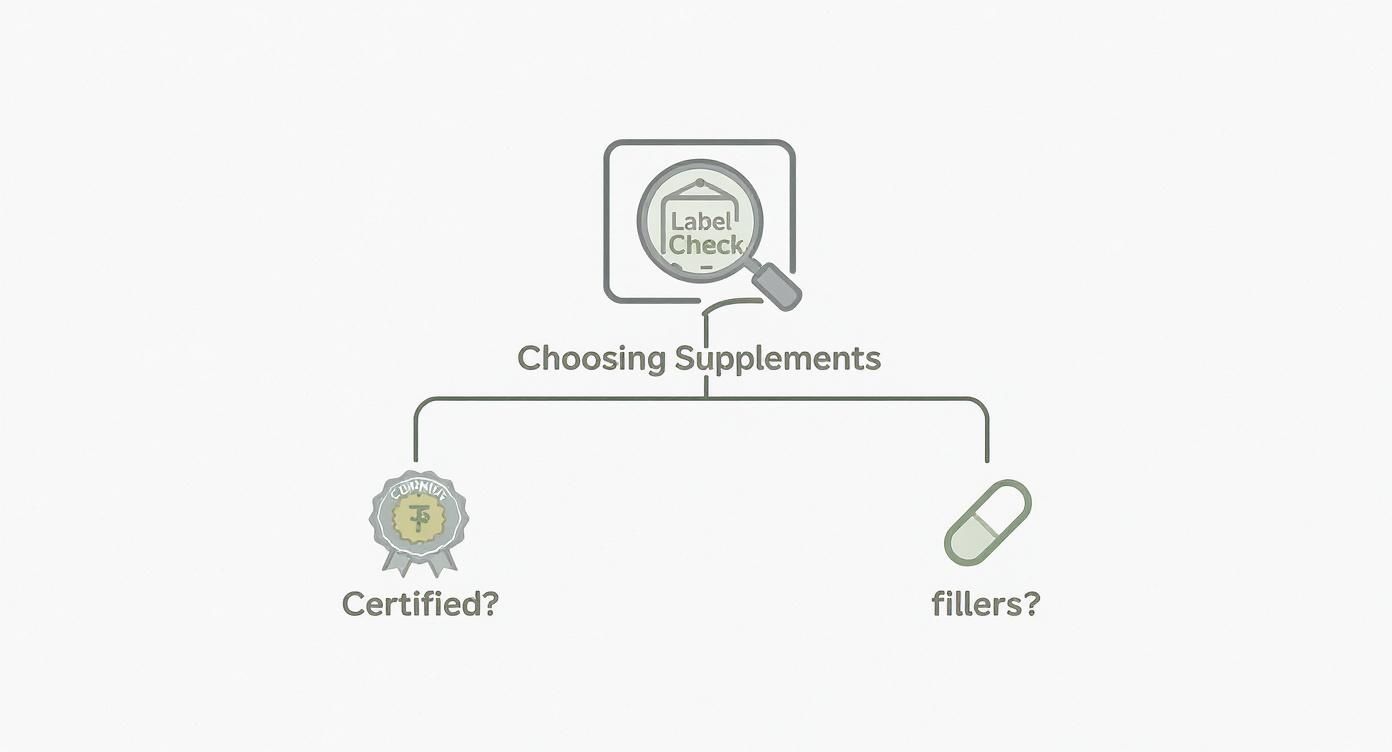
But here’s the good news: learning to spot high-quality, effective supplements is a skill. You just need to know what to look for. Your action plan should be to think like a detective. Ignore the flashy promises on the front of the bottle for a moment and flip it over. The ingredients list on the back is where the real story begins.
Decoding the Supplement Label
Think of a supplement label as the product's blueprint. A good one will be completely transparent, telling you not just what’s inside, but the specific forms and dosages of each ingredient.
For example, simply seeing "Magnesium" on a label doesn’t tell you much. Your action step is to look for specifics, like "Magnesium Glycinate" or "Magnesium Citrate". This detail is crucial because different forms have vastly different absorption rates. The label should also state the exact amount per serving, such as 200 mg, so you know precisely what you’re getting in each dose.
Next, take a look at the "other ingredients" section. This is where you’ll find any fillers, binders, or artificial additives. While some are needed to make a stable pill or capsule, a long list of chemical names you can't pronounce is a definite red flag. The best products usually have clean, minimal formulas.
The Non-Negotiable Role of Third-Party Testing
Here’s a fact that might catch you by surprise: the supplement industry isn’t regulated as strictly as pharmaceuticals are. This means a company's claims about purity and potency are often just their own word. That’s precisely why independent verification is so critical.
Third-party testing is your ultimate guarantee of quality. It means an independent organisation has tested the product to confirm that it contains what the label says it contains and is free from harmful contaminants.
It’s like having an unbiased inspector give the product a stamp of approval before you buy it. Your action step is to look for certifications from respected organisations as a clear sign that a brand is trustworthy. To get a better handle on this, you can read our detailed guide on third-party supplement testing and see why it’s so important for your health.
Keep an eye out for these logos on the packaging:
- NSF International: Verifies that the product contains what the label claims and ensures it’s free from unsafe levels of contaminants.
- Informed-Sport: A global quality assurance programme that tests every single batch of a product for banned substances before it’s sold.
- USP (United States Pharmacopeia): Confirms the product meets high standards for purity, potency, and quality manufacturing.
Choosing the Right Form for You
Supplements come in all shapes and sizes, and the best one for you often boils down to your lifestyle and how your body absorbs different nutrients.
Capsules vs. Powders
- Capsules are fantastic for convenience. They’re portable, tasteless, and give you a precise, pre-measured dose every time.
- Powders can be more cost-effective and offer flexible dosing. They’re a great choice for nutrients you need in larger amounts, like creatine or protein, and mix easily into drinks or smoothies.
The effectiveness of any supplement also hinges on its bioavailability—basically, how much of it your body can actually absorb and put to use. Some forms are just better at this than others. For example, chelated minerals (like our friend magnesium glycinate) are bound to amino acids, which makes them easier for your body to recognise and absorb.
Ultimately, becoming a savvy supplement buyer is a skill you can build. By learning to read labels, demanding third-party proof, and picking the right form for your needs, you can invest confidently in products that will genuinely support your health goals.
Building Your Personal Supplement Action Plan
Knowing which supplements might work is one thing. Actually turning that knowledge into a simple, daily routine that gets you results? That’s a whole different ball game. This is where we move from theory to action, crafting a plan that’s built around what you want to achieve.
Let’s be clear: a smart supplement strategy isn't about chucking every promising pill down the hatch. It's about being targeted. The goal is to build what’s known as a "stack"—a combination of supplements that work together to support a specific objective. Whether you're trying to crush that afternoon slump, feel more grounded under pressure, or bounce back faster from a tough workout, a structured plan is your best bet.
Start With Your Number One Goal
Before you even think about buying a single bottle, take this first action step: stop and ask yourself a simple question: "What is the one thing I want to improve right now?"
Get specific. "I want more energy" is okay, but "I want to stop feeling completely wiped out by 3 pm" is a much clearer target. Once you’ve nailed down your primary goal, you can build a small, focused stack around it. You can always add more later, but starting small makes it so much easier to figure out what’s actually working.
Think of it like this: You wouldn't rip out a car's entire engine to fix a little rattle. You’d find the most likely culprit, test it, and only then move on to the next thing. Your supplement plan should have that same common-sense logic.
Let's walk through a few sample frameworks for the kinds of goals men over 40 are often chasing. These aren't prescriptions, but they're great starting points to discuss with a healthcare professional who knows your personal health history.
Sample Supplement Stacks by Goal
Think of this table as a blueprint showing how different supplements can be layered for a greater, combined effect. This isn't a one-size-fits-all solution, but it illustrates how to combine nutrients to hit a specific target.
| Primary Goal | Core Supplement | Performance Enhancer | Supporting Nutrient |
|---|---|---|---|
| Sustained All-Day Energy | Vitamin B-Complex | Creatine Monohydrate | Coenzyme Q10 |
| Hormonal Balance & Stress | Vitamin D3 | Ashwagandha Root Extract | Zinc & Magnesium |
| Sharper Mental Focus | Omega-3 (High DHA) | Lion's Mane Mushroom | L-Theanine |
| Physical Recovery & Stamina | Magnesium Glycinate | Creatine Monohydrate | Omega-3 (High EPA) |
You can see the logic here. For example, a B-complex lays the groundwork for energy production, while creatine comes in over the top to offer a direct fuel source for your cells. It's all about synergy.
A Practical Three-Month Rollout Plan
When you're starting out, consistency beats intensity every time. Taking a phased approach keeps you from overwhelming your system and, just as importantly, helps you feel the real impact of each new addition.
Here is an actionable plan for a man whose main goal is to boost his energy and mental focus.
Month 1: Laying the Foundation
The first month is all about getting the basics right. We’re putting foundational nutrients in place that support your body's overall function.
- Morning Action: Take a high-quality multivitamin or a dedicated B-Complex with your breakfast. This will help support your metabolic energy all day long.
- Evening Action: Add 200-400 mg of Magnesium Glycinate before bed. Better sleep is the ultimate foundation for daytime energy, and this can make a real difference.
- Tracking Action: Grab a notebook. Rate your energy levels from 1 to 10 when you wake up and again around 3 pm. Simple.
Month 2: Adding a Performance Enhancer
With your foundation solid, it's time to add something that directly targets your goal.
- Morning Action: Keep going with your baseline. Now, stir 3-5 grams of Creatine Monohydrate into your morning coffee, smoothie, or just water. It’s a powerhouse for both cognitive function and physical energy.
- Evening Action: Stick with the magnesium.
- Tracking Action: Keep rating your energy. Also, start noticing your mental clarity during your most demanding tasks. Do you feel sharper? More locked in?
Month 3: Fine-Tuning and Assessment
Now you can add one last supporting nutrient to round things out and see how the complete stack feels.
- Morning Action: Continue with the baseline and creatine. Add a high-DHA Omega-3 supplement to support long-term brain health and keep inflammation in check.
- Evening Action: Continue with your magnesium.
- Tracking Action: After 12 weeks, look back at your notes. Have your energy scores gone up? Do you feel more mentally resilient? This data is your proof. It will tell you if this stack is the right fit for you.
One Final, Critical Step Before You Start
Here’s the most important move you can make: run your plan by your GP or another qualified healthcare professional.
They can look at your health history, check for any potential issues with medications you might be taking, and maybe even suggest a blood test to pinpoint any specific deficiencies. This ensures your plan isn't just effective, but—most importantly—that it’s safe for you. Taking charge of your health with supplements for men over 40 is a powerful step, and getting professional guidance makes it a smart one.
Frequently Asked Questions
When you're looking into supplements for the first time, or even just trying to refine your routine, a lot of practical questions pop up. It’s completely normal. Getting clear, straightforward answers is the key to starting with confidence and actually sticking with it.
So, let's get into some of the most common queries we hear from men over 40. This section provides the practical 'how' and 'when' to make sure you get off to a great start.
When Is the Best Time of Day to Take Supplements?
Timing can make a real difference in how well your body absorbs and uses certain nutrients. It’s not about having a perfect, rigid schedule, but a bit of smart timing can seriously boost the results you feel. Here are your action steps:
- Take morning supplements for energy: This is the perfect time for anything meant to give you a lift. B-vitamins or a good multivitamin taken with breakfast can help fire up your metabolism for the day ahead.
- Take evening supplements for relaxation: Anything that promotes calm is best saved for bedtime. Magnesium Glycinate is a great example—taking it in the evening can help settle your nervous system and pave the way for a solid night's sleep.
- Take certain vitamins with food: Don't forget this one. Fat-soluble vitamins, like Vitamin D, need a meal containing some healthy fats to be absorbed properly. Taking them on an empty stomach just won't cut it.
By syncing your supplements with your meals and daily routine, you’re not just being more effective; you’re building a habit that’s easy to remember.
How Long Until I Notice Any Benefits?
This is where patience and consistency become your best friends. It’s tempting to want an overnight fix, but your body needs time to replenish its levels and actually put these nutrients to work.
The truth is, the timeline for feeling a change really depends on the supplement and your own body chemistry.
Some things, like the focused calm you might get from L-theanine or a bit more pep from B-vitamins, can show up within a few days or a week. But the deeper, more structural changes—like Omega-3s supporting your brain health or Vitamin D strengthening your bones—are a slow burn. These often take several weeks, or even a couple of months of daily use, to really become noticeable.
The main takeaway? Just stick with it. Lasting change is always built on the foundation of small, consistent daily actions.
Can I Take Supplements if I Am on Medication?
This is a critical question, and there's no room for guesswork here. If you are taking any prescription medication, your most important action step is to talk to your doctor or pharmacist before adding a new supplement to your routine.
Some supplements can interact with medicines, either making them less effective or causing unwanted side effects. For instance, Vitamin K can interfere with blood-thinning medications, and certain herbal supplements might not play well with blood pressure drugs.
Your doctor has the full picture of your health and can give you safe, personalised advice. This conversation is a non-negotiable first step. It ensures your supplement plan is helping, not hindering, your health.
Do I Need to Take Breaks from Certain Supplements?
The idea of "cycling"—taking something for a while and then taking a break—is a smart strategy for certain supplements, but it doesn't apply across the board.
- Foundational Nutrients: For the core stuff that fills common dietary gaps—like Vitamin D, Omega-3s, and magnesium—you generally want to take them continuously. Daily use is what helps you maintain those optimal levels.
- Adaptogens and Performance Boosters: For supplements like Ashwagandha, cycling is often a good idea. A common action is to take it for 8-12 weeks, followed by a 2-4 week break. This can help keep your body responsive to its effects.
When in doubt, always check the product label for specific advice, and don't hesitate to ask a healthcare professional. This simple step ensures you’re getting the most out of every supplement you take.
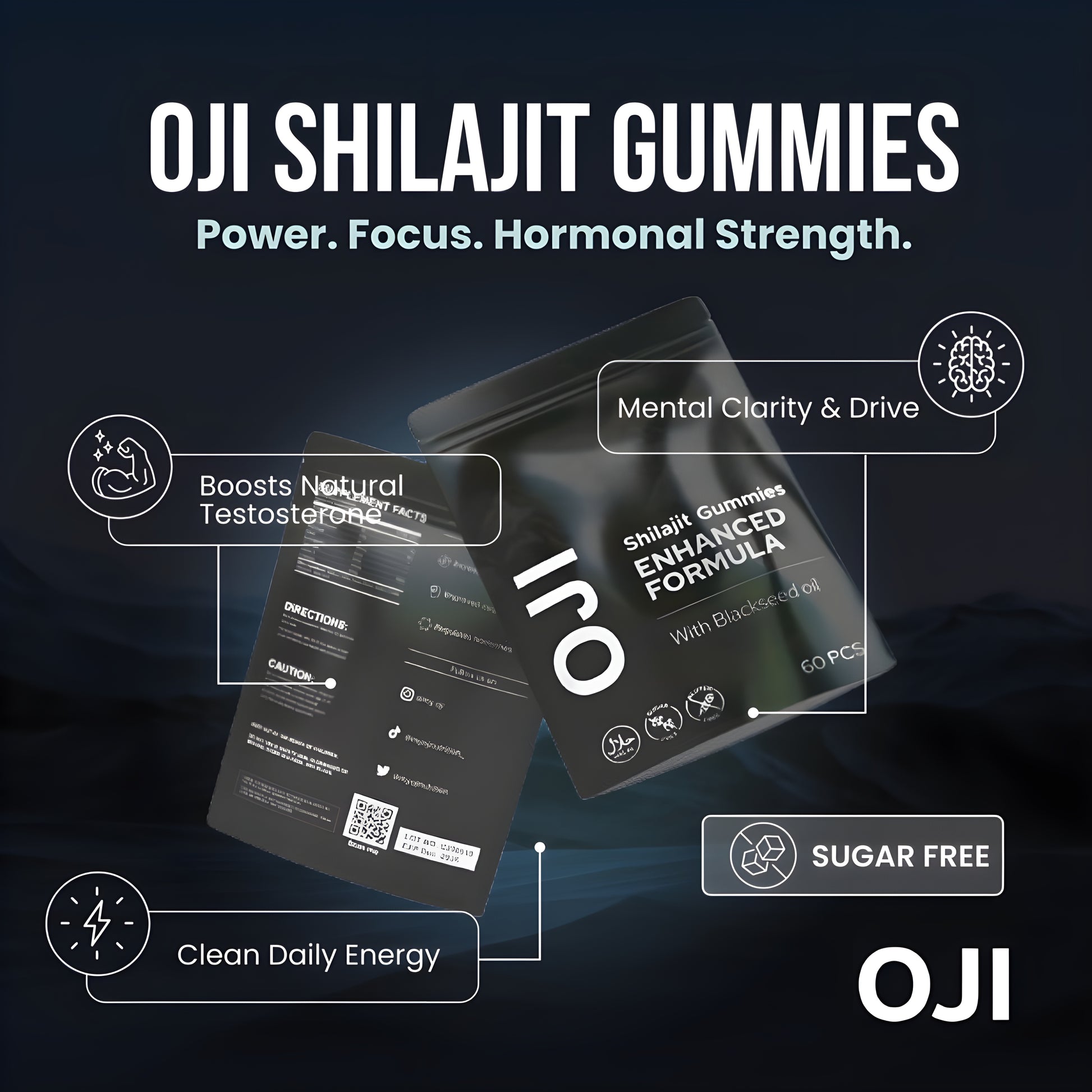
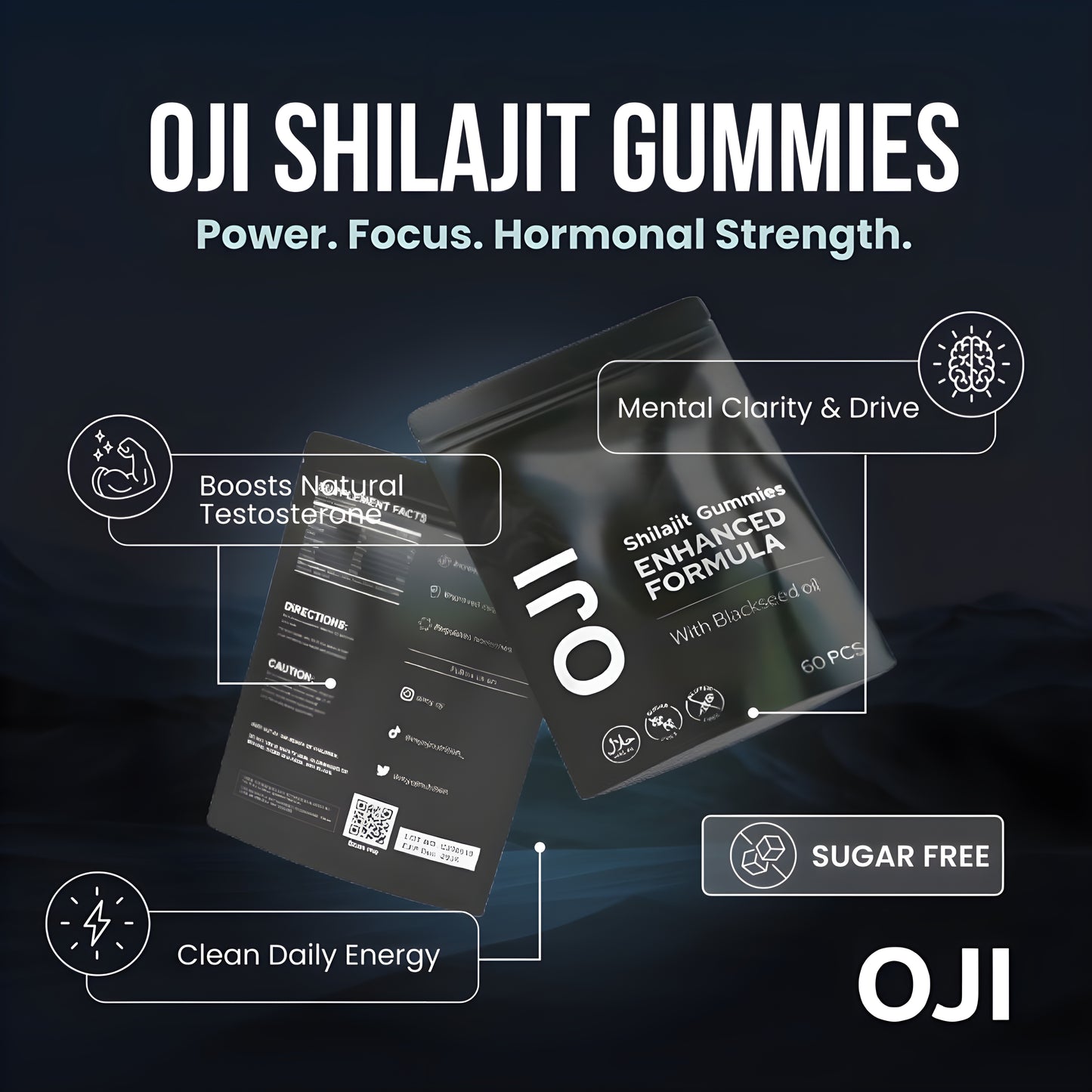
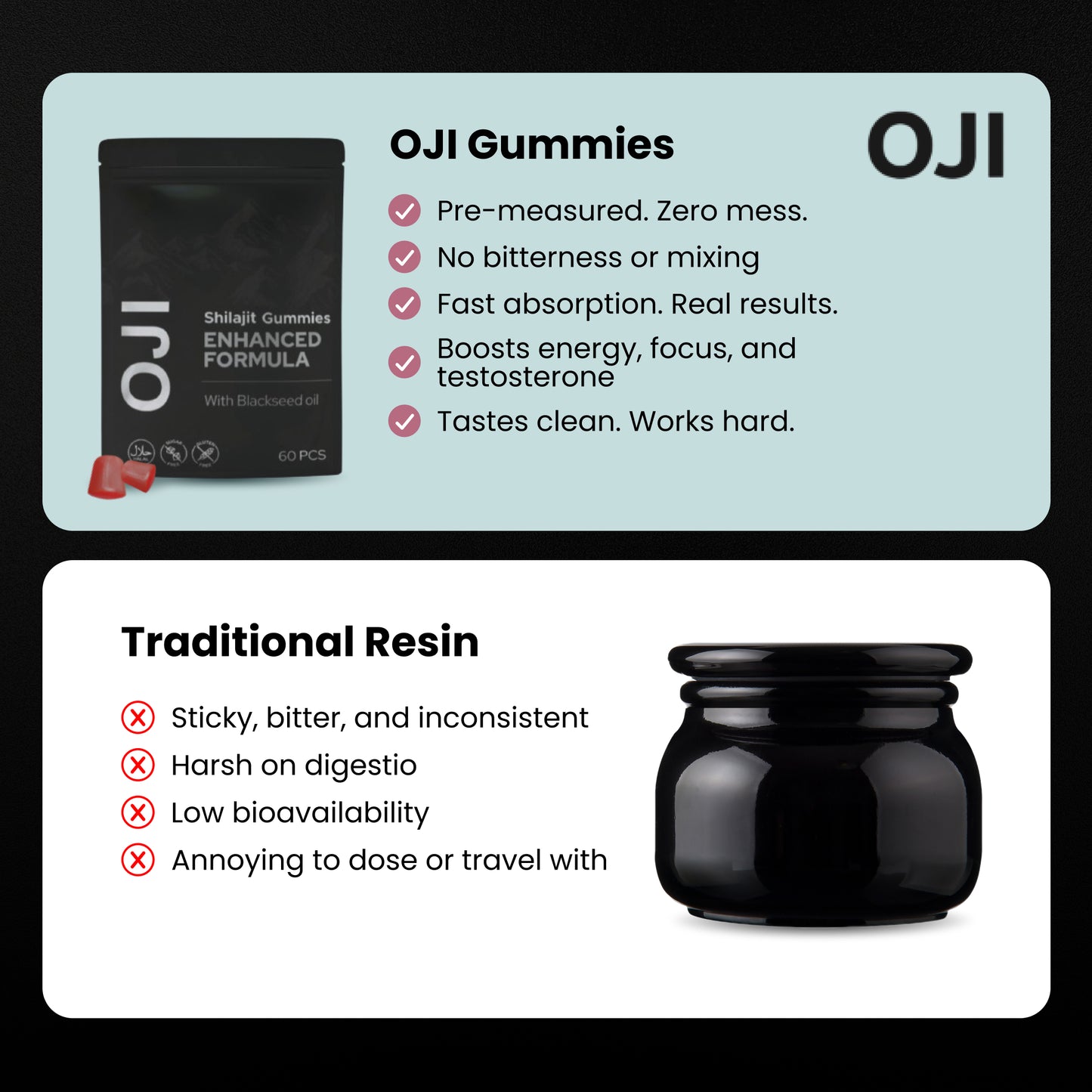
Ready to build your foundation for vitality with a supplement that combines ancient wisdom with modern convenience? Oji Shilajit offers a powerful blend of over 85 trace minerals, fulvic acid, Ashwagandha and Lion's Mane in a simple, effective gummy. Take control of your energy, focus, and hormonal balance today. Visit https://myoji.co.uk to start your journey.