
Feeling tired, moody, or just 'off'? It's a sign your body needs support. To balance hormones naturally, the first step is to recognise your body's signals and take clear, decisive action. These signs are calls for help that you have the power to answer.
What Hormonal Imbalance Really Feels Like
Think of hormones as powerful messengers controlling your metabolism, energy, mood, and sleep. When they work in harmony, you feel energetic and sharp. When even one is slightly off, it impacts your entire well-being.
This isn't just theory; it's a reality for many. More than one in three Britons deal with hormonal imbalance symptoms. Signs like fatigue and mood swings are often dismissed as stress or aging, but they are actionable signals from your body.
Common Signs Your Hormones Are Asking for Help
Hormonal issues show up differently for everyone, but there are common threads. View these symptoms not as separate problems, but as clues telling you what to do next.
Here are the key signals to watch for:
- Persistent Fatigue: If you wake up tired, need caffeine to function, and hit an afternoon slump regardless of sleep, your hormones may be imbalanced.
- Unexplained Weight Changes: Noticing stubborn weight gain (especially around your middle) or losing muscle despite a consistent diet and exercise routine is a classic sign.
- Mood Swings and Irritability: Feeling emotionally fragile, snapping over small things, or battling anxiety and low moods that appear suddenly are strong indicators.
- Brain Fog and Poor Concentration: If you struggle to focus, remember details, or feel mentally sharp, your hormones could be the cause. For a deeper dive, explore the common symptoms of brain fog in our detailed guide.
Beyond the Obvious Symptoms
Hormonal imbalances can also cause adult acne, thinning hair, digestive issues, or a low sex drive. For women, severe PMS or irregular periods are direct signs that oestrogen and progesterone levels may be unstable.
"Recognising these symptoms is the most empowering first step. It shifts the narrative from 'this is just how I am' to 'my body is communicating something important, and I have the power to listen and respond'."
Understanding that these feelings are real, physical signals is crucial. Once you interpret these signs, you can take practical steps to restore balance and reclaim your vitality.
Fuelling Your Body for Hormonal Harmony
Your diet is the most direct tool you have to balance hormones naturally. This isn't about restrictive eating; it’s about making specific food choices to give your body the raw materials it needs to thrive.
The core action is simple: include quality protein, healthy fats, and fibre-rich carbohydrates in every meal. This combination stabilises your blood sugar, preventing the spikes in insulin and cortisol that disrupt your entire system.
Here's an actionable swap: replace morning toast and jam with two scrambled eggs, a handful of spinach, and a slice of wholegrain toast with avocado. This provides a steady release of energy, keeping your hormones calm and you feeling full for hours.
The Building Blocks of Healthy Hormones
Healthy fats are essential for producing hormones like oestrogen and testosterone. Without enough, your body lacks the necessary ingredients, which is why extremely low-fat diets can be counterproductive.
Incorporate these fats with simple additions:
- Avocados: Add half an avocado to your lunch for monounsaturated fats and potassium.
- Oily Fish: Aim for two servings a week of salmon, mackerel, or sardines to get inflammation-reducing omega-3s.
- Nuts and Seeds: Snack on a small handful of walnuts or add a tablespoon of flaxseeds or chia seeds to your breakfast.
Protein is just as critical. It helps control blood sugar and supports the liver in clearing out used hormones. Your action step: include a palm-sized portion of protein with each meal. Great sources are chicken, fish, eggs, lentils, and chickpeas.
Good nutrition provides the essential components for hormone production and regulation. A diet rich in healthy fats, lean proteins, and complex carbohydrates supports the entire endocrine system, from the adrenal glands to the thyroid.
This image offers a quick visual guide to some of the top hormone-friendly foods you can add to your shopping list.
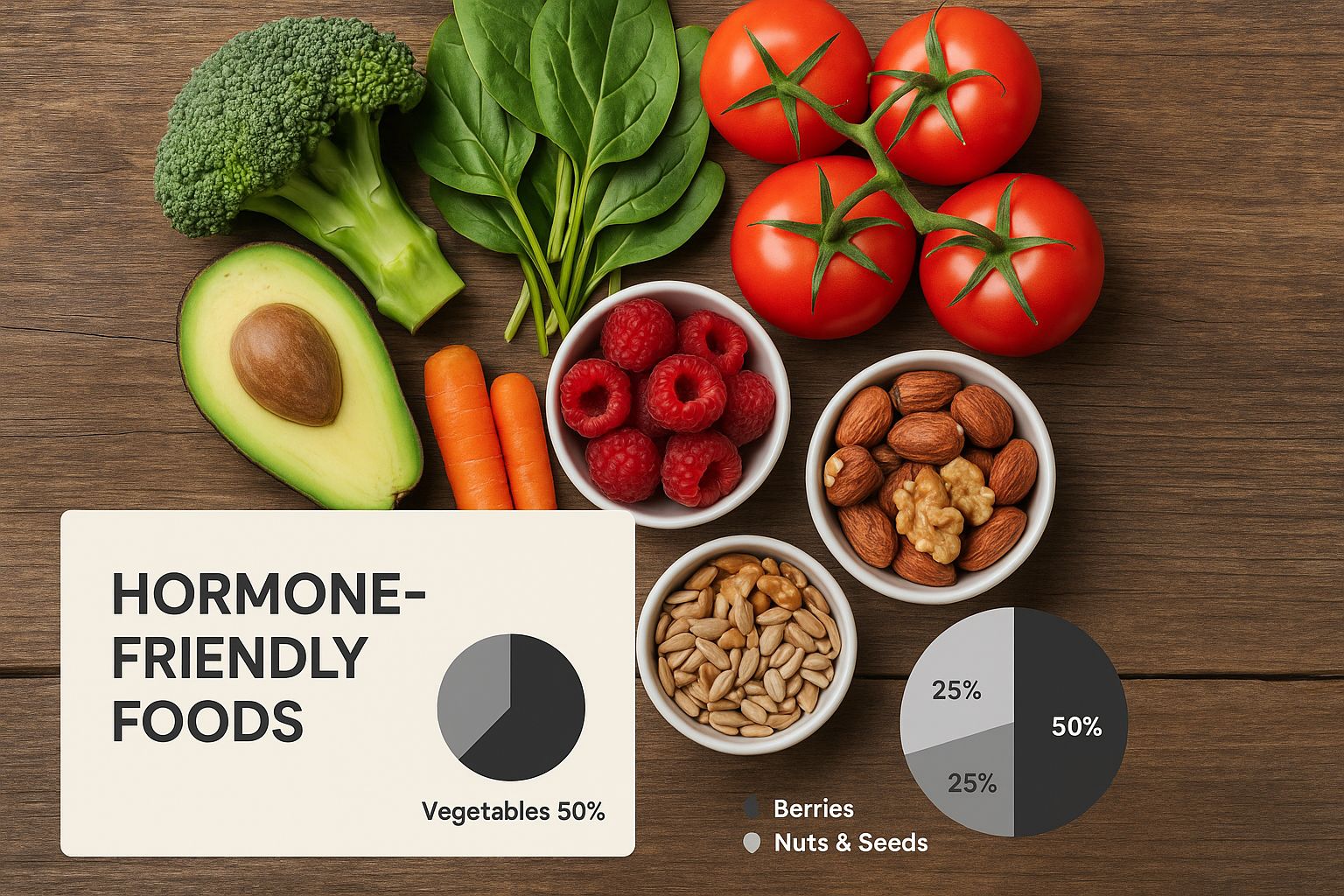
As you can see, it’s all about a colourful variety of whole foods—fresh vegetables, berries, and nuts are the foundation of a diet that helps you balance hormones naturally.
Eat Your Greens and Support Your Liver
Fibre from vegetables plays a key role by binding to excess oestrogen in the gut, helping your body eliminate it. If this process is slow, oestrogen can be reabsorbed, leading to imbalance.
Cruciferous vegetables like broccoli, cauliflower, kale, and Brussels sprouts are superstars. They contain indole-3-carbinol, which helps the liver metabolise oestrogen. A practical tip: roast a large tray of these vegetables at the start of the week to easily add them to your meals.
To get started, make one simple swap each day. Add a handful of spinach to a smoothie or switch your afternoon biscuits for a handful of almonds. These small, consistent actions build momentum and create lasting change.
Key Nutrients for Hormonal Support
Beyond macronutrients, specific vitamins and minerals are essential. A deficiency in any of these can directly impact how you feel.
Here’s an actionable table of key nutrients and where to find them.
Key Nutrients and Foods for Hormone Balance
| Nutrient | Role in Hormonal Health | Excellent Food Sources (UK) |
|---|---|---|
| Magnesium | Helps calm the nervous system, supports sleep, and can ease PMS symptoms by regulating cortisol. | Dark leafy greens (spinach, kale), almonds, dark chocolate, and avocados. |
| B Vitamins | Crucial for energy production and helping the body cope with stress. B6 is particularly important for progesterone production. | Eggs, salmon, beef, legumes (chickpeas, lentils), and nutritional yeast. |
| Zinc | Plays a key role in thyroid function and the production of sex hormones. It's essential for healthy ovulation. | Shellfish (oysters), red meat, pumpkin seeds, and lentils. |
| Selenium | A vital component for converting thyroid hormones into their active form. It also acts as a powerful antioxidant. | Brazil nuts (just 2-3 a day is enough), tuna, sardines, and eggs. |
Ensuring your diet is rich in these nutrients provides a solid foundation for hormonal wellness.
For more targeted advice, our guide on the best vitamins for hormone balance can offer specific support. Your goal is to nourish your body from the inside out, giving it exactly what it needs to find its rhythm.
Mastering Stress, Sleep and Movement
While nutrition provides the building blocks, your daily habits around stress, sleep, and movement are what truly regulate your hormones. Perfecting your diet while ignoring these three pillars can undermine your efforts. To balance hormones naturally, you must adopt an integrated lifestyle approach.
Chronic stress is the single biggest hormonal disruptor. Constant "fight or flight" mode leads to excessive cortisol production. High cortisol suppresses other vital hormones like progesterone, throwing your system out of balance. This makes simple, consistent stress management techniques non-negotiable.

Taming the Cortisol Surge
Managing your stress response is a skill you can build. The goal isn't to eliminate stress, but to shorten its duration and increase your body's recovery time.
Here are three actionable steps you can take today:
- Mindful Morning Routine: Before checking your phone, spend five minutes on deep breathing or meditation. This sets a calmer tone for your entire day.
- Get Outside Daily: A 15-minute walk in a park or green space can significantly lower cortisol levels. Natural light also helps regulate your sleep-wake cycle.
- Schedule Downtime: Block out time in your calendar for non-productive enjoyment. Read a book, listen to music, or do anything that helps you switch off.
For more techniques, review our guide on how to lower cortisol levels naturally.
Prioritise Restorative Sleep
Sleep is your body's prime time for hormonal repair. During sleep, you produce growth hormone, regulate hunger hormones (ghrelin and leptin), and reset your cortisol rhythm. Regularly getting less than seven hours of quality sleep can lead to insulin resistance and hormonal chaos.
"Think of sleep as the ultimate hormonal reset button. Without it, you're starting each day at a disadvantage, forcing your body to play catch-up in a state of stress."
Your action step: Create a simple wind-down ritual an hour before bed. Dim the lights, put away screens, and drink a calming chamomile tea. This signals to your brain that it's time to produce melatonin, the sleep hormone.
Move Your Body Intelligently
Exercise is excellent for hormonal health, but the type of movement is crucial. Intense, gruelling cardio can sometimes raise cortisol, adding more stress to an already tired system. A balanced approach is more effective for hormonal harmony.
Here’s a practical weekly exercise plan:
- Strength Training (2-3 times per week): Lift weights or perform bodyweight exercises to build muscle and improve insulin sensitivity.
- Gentle Cardio (2-3 times per week): Choose brisk walking, cycling, or swimming to elevate your heart rate without spiking cortisol.
- Restorative Practices (1-2 times per week): Incorporate yoga, Pilates, or simple stretching to lower stress and improve flexibility.
By mastering these three pillars—managing stress, protecting your sleep, and moving intelligently—you create a powerful foundation for your hormones to find their natural, healthy rhythm.
Building a Hormone-Friendly Home
Balancing your hormones naturally extends beyond diet and exercise into your home environment. Many everyday products contain endocrine-disrupting chemicals (EDCs) that can throw your system off balance.
Creating a hormone-supportive home isn’t about a massive overhaul. It's about making small, conscious swaps to lower your body's toxic burden. Focus on a few key areas to make a significant difference without feeling overwhelmed. The main offenders are chemicals like BPA, phthalates, and parabens found in plastics, personal care products, and cleaners.
Purging Plastics from Your Kitchen
Your kitchen is the most impactful place to start, especially regarding food storage and heating. Plastics can leach chemicals like BPA and phthalates into your food, particularly when heated.
Take these simple, budget-friendly actions:
- Food Storage: Replace plastic tubs with glass, stainless steel, or silicone containers. Use old jam jars for leftovers and dry goods.
- Water Bottles: Switch from single-use plastic to a reusable stainless steel or glass bottle.
- Cooking Utensils: Swap plastic spatulas and spoons for wood, bamboo, or stainless steel alternatives, especially for use in hot pans.
Your one golden rule: never microwave food in plastic. Always transfer it to a ceramic or glass plate first. This single habit drastically reduces your exposure to leached chemicals.
Detoxifying Your Personal Care Routine
Your skin absorbs what you put on it. Many conventional lotions, shampoos, and makeup products contain parabens and phthalates (often listed as "fragrance" or "parfum"), which are known EDCs.
Taking a moment to read the labels on your personal care products is a powerful act of self-care. Choosing simpler, fragrance-free options is one of the easiest ways to lighten your body's chemical load and support its natural hormonal rhythm.
Your action step: Check the ingredient lists of your daily products. If you see "fragrance," "parfum," or any word ending in "-paraben," look for a cleaner alternative. Brands that are transparent about their ingredients are a safer choice.
Choosing Safer Household Cleaners
Harsh cleaning chemicals add to your toxic load through inhalation and skin contact. Fortunately, you don't need aggressive chemicals for a clean home.
Use these simple, non-toxic alternatives:
- All-Purpose Cleaner: Mix equal parts white vinegar and water in a spray bottle for countertops, sinks, and windows.
- Scrubbing Paste: Create a paste with bicarbonate of soda and a little water for tougher grime.
- Air Fresheners: Replace synthetic sprays with an essential oil diffuser or by simply opening a window.
By making these conscious choices, you transform your home into a sanctuary that actively helps you balance your hormones naturally. Every swap is a step towards a healthier environment.
When and How to Seek Professional Support
While lifestyle changes are powerful tools to balance hormones naturally, they aren't always enough. If you’ve been consistent with your efforts but still feel something is wrong, it's time to seek professional help. This is a proactive step toward getting the clarity and targeted support you deserve.
Persistent symptoms like deep fatigue, unexplained weight changes, severe mood swings, or an erratic menstrual cycle are clear signals that a deeper investigation is necessary. Knowing how to advocate for yourself in the healthcare system is a crucial skill.
Preparing for a Productive GP Visit
Your GP is the first port of call. A productive conversation starts with preparation. Instead of saying you feel "off," go in with specific, documented information to give your doctor a clear picture of your daily experience.
Your most valuable tool is symptom tracking. For at least a month before your appointment, keep a simple daily diary.
Log these details in a notebook or app:
- Energy Levels: Note the times of day you feel a slump or have energy.
- Mood Fluctuations: Record feelings of anxiety, irritability, or low mood.
- Physical Symptoms: Track bloating, headaches, skin breakouts, and sleep quality.
- Menstrual Cycle: Detailed logging of your cycle is crucial for identifying patterns.
This record transforms vague complaints into concrete data, making it easier for your GP to determine the next steps.
Understanding Key Hormone Tests
If your GP agrees to an investigation, they may suggest blood tests. A comprehensive hormone panel provides invaluable insights. Knowing what to ask for is helpful.
Common and useful blood tests include:
- Thyroid Panel: Checks TSH, Free T4, and Free T3, which regulate your metabolism.
- Reproductive Hormones: Tests for oestrogen, progesterone, FSH, LH, and testosterone can reveal imbalances affecting your cycle and mood.
- Cortisol Levels: Saliva or blood tests can show how your body is managing stress.
- Key Nutrients: Deficiencies in vitamin D, B12, iron, and magnesium can mimic hormonal symptoms, so checking these is a smart first step.
Remember, you have the right to ask questions about your health. A good healthcare partner will listen to your concerns, take your tracked symptoms seriously, and work with you to find answers.
Navigating a System with Historical Gaps
It’s important to acknowledge potential challenges within healthcare, especially concerning women's health. Research into female hormonal health has been historically under-funded, with women excluded from about two-thirds of medical trials. This has led to medical practices often based on male physiology, which can result in women's health issues being misunderstood. You can find more insights on this hormonal wellness initiative on globalwellnessinstitute.org.
This reality makes self-advocacy vital. If you feel dismissed, don't be discouraged. Your action plan: ask for a second opinion or seek a practitioner specialising in hormonal health or functional medicine. The rise of FemTech apps and online resources provides more tools than ever. Feeling empowered means having the confidence to ask questions, find a supportive healthcare partner, and persist until you feel well again.
Got Questions About Balancing Your Hormones?
When you start taking action to balance your hormones naturally, questions are normal. Here are clear, straightforward answers to the most common ones, helping you feel confident on your journey.
This is your quick guide to clearing up any confusion, from how long it really takes to see results to whether you must give up coffee.
Let's address the questions on your mind.
How Long Does It Really Take to See Results?
This is the most common question, and the answer is: it varies for everyone. Your body is unique, and your timeline will be too.
However, you can expect to notice small, encouraging shifts within the first few weeks of consistent action. This might look like more afternoon energy, less irritability, or deeper sleep. These are the first signs your body is responding.
For more significant, lasting results, plan for a longer timeframe. It generally takes a dedicated three to six months for your body to establish a new rhythm, replenish nutrient stores, and stabilise hormone production.
"Patience is your best friend here. You're not looking for a quick fix; you're gently guiding your body back to its natural state of harmony, and that process takes time."
Which Supplements Are Actually Worth It?
Supplements can provide excellent support, but they are not a substitute for a foundation of good nutrition and a healthy lifestyle. Always consult a healthcare professional before starting new supplements to ensure they are right for your specific needs.
Here are a few with a strong track record for hormonal support:
- Magnesium: An essential mineral for calming the nervous system, managing stress, and improving sleep quality. Many people in the UK are deficient.
- B Vitamins: These act as spark plugs for your energy production and help your body cope with stress. Vitamin B6 is particularly important for healthy progesterone levels.
- Omega-3 Fatty Acids: Sourced from fish oil or algae, these fats are the literal building blocks for hormones and are excellent for reducing inflammation.
- Adaptogens: Herbs like Ashwagandha are game-changers for helping your body adapt to stress and regulating cortisol levels.
Do I Have to Give Up Coffee and Wine Completely?
Many people worry about this, but you probably don't need to take such an extreme approach. The goal is mindfulness and balance, not rigid rules.
Excessive caffeine can spike cortisol and disrupt sleep, while alcohol strains your liver—the organ responsible for processing and clearing out used hormones like oestrogen.
Instead of a total ban, adopt a 'less is more' strategy. Your action step: swap one of your daily coffees for a green tea, which contains L-theanine for a smoother caffeine effect. For alcohol, reframe it as an occasional treat rather than a daily habit. The most important action is to listen to your body; you might be surprised by how much better you feel by simply cutting back.
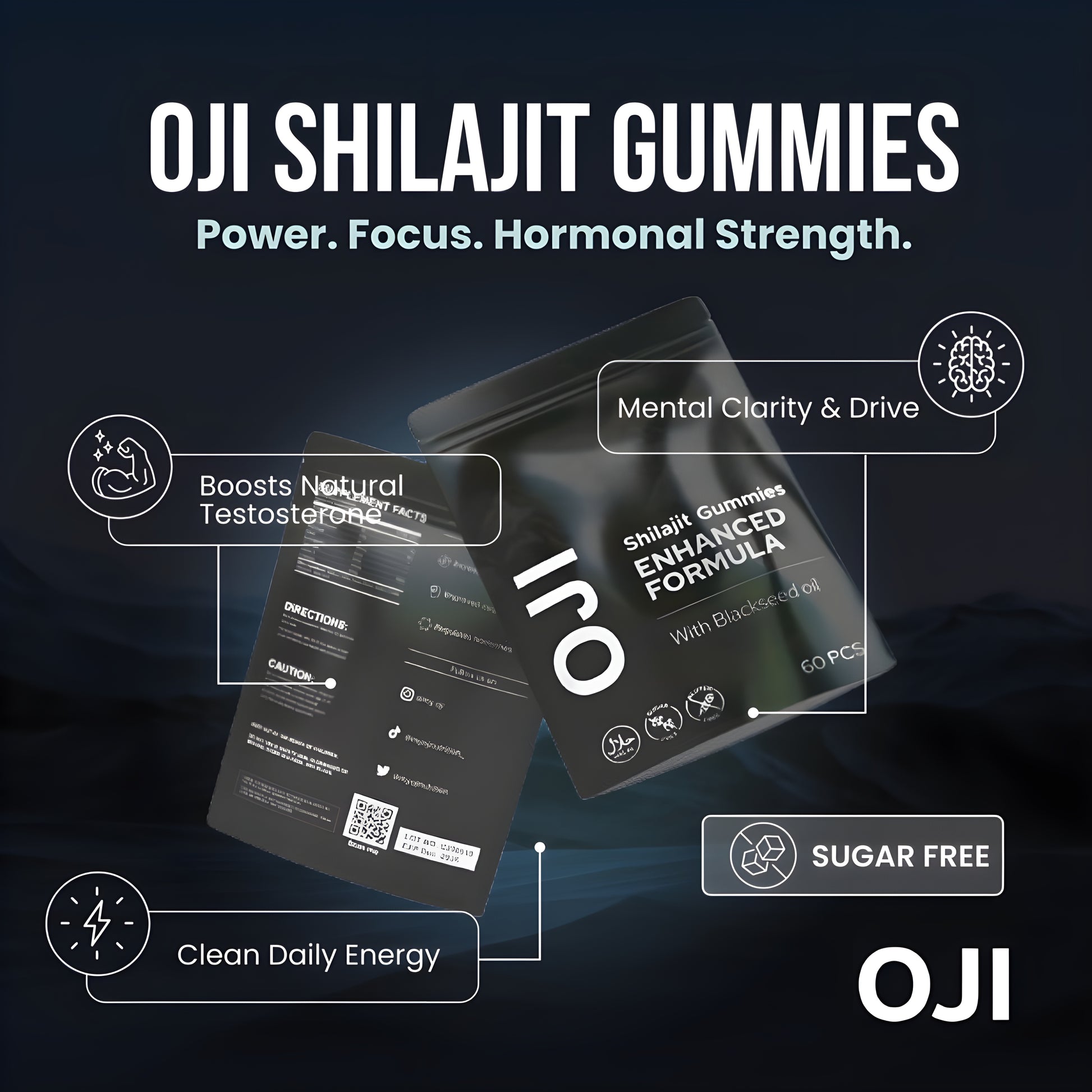
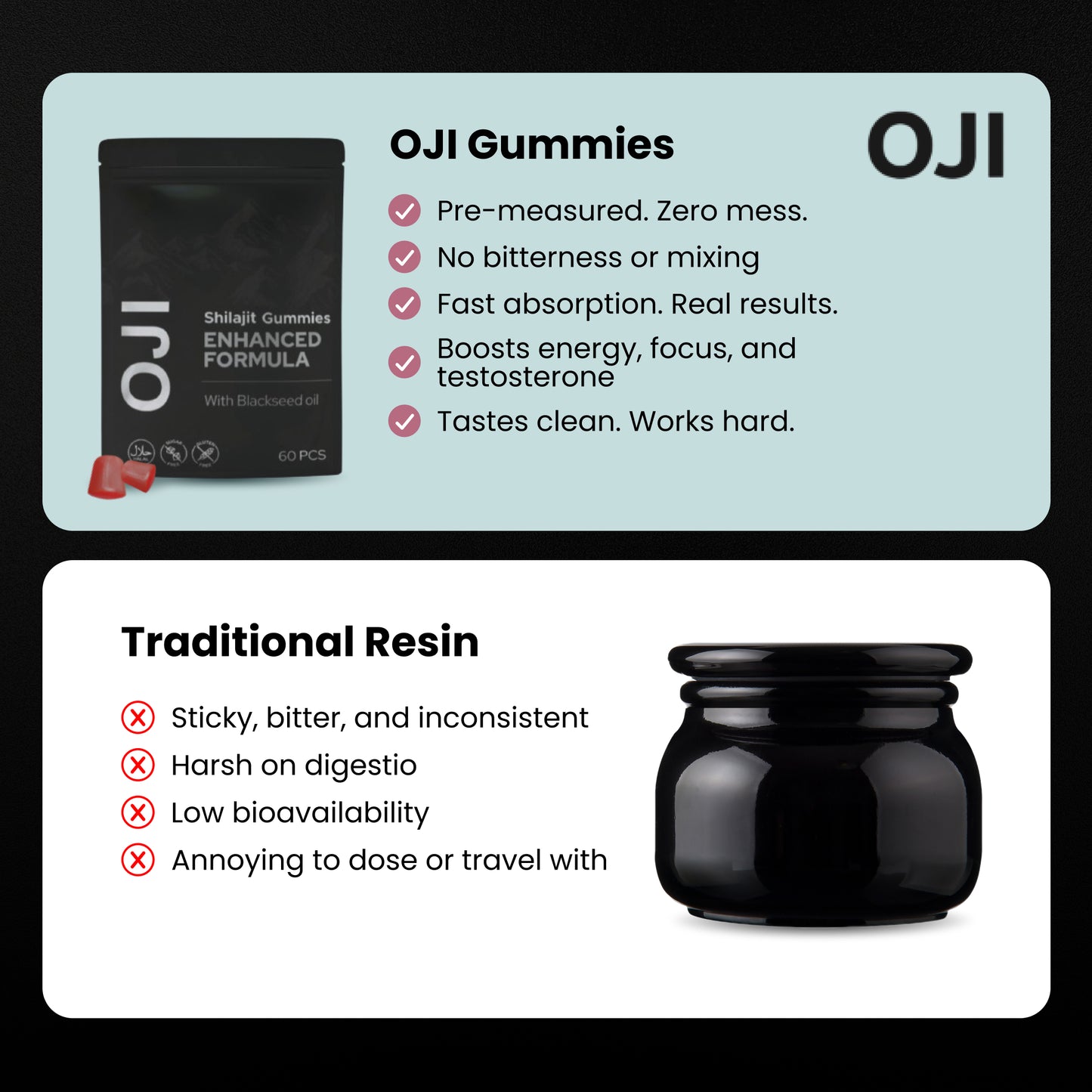
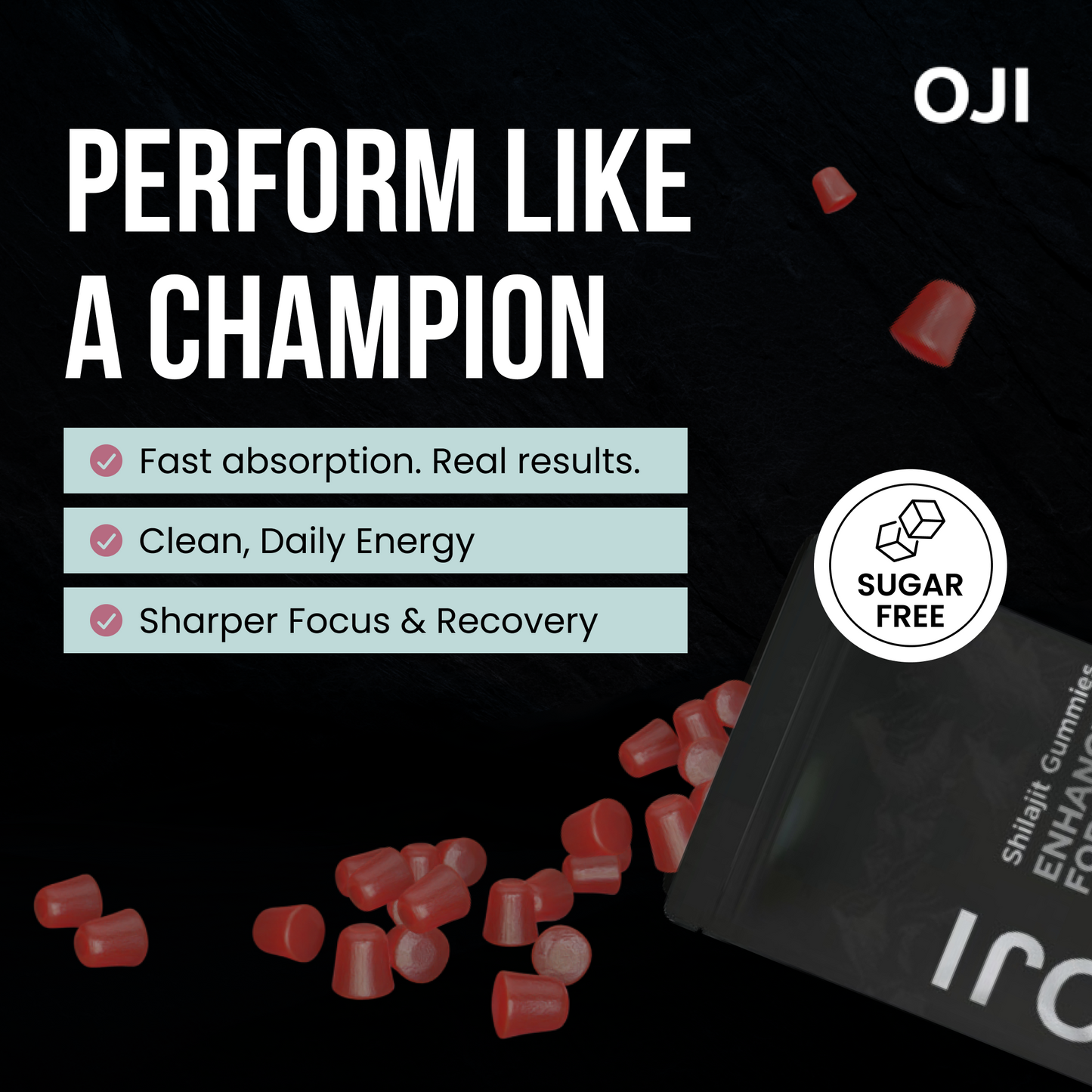
At Oji Shilajit, we understand that getting your body back to its natural, vital state is a journey. Our enhanced Shilajit gummies are designed to help you along the way, replenishing the essential minerals and adaptogens that modern life often drains from us. If you're looking for a simple, effective way to support your energy, mental clarity, and hormonal well-being, see what a difference they can make. Explore Oji Shilajit and begin your path to renewed vitality today.